Omanghana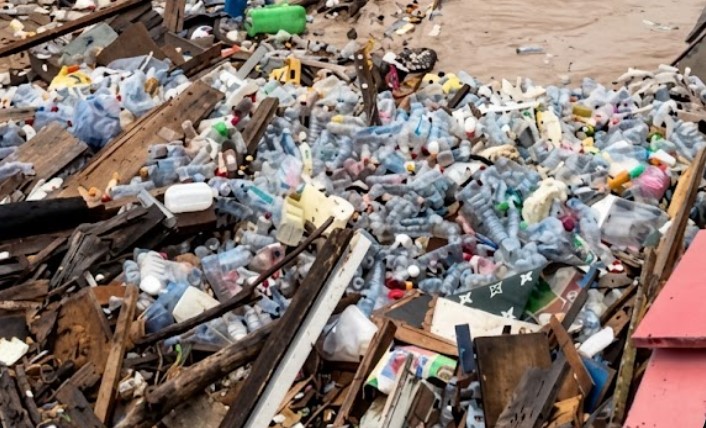
The Accra Metropolitan Assembly (AMA) has strongly rejected public claims that its waste management systems have failed, insisting instead that its continuous operations are preventing what it describes as a potential environmental collapse in the capital.
The response comes in the aftermath of severe public criticism following the devastating June 29, 2026 floods, which left large parts of Accra inundated and reignited concerns about drainage systems, sanitation, and urban waste management.
AMA Says Continuous Operations Are Preventing “Total Inundation”
Officials from the Assembly argue that far from failing, their waste management teams are operating under extreme pressure to prevent the city from being overwhelmed by refuse and floodwaters.
According to Deputy Director of Waste Management Victor Kotey, the city generates enormous volumes of daily waste, and without constant collection and disposal efforts, Accra would quickly become unmanageable.
The AMA maintains that its ongoing interventions remain the primary barrier preventing widespread environmental breakdown.
Residents Blamed for Drain Blockage and Illegal Dumping
The Assembly has also pointed to public behavior as a major contributing factor to the flooding crisis.
Officials say some residents engage in indiscriminate dumping of refuse into open drains, particularly during rainfall, in an attempt to avoid collection fees. This, they argue, directly blocks waterways and worsens flooding across the city.
Public Health Director Florence Kuukyi emphasized that these practices significantly undermine drainage efforts, stressing that sanitation challenges cannot be addressed by government agencies alone without behavioral change from households and businesses.
Infrastructure Gaps Complicate Waste Disposal
Beyond public behavior, the AMA has highlighted structural challenges within Accra’s waste management system.
Officials argue that the absence of sufficient engineered landfill sites continues to strain operations. With limited disposal infrastructure, waste collection trucks often face delays in offloading, creating logistical bottlenecks that reduce overall efficiency.
Ms. Kuukyi noted that without sustained government investment in modern waste processing and disposal facilities, the system will continue to face pressure regardless of operational effort.
Emergency Response Measures Introduced
In response to the flooding crisis and rising public concern, the AMA has rolled out a series of emergency interventions aimed at improving sanitation and reducing environmental risks.
One-Month Free Waste Collection
The Assembly has announced a one-month free refuse collection programme for selected flood-affected communities. The initiative is intended to encourage proper waste disposal and reduce illegal dumping during the recovery period.
Metro-Wide Cleanup and Desilting Exercise
A large-scale sanitation operation began on July 2, 2026, targeting major drainage choke points across Accra.
Key areas include:
- Ashiedu Keteke
- Ablekuma South
- Okaikoi South
The week-long exercise involves desilting drains, removing debris, and clearing waste buildup to improve water flow ahead of future rainfall.
Incentives for Reporting Illegal Dumping
Mayor Michael Kpakpo Allotey has also introduced a community enforcement initiative offering a GH¢200 reward for residents who provide photographic evidence of illegal dumping.
The programme is designed to strengthen civic participation in sanitation enforcement and discourage environmental violations.
Balancing Accountability and Urban Pressure
While the AMA continues to defend its operational efforts, public debate remains divided over the root causes of Accra’s flooding challenges.
The Assembly insists it is operating within severe infrastructure and behavioral constraints, while critics argue that more aggressive long-term planning is needed to address recurring urban flooding.
As cleanup efforts continue, attention is expected to shift toward broader questions of drainage modernization, waste infrastructure investment, and sustainable urban management in Ghana’s capital.
Source: Omanghana