Omanghana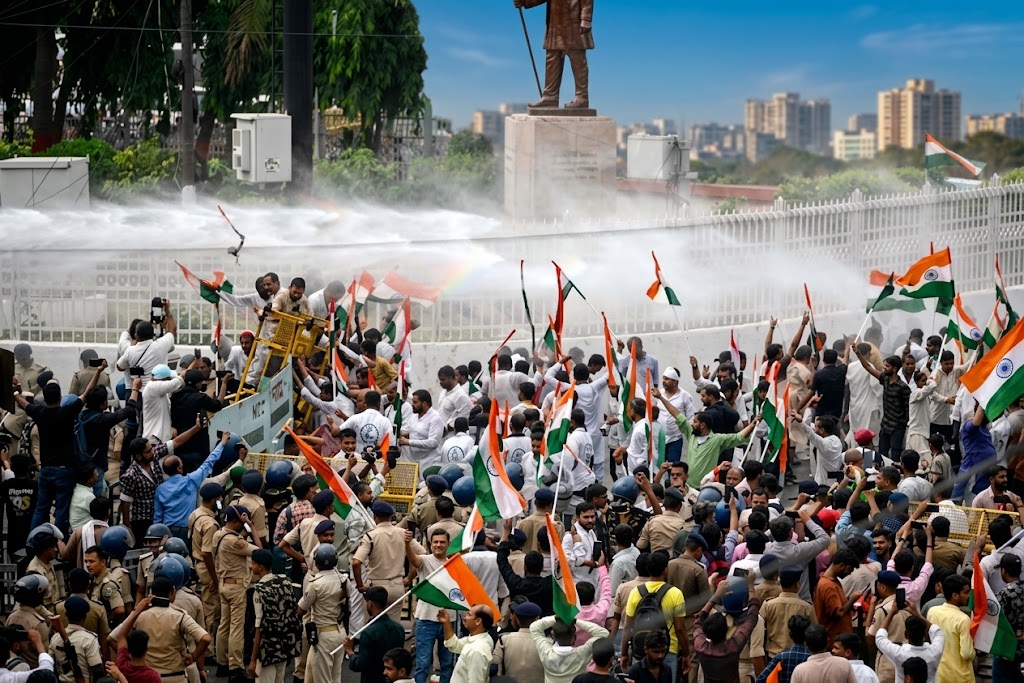
Amnesty International has accused Indian law-enforcement agencies of using unlawful, excessive and potentially lethal force to suppress youth- and student-led demonstrations in New Delhi and Bihar.
In an investigative report, the human rights organisation said its Evidence Lab analysed videos, photographs and witness accounts that documented the use of pellet-firing shotguns, tear gas launchers, stun grenades, batons commonly known as lathis and direct-contact electric shock devices against protesters.
The demonstrations were sparked by growing public anger over alleged examination leaks and other irregularities, including controversy surrounding the NET-UG examination. The unrest later led to large “Chalo Sansad” marches towards Parliament as students demanded transparency, accountability and reforms to India’s examination system.
According to Amnesty, some of the weapons used during the demonstrations carried a serious risk of causing permanent injury or death, particularly when fired at close range or directed at sensitive parts of the body.
The organisation said footage from central Delhi appeared to show Rapid Action Force personnel firing shotguns directly into crowds from a short distance. It argued that the manner in which the weapons were deployed violated accepted crowd-control procedures.
Another video reportedly recorded in Siwan, Bihar, showed an officer firing an assault rifle in the direction of demonstrators. Amnesty described the incident as especially alarming because firearms should only be used when there is an imminent threat of death or serious injury.
Investigators also identified what they described as the improper use of tear gas. Rather than launching canisters at a high angle to disperse crowds, officers were allegedly seen firing them horizontally towards groups of people.
Directly firing tear gas canisters at individuals can cause severe injuries because the projectiles travel at high speed and are not designed to strike the human body.
The report further documented cases in which officers allegedly beat peaceful demonstrators with lathis, including people who appeared to offer no physical resistance. Amnesty said some strikes were delivered indiscriminately as protesters attempted to retreat or protect themselves.
The human rights organisation maintained that even when some members of a crowd engage in violence, security personnel must distinguish between violent individuals, peaceful protesters and bystanders. Force, it argued, must remain necessary, proportionate and directed only at those posing an immediate threat.
Delhi Police and other security authorities have rejected allegations that their response was indiscriminate. In submissions made before India’s Supreme Court, the police reportedly described their actions as professional and maintained that force was used only after individuals within the demonstrations became violent.
Authorities alleged that “anti-social elements” had infiltrated the protests, damaged property and injured members of the security services. They argued that crowd-control measures were necessary to restore order and protect the public.
Amnesty, however, said the reported presence of violent individuals did not justify using potentially lethal or indiscriminate force against entire crowds.
The organisation also raised concerns about the absence of meaningful disciplinary or judicial action against officers implicated in the incidents. It said failure to conduct independent investigations could encourage further abuses and weaken public confidence in law enforcement.
According to Amnesty, the documented tactics may have breached Indian policing rules as well as United Nations standards governing the use of force and less-lethal weapons during public assemblies.
International human rights principles require authorities to facilitate peaceful protests and use dialogue, warnings and de-escalation measures before resorting to force. When force becomes unavoidable, it must be limited to the minimum necessary to achieve a lawful objective.
Amnesty has called for prompt, independent and transparent investigations into the conduct of officers involved in the New Delhi and Bihar operations. It also wants those found responsible for unlawful violence to face appropriate disciplinary or criminal proceedings.
The organisation further urged Indian authorities to review crowd-control training, restrict weapons capable of causing indiscriminate harm and ensure that medical assistance is immediately available to people injured during demonstrations.
The report adds to growing concerns about the treatment of student protesters in India and the government’s responsibility to protect both public safety and the constitutional right to peaceful assembly.
Source: Omanghana