Omanghana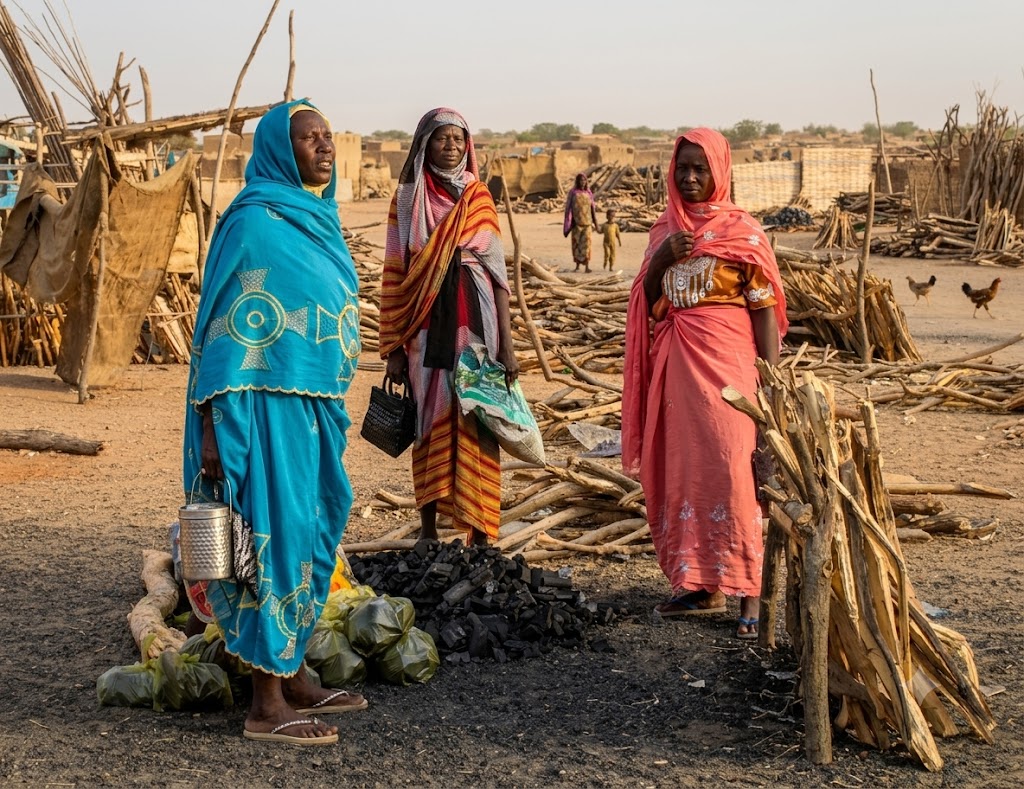
Amnesty International has accused Sudan’s Rapid Support Forces (RSF) of committing widespread war crimes, crimes against humanity, and ethnic cleansing during the prolonged siege and eventual capture of El Fasher, the capital of North Darfur.
The allegations are detailed in a report released on July 1, 2026, titled “City Under Siege, Children Under Fire: Rapid Support Forces’ Crimes Against Humanity in North Darfur.” The report documents alleged abuses committed between early 2024 and the fall of El Fasher to RSF forces in October 2025.
Investigation Documents Extensive Abuses
According to Amnesty International, the findings are based on an eight-month investigation that included 247 interviews with survivors, witnesses, and other sources, as well as the verification of leaked videos and other evidence.
The organization alleges that civilians were subjected to a systematic campaign of violence during the siege and final assault on the city.
Alleged Mass Killings During Final Offensive
Amnesty International states that when RSF forces launched their final offensive on October 26, 2025, civilians attempting to flee El Fasher through escape routes near a network of defensive dirt berms were attacked.
The report says investigators verified 19 videos that allegedly show the mass execution of civilians at these locations during the final stages of the assault.
Claims of Ethnic Targeting
The human rights organization also alleges that RSF fighters deliberately targeted predominantly non-Arab communities, particularly members of the Zaghawa ethnic group.
According to the report, investigators documented incidents in which villages were looted and burned, while victims were allegedly subjected to racial abuse during the attacks.
Children and Women Among the Victims
Amnesty International alleges that children were intentionally targeted during the conflict, with documented cases involving executions, abductions, sexual violence, and forced recruitment into armed groups.
The report also accuses RSF fighters of committing widespread sexual violence against women and girls, including gang rape and prolonged sexual enslavement in areas under their control.
Attacks on Medical Facilities and Humanitarian Blockade
Among the report’s findings are allegations that the RSF attacked the Saudi Maternity Hospital in El Fasher, despite its protected status under international humanitarian law.
Amnesty International further claims that the armed group deliberately obstructed the delivery of food, medicine, and humanitarian assistance throughout the siege, contributing to severe famine conditions that left many residents struggling to survive.
Senior Commanders Named in Report
The report identifies three senior RSF commanders whom Amnesty International alleges bear responsibility for serious violations of international law:
- Al-Fateh Abdullah Idris, also known as “Abu Lulu,” is accused of personally participating in the execution of civilians during the assault on El Fasher.
- Major General Gedo Hamdan Ahmed Mohamed, known as “Abu Shouk,” is alleged to have overseen torture and abusive interrogations at the Mina al-Bari detention facility.
- Lieutenant Colonel Abbas Khater Bakhit is accused of ordering the physical abuse of detainees and facilitating financial transactions linked to hostage ransom payments.
The RSF has previously denied allegations of widespread abuses during the conflict. The organization has not publicly responded to the specific findings contained in Amnesty International’s latest report.
Amnesty Calls for International Action
Reacting to the report, Amnesty International Secretary General Agnès Callamard described the alleged atrocities as “a stain on the conscience of humanity” and characterized the conflict as a deliberate campaign against civilians.
The organization is urging the United Nations Security Council to press for an immediate nationwide ceasefire in Sudan and to consider deploying an independent international protection force to help safeguard civilians and prevent further violence.
The report adds to growing international concern over the humanitarian crisis in Sudan, where the conflict has displaced millions of people and continues to fuel one of the world’s most severe humanitarian emergencies.
Source: Omanghana