Omanghana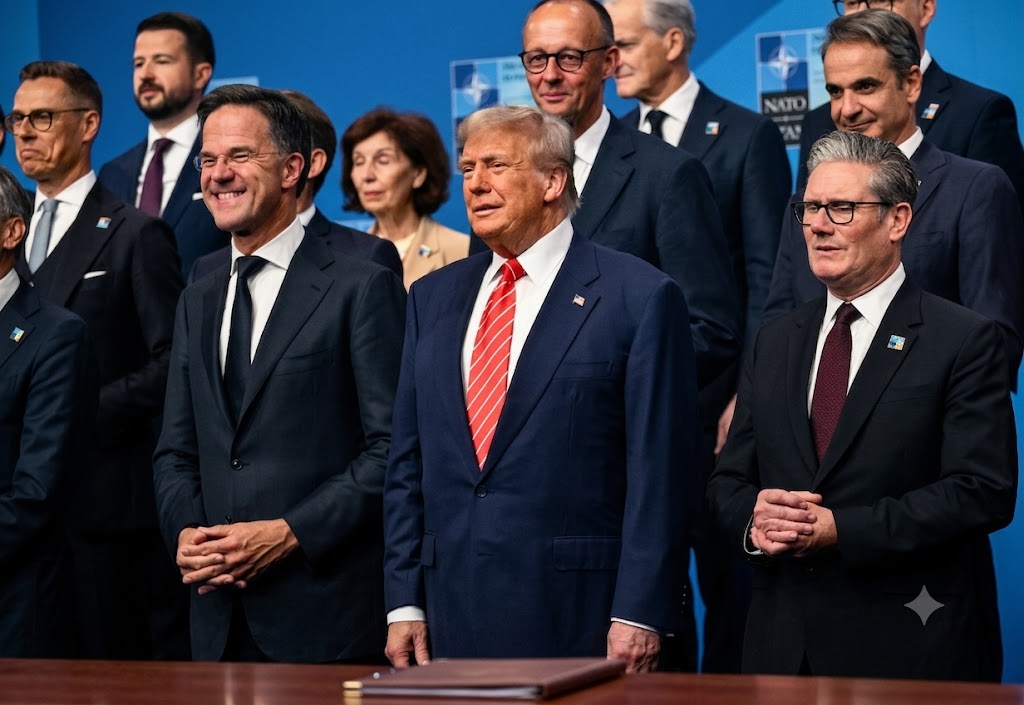
The upcoming NATO Summit in Ankara, Türkiye, scheduled for July 7–8, 2026, is expected to be a defining moment for the alliance as European members face mounting pressure to strengthen their own defense capabilities amid a major shift in U.S. security policy.
With the United States moving beyond traditional “burden-sharing” toward what officials describe as “burden-shifting,” European allies are being urged to assume greater responsibility for defending the continent as Washington reassesses its long-term military commitments in Europe.
U.S. Signals New Direction
Under the administration of President Donald Trump and Defense Secretary Pete Hegseth, the United States is pursuing a strategy aimed at reducing its military footprint in Europe while encouraging NATO allies to invest more heavily in their own defense.
As part of this approach, Washington has launched a six-month review of its military posture that could lead to a reduction in the approximately 80,000 U.S. troops permanently stationed across Europe, along with potential adjustments to deployments of fighter aircraft, drones, naval assets, and other military capabilities.
The review reflects a broader effort to shift greater security responsibilities to European allies.
Focus on the 5% Defense Spending Goal
One of the key issues expected to dominate the Ankara summit is NATO’s ambitious defense spending target.
Following agreements reached at last year’s summit in The Hague, member states are being assessed on a goal of allocating 5% of gross domestic product (GDP) to defense-related priorities.
The target is divided into:
- 3.5% of GDP for core military spending, including personnel, equipment, and operational readiness.
- 1.5% of GDP for defense innovation, industrial capacity, infrastructure, and cybersecurity.
U.S. Ambassador to NATO Matthew Whitaker has called on countries that remain below the target to accelerate their efforts, while highlighting Poland, Germany, the Baltic nations, and the Nordic countries as examples of allies making significant progress.
Europe Accelerates Rearmament
As the United States considers scaling back its military presence, European governments are working to expand domestic defense production and reduce reliance on foreign suppliers.
A central element of that effort is the European Union’s Security Action for Europe (SAFE) program, an initiative valued at €800 billion that seeks to strengthen Europe’s defense industrial base through joint procurement, expanded manufacturing capacity, and increased investment in strategic technologies.
The program aims to boost the continent’s ability to produce military equipment while reducing dependence on American defense systems.
Challenges Remain
Although European countries have collectively increased defense spending by roughly 20% over the past year, analysts caution that the region still faces significant industrial constraints.
Limited manufacturing capacity, supply chain bottlenecks, and shortages in critical defense production remain major obstacles to rapidly expanding military capabilities.
Another issue expected to receive attention during the NATO Summit Defense Industry Forum in Ankara is the readiness of Europe’s technology sector. Experts note that while the continent possesses advanced artificial intelligence and digital infrastructure, much of it has been developed for commercial applications rather than military operations.
Unity Expected Despite Global Tensions
The Ankara summit comes against the backdrop of heightened geopolitical uncertainty, including ongoing instability in the Middle East and broader debates over NATO’s future strategic direction.
Despite differing national priorities and policy disagreements, alliance leaders are expected to emphasize unity and reaffirm their collective commitment to strengthening NATO’s deterrence and defense capabilities.
The decisions reached during the two-day meeting could shape the future of transatlantic security cooperation and determine how quickly Europe can build the military capacity needed to assume a larger role in safeguarding its own defense.
Source: Omanghana