Omanghana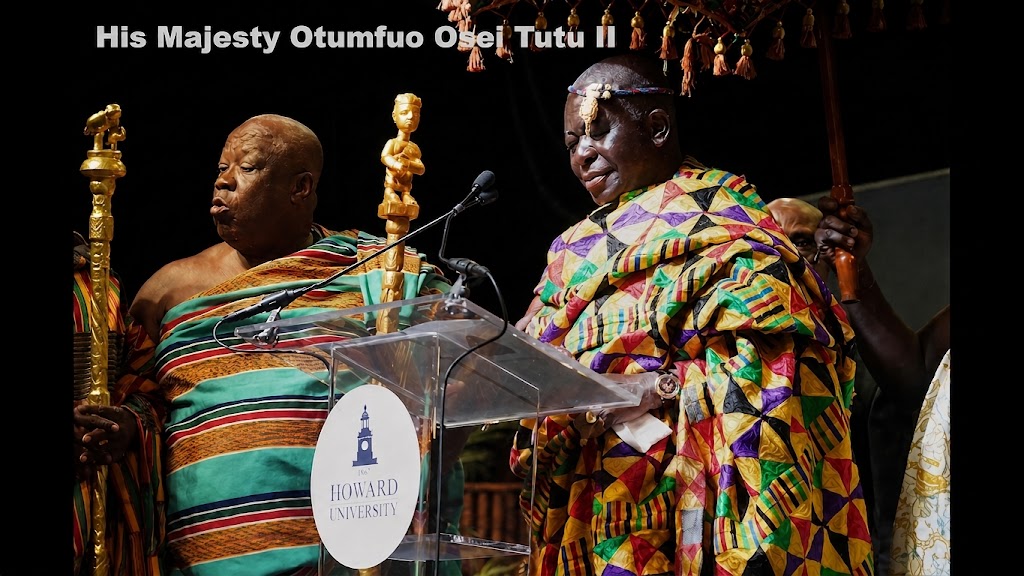
The Asantehene, Otumfuo Osei Tutu II, has urged traditional rulers to move beyond ceremonial responsibilities and become active partners in addressing the social and economic challenges confronting their communities.
He made the call during a public lecture at Howard University in Washington, D.C., attended by faculty members, students, diplomats and representatives of the African diaspora.
The Millennium Excellence Foundation sponsored the engagement as part of the Asantehene’s working visit to the United States ahead of the Akwasidae Kese celebration in Maryland.
In his address, Otumfuo Osei Tutu II said contemporary chieftaincy must be measured by its contribution to development rather than titles, privileges and ceremonial appearances.
He identified youth unemployment, unequal access to education, environmental degradation and public health emergencies as areas in which traditional leaders could provide practical leadership.
According to the Asantehene, chiefs remain close to their communities and are therefore well positioned to mobilize residents, support government programs and encourage collective action.
He also addressed the relationship between cultural preservation and social progress, arguing that protecting tradition does not require communities to oppose every form of change.
Traditional governance, he explained, must distinguish between enduring cultural principles and outdated practices that no longer promote justice or community welfare.
The Asantehene further called for stronger protections for women, children and persons with disabilities. He stressed that customary institutions must uphold human dignity while ensuring greater transparency in land administration, succession processes and traditional dispute resolution.
Howard University’s historic role as a leading historically Black research institution also provided a platform for discussions about relations between Ghana and the global African diaspora.
Otumfuo Osei Tutu II encouraged deeper academic, cultural and economic cooperation between Africans on the continent and communities of African descent abroad. Such partnerships, he noted, could help advance shared interests and create opportunities for future generations.
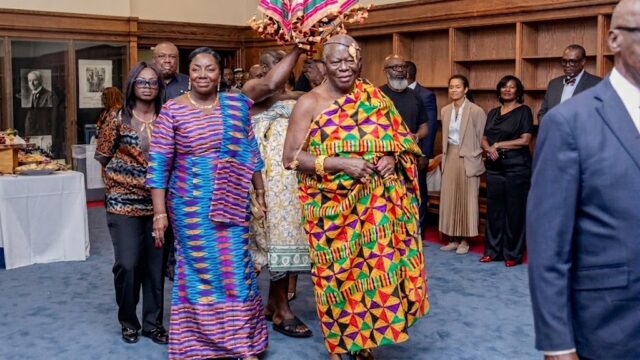
Members of the Asante royal family, officials from Manhyia Palace and representatives of Ghana’s diplomatic corps accompanied the Asantehene to the event.
The lecture formed part of a wider program of engagements in the United States leading to the North American Akwasidae Kese celebration at Bowie State University in Maryland.
The event underscored the Asantehene’s position that traditional authority can remain culturally significant while serving as a practical instrument for inclusive development, accountable leadership and international cooperation.
Source: Omanghana