Omanghana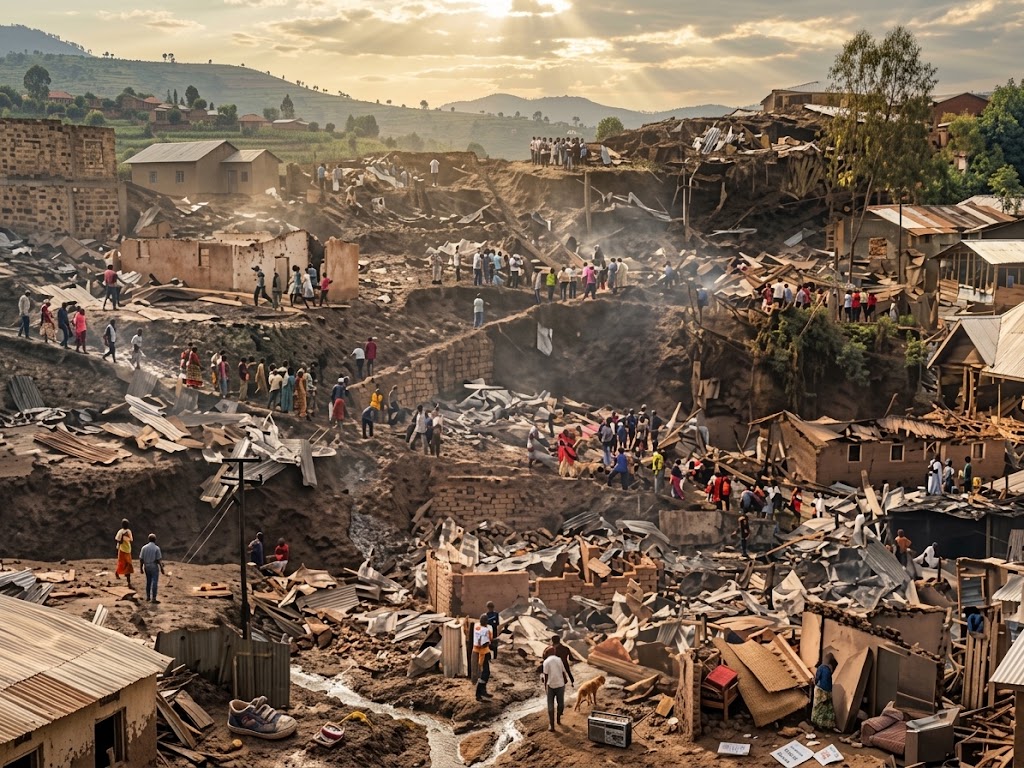
At least 24 schoolchildren have been killed and dozens of other people injured after a devastating fire swept through a densely populated neighborhood in Bukavu, eastern Democratic Republic of the Congo.
The blaze reportedly started at about 8:00 a.m. in a residential building on Cimpunda Avenue in Bukavu’s Kadutu municipality. The area is largely made up of closely packed homes, many of which were constructed with wood and other materials that burn easily.
Strong flames rapidly moved from one building to another, giving residents little time to protect their belongings or evacuate their families. More than 300 homes were destroyed before the fire reached Ujamaa Primary School and Furaha Secondary School, where classes were already underway.
Provisional figures released by local authorities and health officials indicate that 24 children—19 girls and five boys—lost their lives in the disaster. At least 29 other people suffered serious injuries and were taken to nearby health centers for treatment.
Several of the injured reportedly sustained severe burns or experienced breathing complications after inhaling thick smoke. Health workers were mobilised to provide emergency assistance, although the scale of the incident placed significant pressure on local medical facilities.
Panic reportedly spread through the two schools as flames and smoke entered the buildings. Students and teachers rushed towards the available exits, but the narrow passageways made an orderly evacuation difficult.
Some pupils reportedly jumped from upper-floor windows in a desperate attempt to escape the advancing fire. A stampede also broke out as students and residents attempted to flee, leaving several children trapped or trampled in the confusion.
Residents joined local responders in efforts to rescue those trapped inside the schools and nearby homes. However, narrow roads and the congestion caused by the tightly constructed buildings reportedly made it difficult for emergency teams to reach the affected area quickly.
Families displaced by the fire were left searching for relatives and attempting to recover property from the ruins. Hundreds of residents lost their homes and personal belongings, increasing the need for temporary shelter, food, medical supplies and other emergency assistance.
The exact cause of the fire has not yet been established. Local authorities have opened an investigation to determine how the blaze began and whether any safety failures contributed to its rapid spread.
Bukavu is currently under the administrative control of the AFC/M23 group, adding another layer of difficulty to the coordination of emergency services and humanitarian support in the city.
The tragedy has renewed concerns about fire safety, building regulations and emergency preparedness in Bukavu’s high-density communities. Many neighborhoods have limited access roads, inadequate firefighting equipment and buildings constructed without sufficient space between them.
Urban fires have become a serious danger in communities where wooden structures, overcrowding and poor electrical installations can allow flames to spread within minutes. Limited water access and the absence of properly equipped fire services can also delay efforts to contain such disasters.
Residents and community leaders are now expected to press authorities for stronger safety measures, improved emergency infrastructure and stricter enforcement of building standards. There are also likely to be calls for schools in crowded neighborhoods to review evacuation procedures and ensure that students have access to safe and clearly marked exits.
The deaths of the 24 children have left the Bukavu community in mourning as families await further information from authorities and health officials. Casualty figures remain provisional and could be revised as rescue operations, hospital assessments and investigations continue.
Source: Omanghana