Omanghana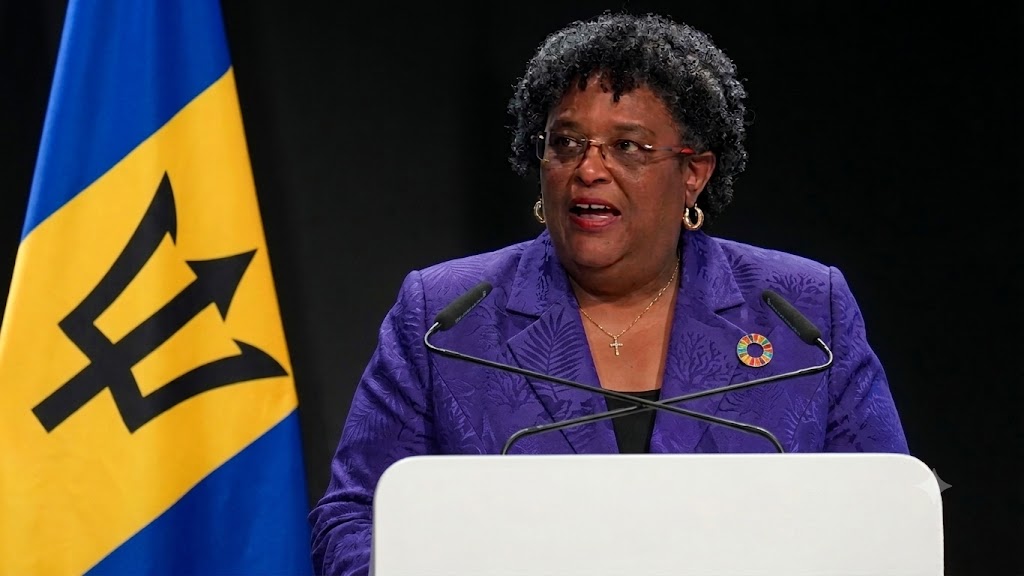
Barbados Prime Minister Mia Mottley has strongly dismissed suggestions that former British colonies should repay the United Kingdom, describing the idea as “asinine” amid renewed debate over reparations for slavery and colonialism.
Mottley’s remarks came during the closing press conference of the Caribbean Community (CARICOM) summit in St. Lucia, where regional leaders reaffirmed their commitment to pursuing reparatory justice for the legacy of the transatlantic slave trade and colonial rule.
Controversy Sparked by Suella Braverman’s Comments
The latest dispute follows comments made by British politician Suella Braverman, a former UK Home Secretary and current member of the Reform UK party.
In a post on the social media platform X, Braverman argued that the British Empire had made significant contributions to its former colonies through investments in infrastructure, governance, and institutions. She suggested that, given those contributions, former colonies should consider repaying Britain rather than seeking financial compensation for colonial-era injustices.
Her remarks came in response to reports that Jamaica intends to submit a formal petition later this year seeking reparations from the United Kingdom over its role in slavery and colonialism.
The comments quickly drew criticism from political leaders and commentators across the Caribbean.
Mottley Rejects the Argument
Responding to the proposal, Prime Minister Mottley firmly rejected the suggestion, calling it “asinine” and dismissing the notion that former colonies owe Britain a debt for its colonial presence.
She emphasized that discussions about reparations are rooted in historical accountability and the long-term social and economic consequences of slavery and colonial exploitation, rather than attempts to erase history.
Mottley has consistently been one of the Caribbean’s most prominent advocates for reparatory justice, arguing that the effects of slavery and colonialism continue to shape development outcomes across the region.
Reparations Debate Gains Momentum
The exchange comes as Caribbean governments continue to intensify calls for reparations from former colonial powers.
CARICOM has long supported a regional reparations agenda, with member states seeking dialogue with European nations over compensation, formal apologies, debt relief, educational initiatives, and other measures aimed at addressing the enduring legacy of slavery and colonial rule.
Jamaica’s reported plans to formally petition the United Kingdom have brought renewed international attention to the issue, fueling debate both within Britain and across the Caribbean.
A Divisive Historical Issue
The reparations debate remains one of the most contentious issues in relations between Britain and several of its former colonies.
Supporters argue that reparations represent an important step toward acknowledging historical injustices and addressing their lasting economic and social consequences. Critics, however, maintain that present-day governments should not be held financially responsible for actions carried out centuries ago.
Mottley’s response underscores the widening divide over how the legacy of empire should be understood and addressed, as Caribbean leaders continue to press for what they describe as meaningful historical justice.
Source: Omanghana