Omanghana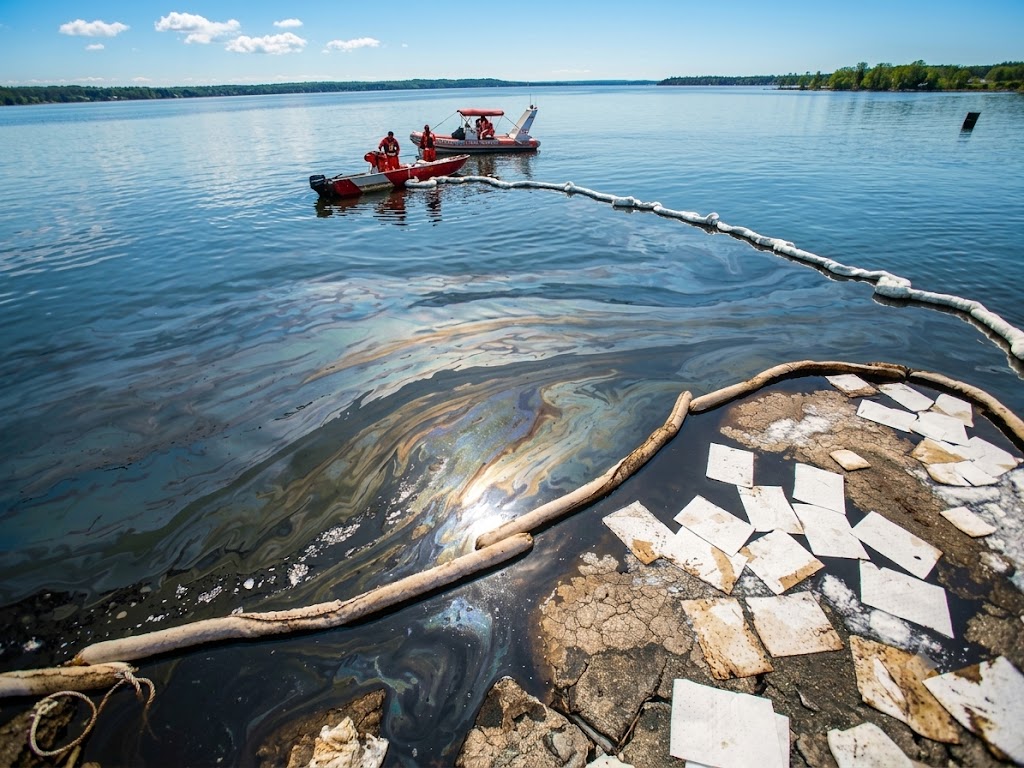
Brazilian non-governmental organization Fiotrar is using recycled human hair to create natural filters capable of removing oil and other pollutants from Rio de Janeiro’s Guanabara Bay.
The grassroots environmental initiative collects donated hair and transforms it into floating barriers designed to protect marine life, mangrove forests and communities that depend on the bay for their livelihoods.
Human hair is particularly useful for cleaning oil spills because of its natural biological properties. It is lipophilic, meaning it repels water while attracting oils, grease and hydrocarbons.
According to the project, one gram of hair can absorb as much as five grams of oil from the surface of the water.
Volunteers pack donated hair of different textures and lengths into long nylon tubes. The finished filters resemble large sausages and function as low-cost, environmentally friendly oil-absorbent booms.
The hair filters are attached to existing orange floating barriers across the Bom Jesus inlet in Guanabara Bay.
While the larger orange barriers capture plastic bottles and other solid waste, the hair-filled tubes absorb oil, biodiesel and fuel believed to have entered the water through spills or illegal dumping.
The filters can remain anchored in the bay for up to four months before requiring replacement, providing a durable and relatively inexpensive response to recurring surface pollution.
Guanabara Bay has faced decades of environmental pressure from shipping activity, commercial vessels, untreated waste and the illegal disposal of fuel and other contaminants.
Oil floating on the water can enter mangrove areas, coat marine organisms and reduce the amount of oxygen available to aquatic life.
Zoologists involved in monitoring the ecosystem say oil can coat or obstruct the gills of marine animals, preventing them from breathing properly.
The damage has contributed to a sharp decline in biodiversity. Of about 20 native crab species previously found in the area, only seven are reported to remain in the heavily polluted mangroves.
Traditional fishing communities have also been affected as declining fish populations make it increasingly difficult for residents to earn a living from the bay.
By positioning the recycled-hair barriers near vulnerable mangrove forests, Fiotrar hopes to create a defensive line against oil pollution and give damaged habitats an opportunity to recover.
The initiative also provides a practical example of how an everyday material that would normally be discarded can be reused to address a serious environmental problem.
Although the barriers cannot eliminate every source of pollution in Guanabara Bay, organizers believe they can reduce the amount of oil reaching sensitive habitats while supporting wider cleanup and conservation efforts.
Source: Omanghana