Omanghana
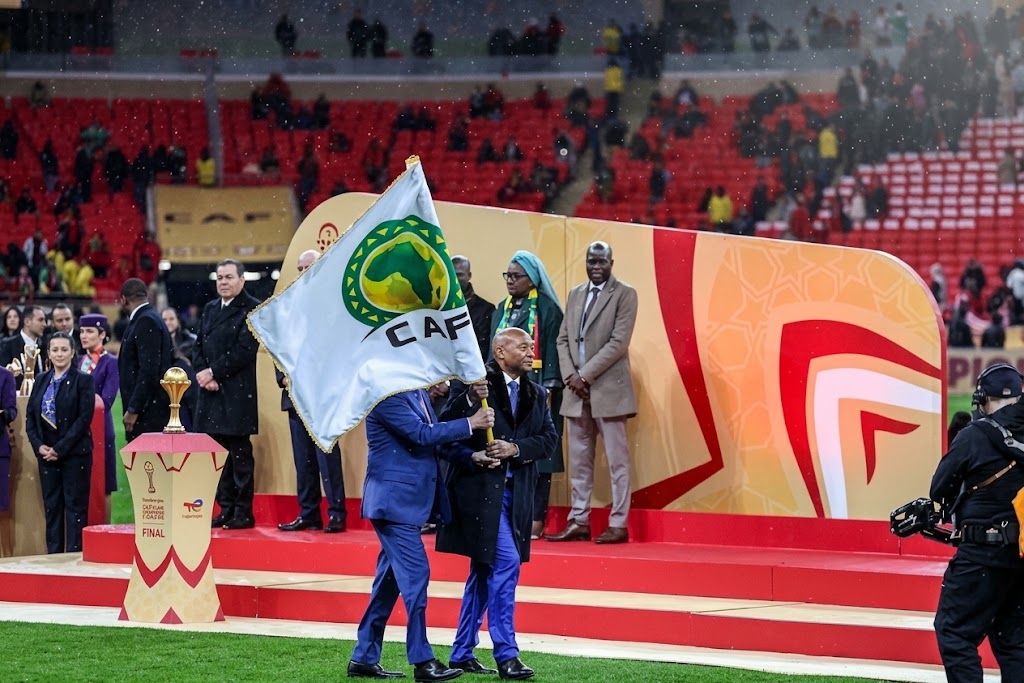
The Confederation of African Football (CAF) Executive Committee has officially decided to retain the Africa Cup of Nations (AFCON) in its traditional two-year format, reversing an earlier proposal to stage the continent’s biggest football competition every four years.
The decision follows an Executive Committee meeting, marking a significant change in direction after CAF President Patrice Motsepe previously announced plans to introduce a four-year tournament cycle.
The reversal means AFCON will continue to take place every two years, maintaining its established position as one of the most important sporting events on the African continent.
Why CAF Changed Its Decision
Several important considerations reportedly influenced CAF’s decision to abandon the proposed four-year schedule.
1. Financial Importance of AFCON
AFCON remains one of CAF’s biggest sources of revenue. The competition generates significant income through broadcasting rights, sponsorship deals, commercial partnerships and ticket sales.
CAF had proposed introducing an African Nations League to help maintain competitive football activities between AFCON tournaments. However, concerns emerged over how long it would take for the new competition to generate enough revenue to support football development across the continent.
2. Opposition to the Four-Year Format
The proposed change attracted criticism from different sections of African football, including coaches, players, supporters and football administrators.
Many believed that extending the tournament cycle to four years could reduce AFCON’s visibility, limit opportunities for national teams and weaken the competition’s influence on the development of African football.
3. Consultation With Member Associations
CAF also considered the positions of its 54 member associations before reaching its final decision.
The consultation process reportedly revealed strong support for maintaining the traditional two-year schedule, adding to the pressure to reconsider the proposed changes.
Upcoming AFCON Tournaments
With the two-year format retained, attention now turns to the organization of upcoming editions of the competition.
The next tournament in 2027 will be jointly hosted by Kenya, Tanzania and Uganda.
Other future editions are expected to be determined through CAF’s hosting and bidding processes.
The proposed schedule includes:
| Year | Host nation(s) |
|---|---|
| 2027 | Kenya, Tanzania and Uganda |
| 2028 | To be determined |
| 2031 | To be determined |
| 2033 | To be determined |
What the Decision Means for African Football
CAF’s decision to maintain AFCON’s two-year cycle is expected to preserve the competition’s regularity and commercial importance.
For many African football supporters, AFCON is more than just a tournament. It is a major sporting celebration that brings nations together, provides international exposure for players and creates opportunities for emerging football talents.
Maintaining the traditional schedule also gives national teams more regular opportunities to compete for continental honors.
The decision represents a major shift in CAF’s tournament strategy, with the governing body choosing to retain a familiar format rather than move forward with the proposed four-year arrangement.
For now, African football supporters can look forward to the continuation of the biennial AFCON tradition.
Source: Omanghana