Omanghana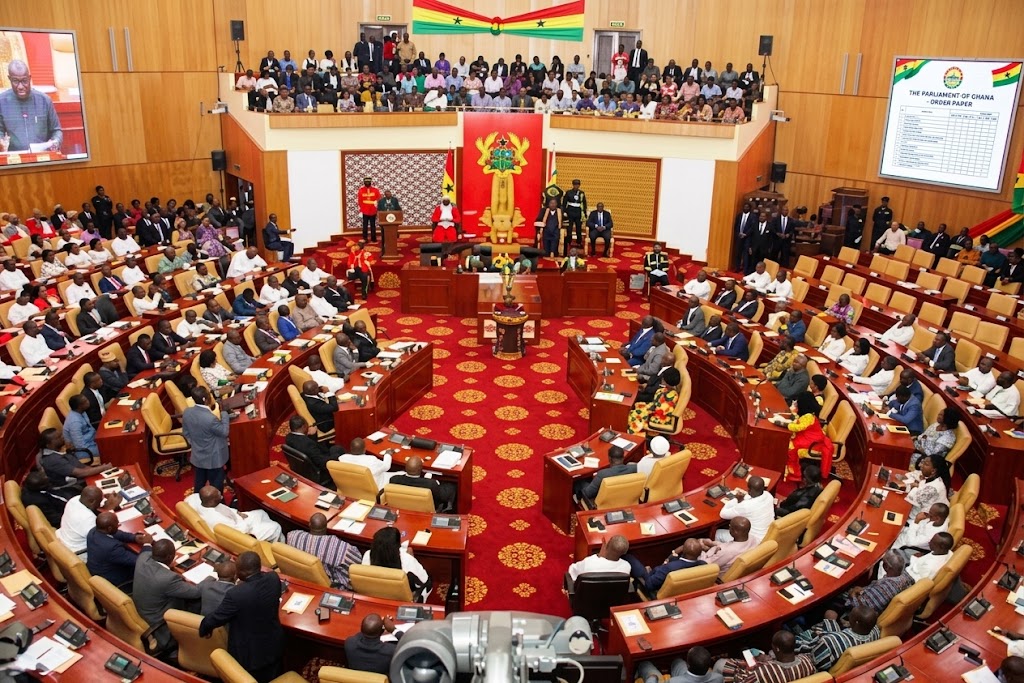
Pressure is mounting on Parliament to summon the Minister of Energy and the leadership of the Ghana Grid Company Limited (GRIDCo) following repeated nationwide power outages that disrupted businesses and households across Ghana.
The renewed demand for parliamentary scrutiny comes after the National Interconnected Transmission System recorded multiple widespread disturbances within a short period. Major outages on July 29 and August 20, 2026, left several parts of the country without electricity and raised fresh concerns about the reliability of the national grid.
GRIDCo attributed the disruptions to faults affecting critical transmission infrastructure. According to the company, a major problem on the Akosombo–Volta transmission line triggered the automatic shutdown of generating units at the Akosombo Hydroelectric Power Station and several thermal plants.
The generation units reportedly tripped as part of protective mechanisms designed to prevent extensive damage to equipment and other sections of the power system. However, the frequency and scale of the outages have intensified calls for a comprehensive explanation from energy-sector authorities.
Lawmakers, consumer advocacy organizations and business groups want the Energy Minister and GRIDCo officials to appear before Parliament’s Select Committee on Mines and Energy. They are demanding clarity on whether the blackouts resulted solely from technical transmission faults or were connected to maintenance backlogs, fuel-supply challenges and financial difficulties within the power sector.
Stakeholders are also calling for greater transparency regarding the condition of Ghana’s electricity infrastructure. Some have urged the authorities to publish a load-management schedule if the country is facing generation or transmission constraints, allowing households and businesses to plan their activities.
Concerns about the security of critical power infrastructure have also grown following incidents involving damage to transmission towers, including facilities around Ashaiman. These developments have renewed attention on encroachment, inadequate protection of power corridors and weak enforcement of right-of-way restrictions.
Industry observers argue that Parliament’s intervention would provide an opportunity for the Energy Ministry, GRIDCo and other relevant agencies to present a detailed restoration and grid-stabilization plan.
They are also expected to explain the measures being taken to strengthen transmission infrastructure, clear maintenance backlogs, secure fuel supplies and prevent further nationwide system collapses.
With businesses estimating losses from interrupted operations and households expressing frustration over the unreliable supply, pressure is likely to remain on the government until it provides a clear explanation and a credible long-term solution.
Source: Omanghana