Omanghana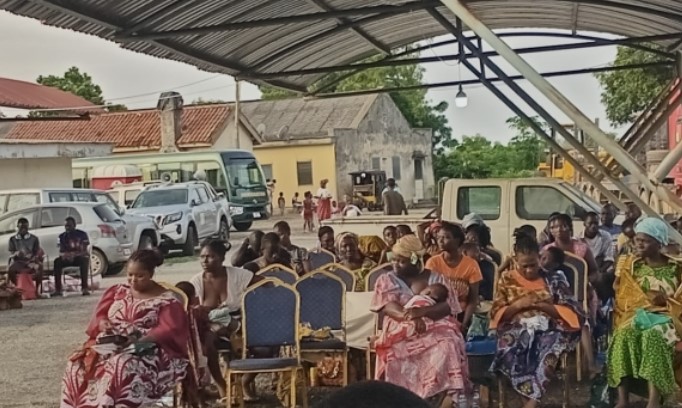
The Central Regional Coordinating Council has officially received 137 Ghanaian nationals repatriated from Côte d’Ivoire after they were displaced during a large-scale demolition and clearance exercise carried out by Ivorian authorities.
The group, made up largely of fisherfolk from communities in Ghana’s Central Region, arrived safely in Cape Coast at approximately 3:00 a.m. on Friday, June 12, 2026. They form part of a broader contingent of 327 Ghanaians evacuated from the Port Bouët Municipality in Abidjan through arrangements coordinated by Ghana’s Ministry of Foreign Affairs.
Evacuation Follows Demolition Exercise
The repatriation comes in the wake of an extensive demolition campaign undertaken by authorities in Côte d’Ivoire to remove informal structures, reorganize sections of the municipality, and clear areas considered vulnerable to flooding.
The operation reportedly displaced thousands of residents, including Ghanaian migrants who lost homes, businesses, and other sources of livelihood. Many found themselves without shelter and appealed for assistance from the Ghanaian government.
In response, the government organized transportation using buses and cargo trucks to return affected citizens and their remaining belongings safely to Ghana.
Breakdown of the Returnees
Officials conducting arrival profiling indicated that the 137 returnees assigned to the Central Region included:
- 55 women
- 35 girls
- 17 men
- 31 boys
The group also included three pregnant individuals—a 15-year-old from Mankessim, an 18-year-old from Komenda, and a 27-year-old from Abura—who are expected to receive additional support during the reintegration process.
Health Screening and Emergency Assistance
Upon arrival, the returnees underwent comprehensive screening and support services coordinated by multiple government agencies.
The process included medical examinations, immigration documentation, psychosocial counseling, and the distribution of emergency relief items through collaboration among the Ghana Health Service, the Ghana Immigration Service, and the National Disaster Management Organization (NADMO).
The coordinated response aims to address both the immediate humanitarian needs of the evacuees and their longer-term reintegration into local communities.
Majority Resettled in KEEA Municipality
According to Central Regional NADMO Director Emmanuel Kwesi Dawood, the Komenda-Edina-Eguafo-Abrem (KEEA) Municipality received the largest share of the returnees, with 74 individuals.
Other districts receiving evacuees include:
- Mfantseman Municipality: 22 people
- Cape Coast Metropolitan Area: 19 people
- Abura-Asebu-Kwamankese District: 19 people
- Ekumfi District: 3 people
Local authorities are expected to work closely with community leaders to facilitate their reintegration.
Government Pledges Continued Support
Welcoming the returnees, Central Regional Minister Ekow Panyin Okyere Eduamoah described their experiences as deeply distressing and assured them that the government would conduct individual welfare assessments to identify their specific needs.
He also directed Municipal and District Chief Executives within the region to oversee local reintegration efforts and ensure that affected families receive appropriate social support.
Diplomatic Engagement on Compensation
Meanwhile, Ghana’s Ministry of Foreign Affairs has indicated that discussions with the Ivorian government are ongoing regarding possible compensation for those affected by the displacement.
According to the ministry, authorities in Côte d’Ivoire have expressed a willingness to consider compensation measures, while Ghana’s diplomatic mission in Abidjan continues to engage with relevant officials to facilitate the process.
As reintegration efforts continue, the government says it remains committed to supporting the returnees as they rebuild their lives and recover from the economic and personal losses suffered during the displacement.
Source: Omanghana