Omanghana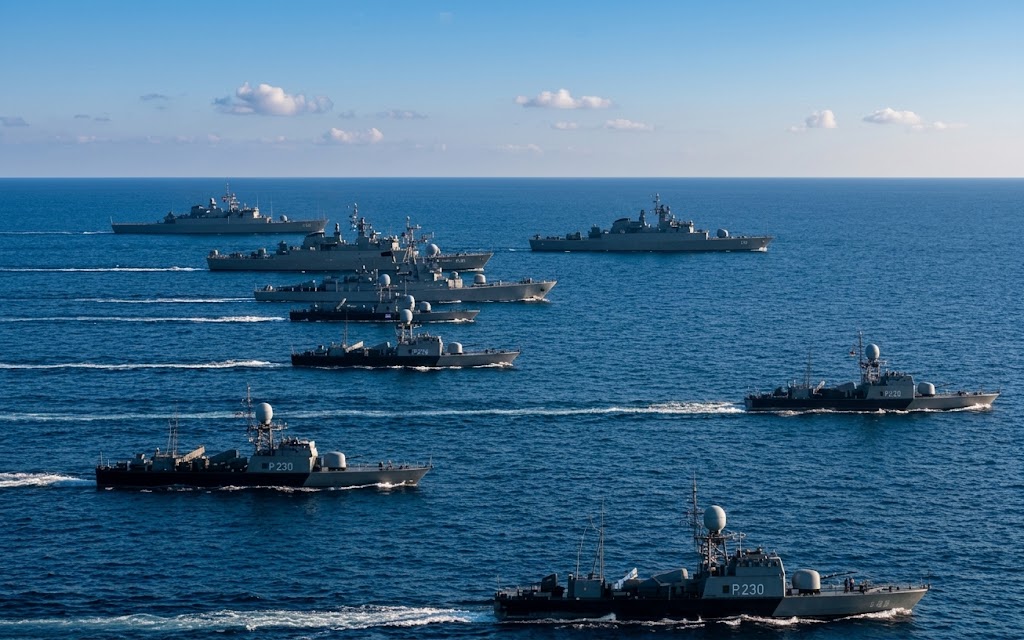
China’s People’s Liberation Army Navy has deployed its 49th Naval Escort Task Force to the Gulf of Aden and waters off Somalia as regional coastal countries move to establish a coordinated African-led mechanism to combat piracy and armed robbery at sea.
The deployment strengthens maritime security around the southern gateway to the Red Sea, where instability and the reported resurgence of Somali piracy have increased concerns about the safety of commercial shipping.
The Chinese naval formation comprises the Type 052D guided-missile destroyer Kunming, the Type 054A guided-missile frigate Yueyang and the Type 903A comprehensive replenishment ship Luomahu.
More than 700 personnel are participating in the mission, including dozens of special operations troops. The task force is also equipped with two shipborne helicopters to support surveillance, escort operations and emergency responses.
The 49th task force is expected to relieve China’s 48th Naval Escort Task Force and continue Beijing’s long-running mission to protect merchant vessels and strategic trade routes in the Gulf of Aden.
China has maintained a continuous naval escort presence in the area since 2008, when growing piracy off the Somali coast threatened international shipping, crew safety and global trade. The missions have since become an important part of China’s overseas naval operations.
The latest deployment coincides with efforts by African and Middle Eastern coastal states to strengthen regional responsibility for maritime security.
Signatories to the Djibouti Code of Conduct and its Jeddah Amendment have agreed to develop a Combined DCoC Task Force under the framework of the International Maritime Organization.
The proposed regional force will allow participating countries to coordinate maritime patrols, exchange intelligence and respond more directly to piracy, armed robbery and other illegal activities at sea.
It is also expected to improve communication among naval forces, coast guards, port authorities and maritime security agencies operating across the Western Indian Ocean and Gulf of Aden.
The African-led arrangement is intended to complement existing international security missions, including Combined Task Force 151 and the European Union Naval Force’s Operation Atalanta. However, its creation represents a significant step towards giving regional states greater ownership of security operations in their own waters.
The maritime corridor linking the Western Indian Ocean, Gulf of Aden, Bab el-Mandeb Strait and Red Sea remains one of the world’s most important commercial routes. Large volumes of energy supplies, manufactured products and containerized cargo pass through the area before entering or leaving the Suez Canal.
Any prolonged disruption along the route can delay deliveries, increase insurance and freight costs and force vessels to make the longer journey around Africa’s Cape of Good Hope.
Continued instability in the Red Sea, combined with renewed pirate activity near Somalia, has therefore raised the strategic importance of coordinated security operations in the region.
The simultaneous mobilization of China’s naval escort force and the emerging Combined DCoC Task Force could create a layered maritime security system. Regional states would lead intelligence-sharing and enforcement efforts near their coastlines, while foreign naval formations continue conducting independent patrols and protecting international shipping lanes.
The effectiveness of the arrangement will depend on sustained cooperation, adequate resources and clear operational coordination among participating countries and international partners. If successfully implemented, it could strengthen the region’s capacity to respond to piracy while reducing its long-term dependence on foreign-led maritime security operations.
Source: Omanghana