Omanghana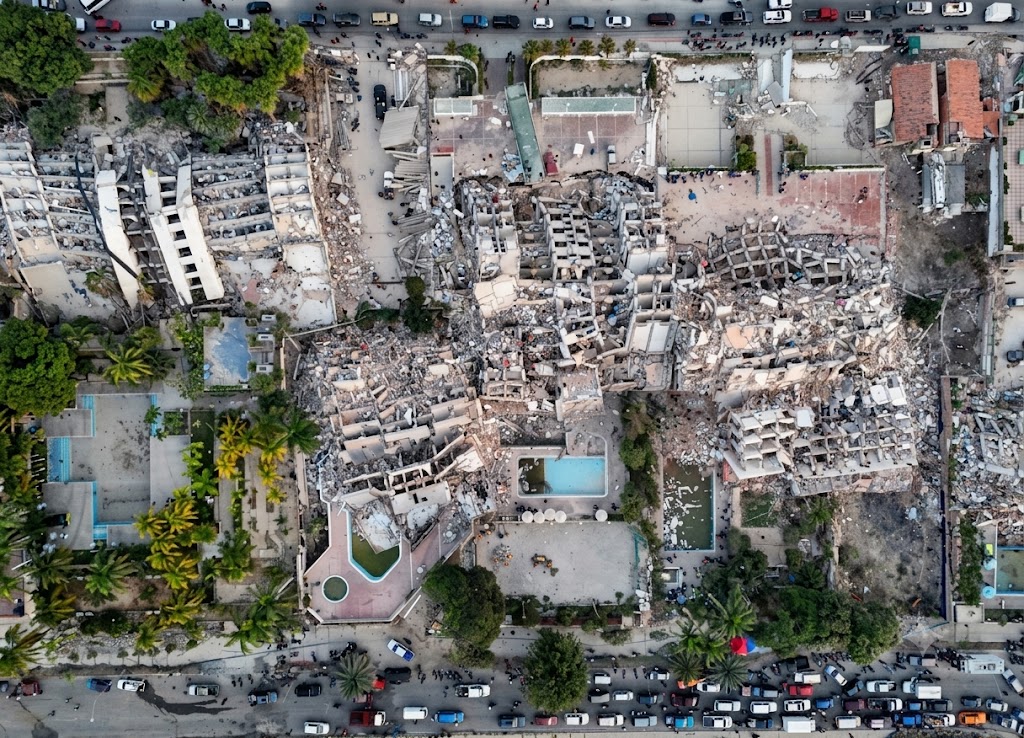
China has announced 100 million yuan (approximately $14.7 million) in emergency humanitarian assistance to support disaster relief and reconstruction efforts in Venezuela after two powerful earthquakes devastated the country’s northern region.
The announcement was made by Chinese Foreign Ministry spokesperson Guo Jiakun, who said the aid package is intended to help Venezuela respond to one of the country’s deadliest natural disasters in recent history.
The twin earthquakes have claimed at least 1,719 lives, injured more than 5,000 people, and left widespread destruction across several coastal communities.
Emergency Relief Package
The humanitarian assistance will be coordinated through the China International Development Cooperation Agency (CIDCA) and builds on earlier financial support already provided by Beijing.
According to Chinese officials, the package includes:
- Emergency medical supplies for hospitals and relief centers.
- Rescue equipment to assist search-and-recovery operations.
- Essential humanitarian materials to support displaced communities.
- Additional disaster relief resources for ongoing recovery efforts.
The aid is being provided as a grant, with emergency supplies expected to arrive in Caracas in the coming days.
China Provides Satellite Support
In addition to humanitarian supplies, China is assisting Venezuelan authorities through satellite technology.
Officials said real-time satellite imagery is being shared with emergency responders to help identify damaged infrastructure, assess the extent of destruction, and improve the coordination of rescue operations in affected areas.
The technology is expected to support search teams as they continue efforts to locate survivors trapped beneath collapsed buildings.
Chinese Community Joins Relief Effort
Chinese state-owned companies operating in South America, together with members of the overseas Chinese community in Venezuela, have also mobilized to assist local authorities.
Volunteer teams have deployed heavy engineering equipment to help remove debris and clear damaged roads while working alongside emergency response personnel.
China’s Foreign Ministry also confirmed that eight Chinese nationals were among those killed in the disaster.
Thousands in Need of Humanitarian Assistance
Chinese President Xi Jinping extended condolences to Venezuela’s interim President Delcy Rodríguez, expressing sympathy for the victims and support for the country’s recovery efforts.
The earthquakes caused extensive damage in La Guaira and communities surrounding Caracas, leaving homes, hospitals, roads, and public infrastructure severely affected.
According to the International Organization for Migration (IOM), approximately 6.76 million people live in areas impacted by the earthquakes and require urgent assistance, including food, clean water, sanitation services, temporary shelter, and medical care.
International Support Continues to Grow
As rescue operations continue, the international community has expanded its humanitarian response.
Search-and-rescue teams, including specialized canine units, have arrived from Switzerland, Spain, France, Portugal, and Mexico to assist Venezuelan emergency services in locating survivors.
The United States has announced a $150 million relief package that includes logistical support from the U.S. military to help humanitarian organizations such as World Vision and the World Food Program (WFP) deliver aid to affected communities.
Other countries, including India, Brazil, and Iran, have pledged additional support for relief and reconstruction efforts, while Pope Leo XIV has contributed an initial €100,000 in emergency assistance through the Catholic Church.
Rescue and Recovery Efforts Continue
Emergency crews remain engaged in search-and-rescue operations as hopes persist of finding additional survivors beneath the rubble.
With thousands displaced and critical infrastructure damaged, authorities and international aid organizations are now focusing on providing immediate humanitarian relief while laying the foundation for long-term reconstruction in the hardest-hit regions of Venezuela.
Source: Omanghana