Omanghana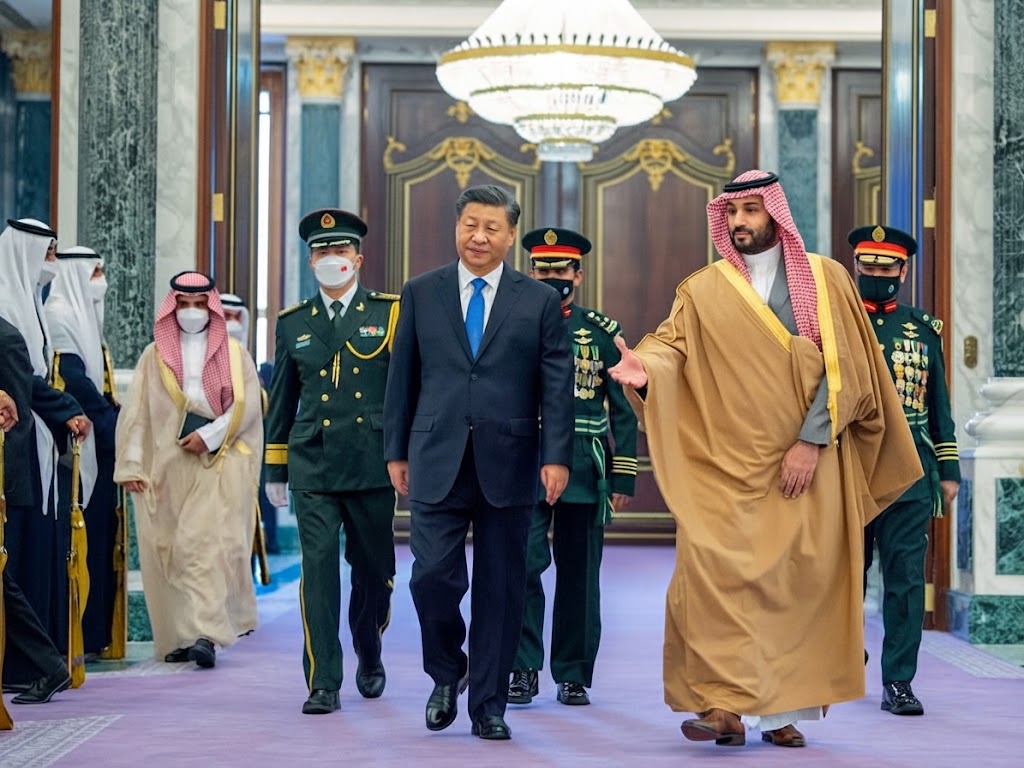
China has stepped up diplomatic engagement with Iran after Saudi Arabia sought Beijing’s help in containing Yemen’s Houthi movement amid growing threats to shipping and oil exports through the Red Sea.
The diplomatic intervention followed reports that Saudi Crown Prince Mohammed bin Salman had urged United States President Donald Trump to authorize direct military strikes against the Iran-aligned group. The appeal came as Houthi forces made rapid advances along Yemen’s Red Sea coast and around the strategically important Bab el-Mandeb Strait.
Trump reportedly held at least two telephone conversations with the Saudi crown prince but did not agree to launch American strikes. Washington, however, remained willing to provide intelligence and other forms of support as regional partners confronted the escalating threat. The US administration’s position reflected its reluctance to open another direct military front in the region. Reuters
Following Washington’s refusal, Riyadh turned to Beijing, which maintains significant economic and diplomatic ties with both Saudi Arabia and Iran.
Three Iranian sources familiar with the discussions told Reuters that China had privately asked Tehran to use its influence over the Houthis to prevent the conflict from spreading further. It remained unclear whether Iran would act on Beijing’s concerns.
The Chinese Foreign Ministry publicly called for restraint, dialogue and the restoration of safe navigation in the Red Sea. It warned that further instability would not serve the interests of any country and urged all parties to avoid actions that could complicate the situation.
China’s involvement reflects its substantial economic exposure to the Middle East. Beijing is Iran’s largest trading partner and principal oil customer, with Chinese purchases accounting for more than 80 per cent of Iran’s seaborne oil exports in 2025.
The country also depends heavily on Gulf energy supplies and maritime routes passing through the Strait of Hormuz and the Bab El-Mandeb. Any prolonged disruption at both chokepoints could deepen the global energy crisis and force more vessels to use longer and more expensive routes.
Beijing has previously demonstrated its ability to mediate between regional rivals. In 2023, China helped broker the agreement that restored diplomatic relations between Saudi Arabia and Iran after years of hostility.
The latest Saudi appeal places China at the center of another major regional challenge. However, analysts say Beijing’s ability to restrain the Houthis will depend on whether Tehran is prepared to respond and whether China is willing to use its economic leverage.
The development also highlights Riyadh’s increasingly diversified foreign policy as the kingdom looks beyond its traditional Western security partners for diplomatic assistance in protecting its oil infrastructure and the critical Red Sea shipping corridor.
Source: Omanghana