Omanghana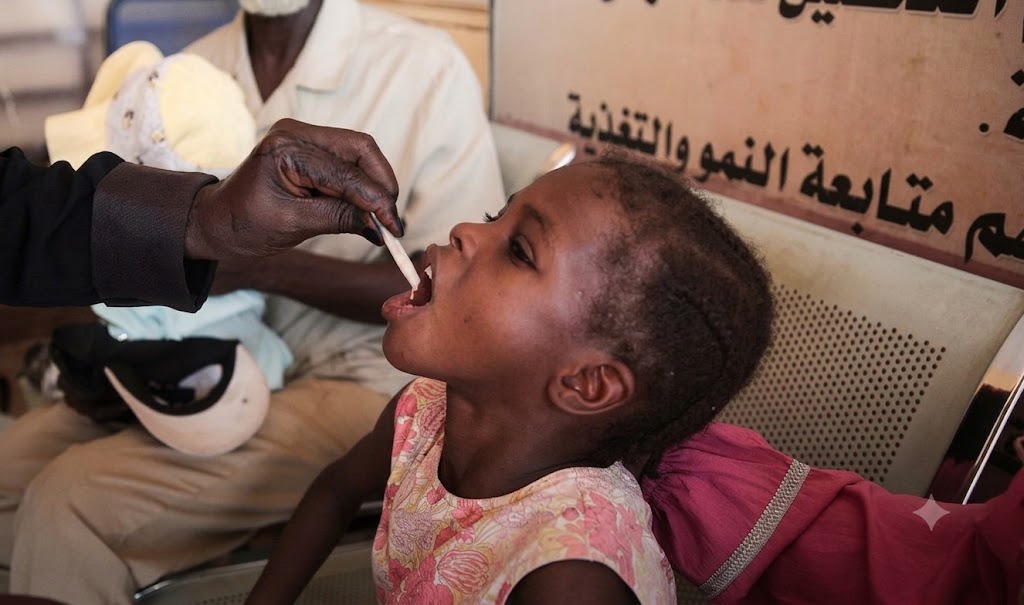
A new cholera outbreak in Sudan has claimed at least 120 lives and sickened more than 1,100 people since emerging in May 2026, prompting fresh warnings from the World Health Organization (WHO) that the disease is spreading rapidly through conflict-affected areas of the country.
Health officials fear the outbreak could worsen significantly in the coming weeks as Sudan’s rainy season intensifies, increasing the risk of contaminated water supplies and further limiting access to healthcare.
Outbreak Originates in West Kordofan
Sudan’s Ministry of Health officially declared the outbreak in West Kordofan State, a region that has become one of the country’s most heavily contested frontlines between the Sudanese Armed Forces (SAF) and the Rapid Support Forces (RSF).
The conflict has made disease surveillance and emergency response increasingly difficult, allowing cholera to spread rapidly through vulnerable communities.
The WHO has also reported that the outbreak is expanding into neighboring North Kordofan State, where nearly 300 suspected cases and three additional deaths have already been recorded.
Third Cholera Wave in Three Years
The latest outbreak marks Sudan’s third cholera epidemic in as many years, underscoring the country’s worsening public health crisis.
It began just two months after health authorities declared the end of a previous two-year outbreak in March 2026. That epidemic infected approximately 124,400 people and resulted in more than 3,500 deaths, making it one of the country’s deadliest cholera outbreaks in recent history.
The recurrence of the disease highlights the continuing challenges facing Sudan’s healthcare system amid prolonged conflict.
Civil War Cripples Health Response
Sudan’s civil war, now entering its fourth year, has devastated the country’s ability to contain infectious diseases.
According to health officials, ongoing fighting, drone strikes, and attacks on civilian infrastructure have forced nearly all hospitals in some affected regions to close fully or operate only partially.
The conflict has also disrupted humanitarian operations, with insecurity and damaged transport routes preventing aid organizations from delivering medical supplies, clean water, and emergency treatment to communities most at risk.
Damage to Water Infrastructure Fuels Outbreak
Attacks on critical infrastructure have further compounded the crisis.
Drone strikes targeting regional power facilities have disrupted electricity supplies, leaving hundreds of thousands of displaced residents without reliable access to clean drinking water. The resulting dependence on unsafe water sources has increased the risk of cholera transmission in overcrowded communities and displacement camps.
Health experts warn that restoring safe water access remains one of the most urgent priorities in controlling the outbreak.
Rainy Season Raises Fears of More Cases
The WHO has warned that Sudan could experience a sharp increase in cholera infections as the rainy season reaches its peak.
Seasonal flooding has historically accelerated the spread of waterborne diseases by contaminating water sources and overwhelming sanitation systems. Floodwaters also frequently wash away roads and bridges, cutting off millions of people from medical facilities and humanitarian assistance.
Funding Shortfalls Hamper Response
International health agencies continue to face significant resource constraints as they attempt to contain the outbreak.
The WHO says it has received only about one-third of the funding required for its Sudan operations this year, limiting its ability to expand emergency treatment centers, deliver essential medical supplies, and support disease surveillance in conflict-affected regions.
With violence continuing and humanitarian access severely restricted, health officials warn that the combination of conflict, damaged infrastructure, and seasonal flooding could drive a further escalation of Sudan’s cholera crisis unless additional international assistance is mobilized quickly.
Source: Omanghana