Omanghana
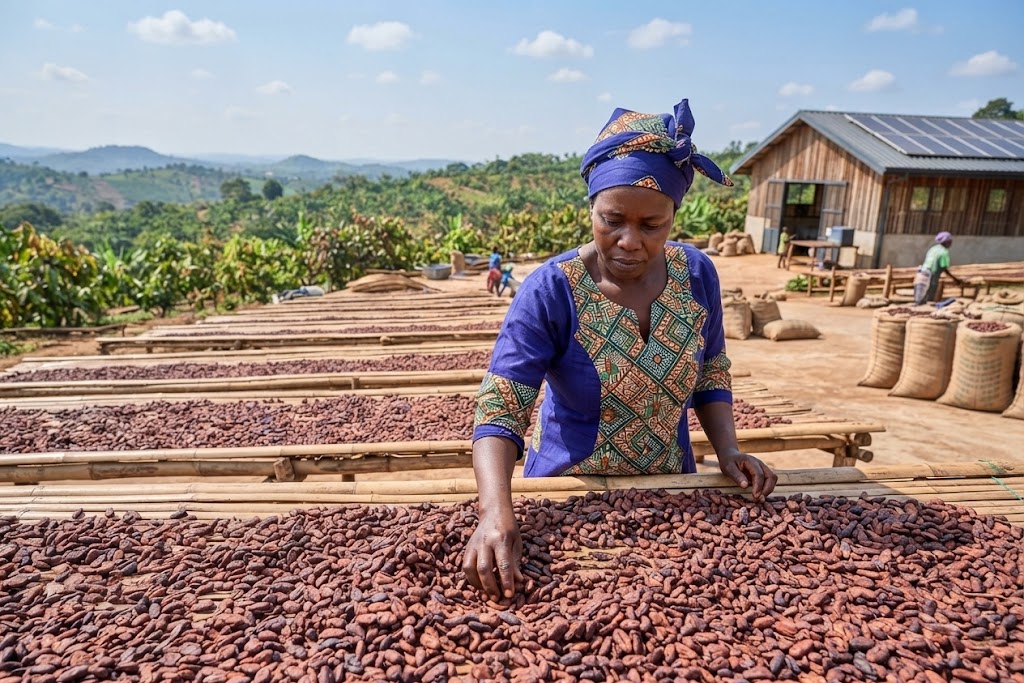
Accra, Ghana — The Ghana Cocoa Board (COCOBOD) has increased the producer price of cocoa to GH¢42,400 per tones for the 2026/2027 crop season.
The new price, which takes effect from September 25, 2026, was announced by COCOBOD Chief Executive, Dr. Randy Abbey, at the official opening of the new cocoa season.
The adjustment represents an increase of GH¢1,008 per tone, or about 2.4 percent, from the previous producer price of GH¢41,392 per tone.
Farmers to receive GH¢2,650 per bag
Under the new pricing regime, cocoa farmers will receive GH¢2,650 for a 64-kilogramme bag of Grade I and II cocoa beans.
The new rate is equivalent to 16 bags per tone and reflects COCOBOD’s revised pricing structure for the 2026/27 crop season.
Producer price represents 71.18% of FOB value
Dr. Abbey said the new producer price represents 71.18 percent of the realized gross Free-On-Board (FOB) value of Ghana’s cocoa.
The pricing decision follows consultations with key stakeholders in the cocoa industry, including the Minister of Finance, cocoa farmers and the Chamber of Cocoa Marketers, which represents Licensed Buying Companies, haulers and processors.
The new pricing framework comes under the newly enacted Ghana Cocoa Board Act, 2026 (Act 1182), which introduces changes to the governance and pricing structure of the cocoa sector.
Under the new law, cocoa farmers are guaranteed a minimum of 70 percent of the realized gross FOB price of cocoa.
New season opens amid sector reforms
The announcement comes as COCOBOD implements reforms aimed at improving the financial sustainability and governance of the cocoa industry.
The Board has also been addressing financing challenges within the sector ahead of the new crop season, including outstanding payments to Licensed Buying Companies. COCOBOD has said discussions are underway with cocoa marketers to address those obligations and support the financing of cocoa purchases.
The 2026/27 producer price of GH¢42,400 per tone is expected to guide cocoa purchases from farmers throughout the new crop season, with stakeholders closely watching developments in international cocoa prices and the financing of domestic purchases.
Source: Omanghana