Omanghana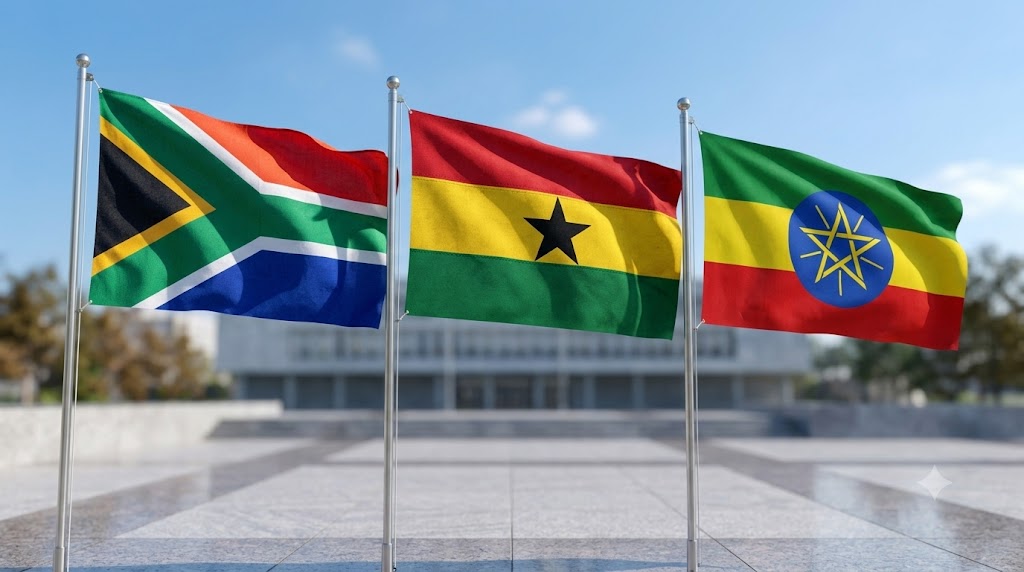
Colombia’s president-elect, Abelardo de la Espriella, has announced plans to close 14 embassies and about 15 consulates as part of a sweeping restructuring of the country’s diplomatic network.
The overhaul, which is expected to begin after De la Espriella assumes office on August 7, 2026, will significantly reduce Colombia’s diplomatic presence in Africa while redirecting the country’s foreign policy toward the priorities of the incoming administration.
Four African countries Ghana, Ethiopia, Senegal and South Africa—are among those affected by the first phase of the restructuring. Colombia’s diplomatic missions in Accra, Addis Ababa, Dakar and Pretoria are expected to close under the plan.
The closures will not automatically terminate Colombia’s diplomatic relations with the four countries. Instead, Colombian interests and citizens in the affected nations are expected to be served through concurrent accreditation arrangements managed by embassies elsewhere in the region.
The decision could, however, complicate access to consular services for Colombians living in the affected countries and reduce direct diplomatic engagement between Bogotá and the respective African governments.
De la Espriella said the restructuring is intended to reduce the cost of maintaining Colombia’s overseas missions and realign foreign policy with his administration’s security, economic and ideological priorities.
Savings generated from closing the embassies and consulates are expected to be redirected toward domestic security, healthcare, education and infrastructure development.
Beyond Africa, the first group of embassy closures reportedly includes missions in Algeria, Azerbaijan, Barbados, Cuba, Czechia, Haiti, Hungary, Malaysia, Nicaragua and Romania.
The diplomatic shake-up also signals a major reversal of several foreign-policy decisions taken under outgoing President Gustavo Petro.
De la Espriella plans to restore full diplomatic relations with Israel and reopen Colombia’s embassy in Jerusalem. His administration will also suspend an earlier proposal to establish a diplomatic mission to Palestine.
Colombia severed relations with Israel under Petro amid disagreements over the war in Gaza. The incoming administration’s decision represents a sharp realignment toward Israel and a broader shift in Bogotá’s approach to Middle Eastern affairs.
While diplomatic relations will continue with most countries affected by the embassy closures, De la Espriella has adopted a harder position toward Cuba and Nicaragua. He has pledged to sever official ties with both governments, describing their administrations as authoritarian.
The restructuring is one of the clearest indications yet of the ideological changes expected under De la Espriella, who narrowly won Colombia’s 2026 presidential election. He is scheduled to begin his four-year term on August 7.
The planned withdrawal from four African capitals could weaken Colombia’s recent efforts to deepen South-South cooperation, cultural exchanges and commercial relations with the continent. It could also reduce Bogotá’s direct participation in diplomatic discussions hosted in Addis Ababa, where the African Union is headquartered.
Source: Omanghana