Omanghana
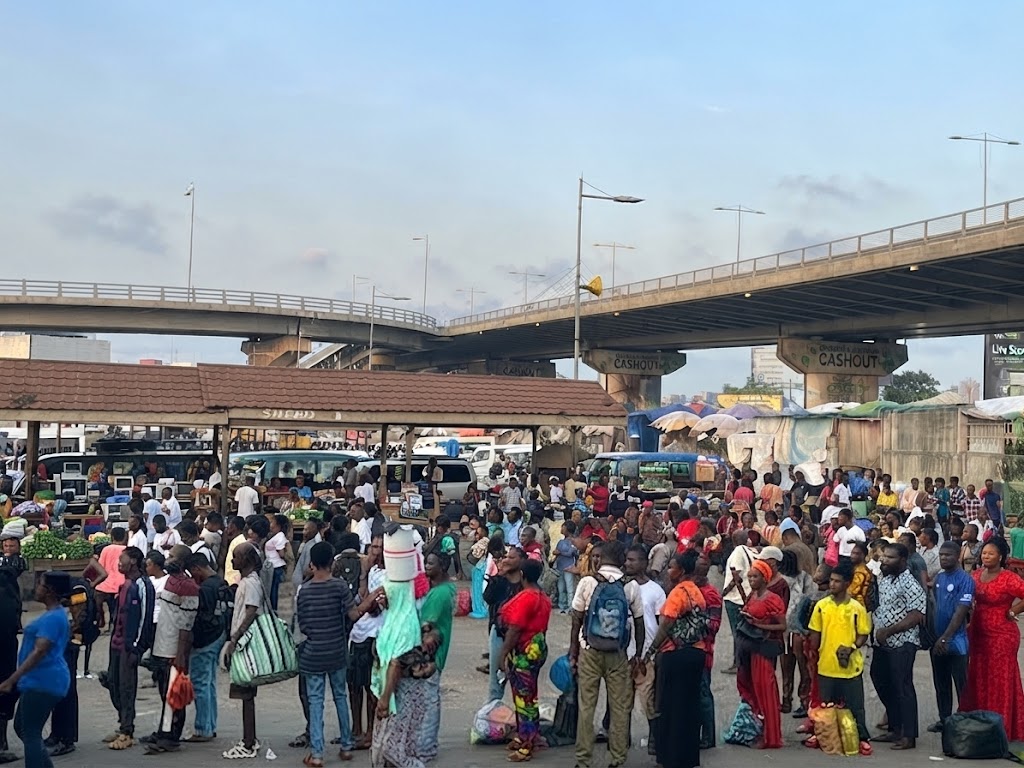
Commuters around Accra Central Market are struggling to find transport during peak hours as congestion slows vehicles moving through the city’s central business district.
The Ghana News Agency observed heavy pedestrian and vehicle activity around the market, the CMB Lorry Station, Tudu and Rawlings Park. Passengers waiting at loading points said the delays were adding to the time it took them to get home after work or shopping.
At CMB, transport worker Christian Annan said traders and hawkers occupying pavements and sections of the road had narrowed the space available to both pedestrians and vehicles. The congestion makes it difficult for drivers to enter and leave parts of the market area, slowing access to loading points.
Traffic also affects how quickly commercial vehicles return for another trip. Nii Okan Lantey, who loads vehicles at Rawlings Park, said drivers caught in gridlock take longer to get back to the station. That leaves fewer vehicles immediately available when passenger demand rises, creating longer queues even when vehicles are operating on the routes.
The problem extends beyond a single station. Vehicles, shoppers, traders and people trying to board transport all compete for limited space in the busy market district. For commuters, a delayed return trip can mean spending more time at the station before their journey home even begins. The observations have renewed calls for better traffic management and enforcement around roads and loading areas.
Passengers are also preparing for higher fares. The Ghana Private Road Transport Union and the Ghana Road Transport Coordinating Council have announced an 8% increase in public transport fares from Saturday, September 26, 2026. The revised rates will apply to shared taxis, intra-city tro-tros, intercity services and haulage. Operators have been directed to display the approved fare schedules at stations and loading terminals. www.isd.gov.gh
The fare increase will add to commuters’ travel costs, while the delays around Accra Central Market will continue to depend on how effectively traffic and access to the stations are managed
Source: Omanghana