Ben
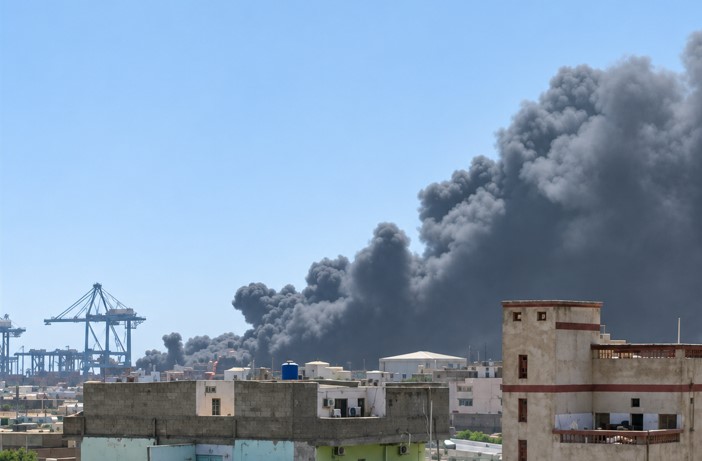
More than 1,630 civilians were killed by drone strikes in Sudan between January and the end of October 2026, accounting for nearly three-quarters of the civilian deaths verified by the United Nations during the period.
The UN Human Rights Office said it had confirmed more than 2,230 civilian deaths in the first 10 months of the year, but warned that the actual toll was likely to be higher.
The figures were released on November 17 alongside a report examining the impact of the conflict during the first half of 2026. Sudan’s war between the Sudanese Armed Forces (SAF) and the paramilitary Rapid Support Forces (RSF) began in April 2023. 17 November 2026
Markets, Hospitals and Essential Services Hit
The UN said drone attacks have reached communities far from active front lines, striking markets, hospitals, schools, water sources, fuel supplies, displacement sites and civilian vehicles.
During the first six months of 2026, the UN documented at least 39 drone strikes on markets, 20 on civilian vehicles, 17 on fuel tankers and depots, and 16 on health facilities.
Civilians in Kordofan suffered the heaviest impact during the period covered by the report, accounting for more than two-thirds of documented civilian casualties. Darfur followed, while attacks were also recorded in eastern and central areas, including White Nile State.
The UN said 29 drone strikes attributed to the RSF hit electricity facilities and fuel stations across 11 states between October 20 and November 4. The attacks caused widespread power outages and fuel shortages, disrupting health care, access to clean water and food production.
El Obeid Attacks Under Scrutiny
In a separate investigation released on November 18, Amnesty International said nine RSF drone strikes in and around El Obeid, the capital of North Kordofan State, killed 37 civilians and injured 10 others between June and August.
The organization said the attacks hit residential areas, civilian infrastructure and moving vehicles. It called for the incidents to be investigated as possible war crimes.
One strike on June 18 hit the city’s main electricity station, causing a fire and a citywide blackout. Amnesty said the loss of power worsened an existing water and food crisis.
The organization said the RSF denied responsibility for attacks that caused civilian casualties in El Obeid and blamed the SAF.
Displacement and Hunger
The fighting has deepened Sudan’s humanitarian emergency. The UN refugee agency and the International Organization for Migration estimated in early November that approximately 8.6 million people remained displaced within the country, while more than 4.6 million had fled across its borders.
Attacks on markets, looting and restrictions on movement have also made food harder to obtain. The Integrated Food Security Phase Classification warned in October of a growing risk of famine in parts of Darfur and Kordofan, driven by conflict, displacement and drought.
A UN fact-finding mission said in September that foreign suppliers had strengthened the drone capabilities of both the SAF and RSF, enabling attacks far beyond front lines.
Calls for Civilian Protection
UN High Commissioner for Human Rights Volker Türk urged the warring parties to protect civilians and comply with international humanitarian law. He warned that serious violations documented in the UN report could amount to war crimes.
Amnesty International has called on the United Nations and the African Union to work together on measures to protect civilians, including the possible deployment of a protection force.
Source: Omanghana