Omanghana
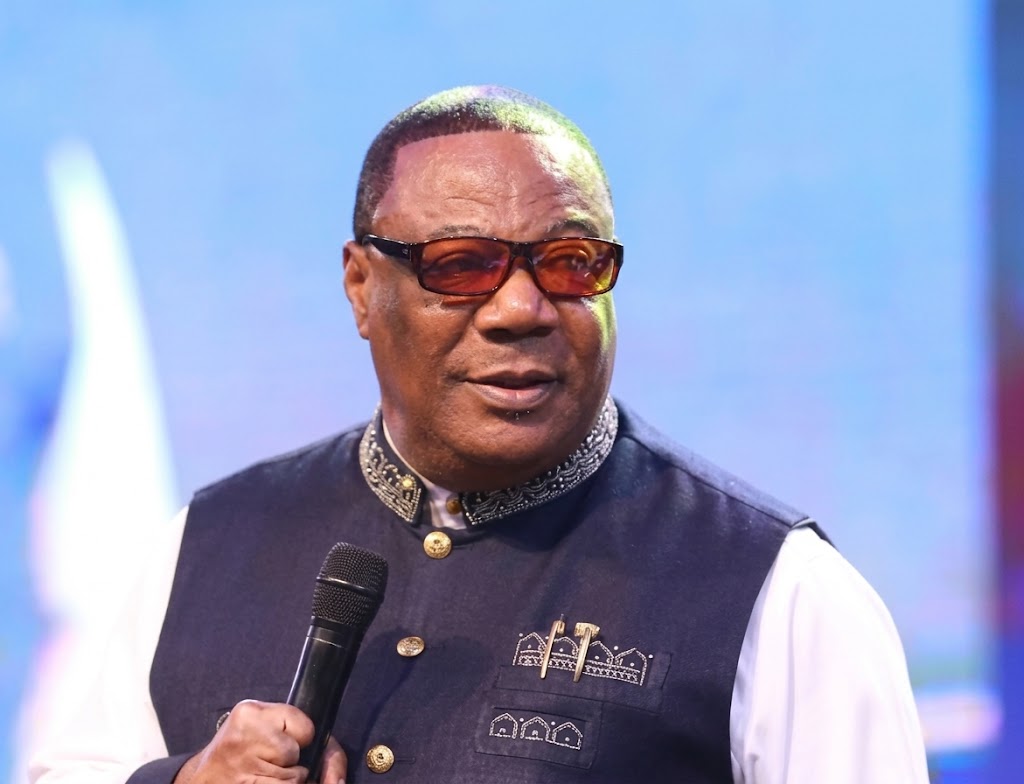
Archbishop Nicholas Duncan-Williams has expressed frustration over the stalled construction of Ghana’s National Cathedral, blaming the situation partly on the failure of Christians to unite and financially support the project.
Speaking at Action Chapel International, the founder and general overseer said Ghana’s Christian community could have completed the cathedral through collective contributions without depending heavily on state funding.
Duncan-Williams criticized what he described as selfishness, greed and a lack of genuine commitment among believers, arguing that the project should have been treated as a shared responsibility.
“We are not serious Christians; we are a bunch of selfish, greedy people,” he stated.
The archbishop maintained that Ghana’s large Christian population had enough financial capacity to fund the cathedral if believers had willingly made modest contributions towards its construction.
He suggested that broad-based support from churches and individual Christians could have prevented the project from becoming dependent on public resources and political decisions.
Duncan-Williams compared the situation to biblical accounts of the construction of the Tabernacle and the Temple in ancient Israel. He noted that members of the community willingly contributed their possessions and resources when called upon to support those religious projects.
According to him, that spirit of collective sacrifice and generosity has been missing from Ghana’s approach to the National Cathedral.
He also expressed disappointment that the project had become deeply politicized. Instead of serving as a symbol of unity and national faith, the cathedral became the subject of partisan disagreements, questions over expenditure and demands for greater financial accountability.
The proposed National Cathedral has faced sustained public criticism over the use of state funds, transparency concerns and the failure to complete significant construction despite money already committed to the project.
Duncan-Williams suggested that direct funding by Christians could have protected the initiative from political controversy and reduced the pressure placed on the national budget.
He argued that a project intended to represent the Christian faith should not depend entirely on the government or become associated with any political party.
The archbishop therefore called for greater unity and self-reliance among Ghanaian Christians, urging believers to demonstrate their commitment through practical financial support.
He said the number of Christians in the country meant that the project could have been completed if each person had contributed even a relatively small amount.
His comments have added another perspective to the ongoing national discussion about the future of the cathedral, the source of funding required to complete it and the accountability mechanisms needed to restore public confidence in the project.
The National Cathedral was envisioned as a major national monument and a venue for religious activities, state ceremonies and cultural events. However, its construction has remained stalled amid financial constraints, political disagreement and public scrutiny.
Duncan-Williams maintained that Christians must take greater responsibility if they genuinely want the cathedral completed, rather than allowing political divisions and individual interests to derail the initiative.
Source: Omanghana