Omanghana
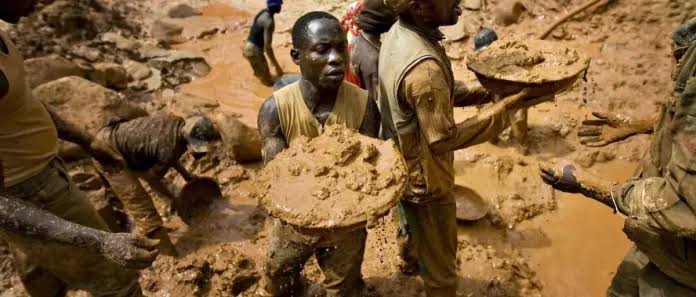
The European Union (EU) has warned that illegal small-scale mining, popularly known as galamsey, is undermining development investments in Ghana, threatening environmental protection efforts and weakening initiatives aimed at improving the lives of local communities.
The warning was delivered by the Deputy Head of the European Union Delegation to Ghana, Jonas Claes, during the public launch of three Gold for Good baseline studies on November 5, 2026.
Claes expressed concern that the environmental destruction and social consequences associated with illegal mining are frustrating important EU-supported development programs across the country.
He explained that galamsey activities are affecting projects in key sectors, including sustainable agriculture, water and sanitation, security, and forest conservation. These challenges, he noted, threaten the long-term impact of investments intended to promote sustainable development and improve living conditions in Ghana.
The EU representative also disclosed that the European Union and its member states have intensified their efforts to address illegal mining, marking a significant shift from their previous approach.
According to him, three to four years ago, the issue was often considered politically sensitive and too complex to address directly. However, the growing environmental and economic consequences have made stronger engagement with Ghanaian authorities necessary.
Claes welcomed recent government interventions to combat the menace, particularly the revocation of the Legislative Instrument that permitted mining activities in forest reserves and the establishment of the National Anti-Illegal Mining Operations Secretariat (NAIMOS).
He described cooperation between Ghana and its international development partners as essential to achieving meaningful progress in the fight against illegal mining.
The EU, however, stressed that the effectiveness of anti-galamsey interventions should not be measured solely by government policies, announcements, or the establishment of institutions.
Instead, the ultimate measure of success must be a significant reduction in illegal mining activities and tangible improvements in the quality of Ghana’s water resources and food supply.
The EU’s position highlights the growing concern that illegal mining is not only an environmental and public health challenge but also a serious threat to Ghana’s development ambitions.
As the country continues its fight against galamsey, stronger enforcement, accountability, and sustained collaboration between government institutions, communities, and international partners will be critical to protecting natural resources and safeguarding development investments.
Source: Omanghana