Omanghana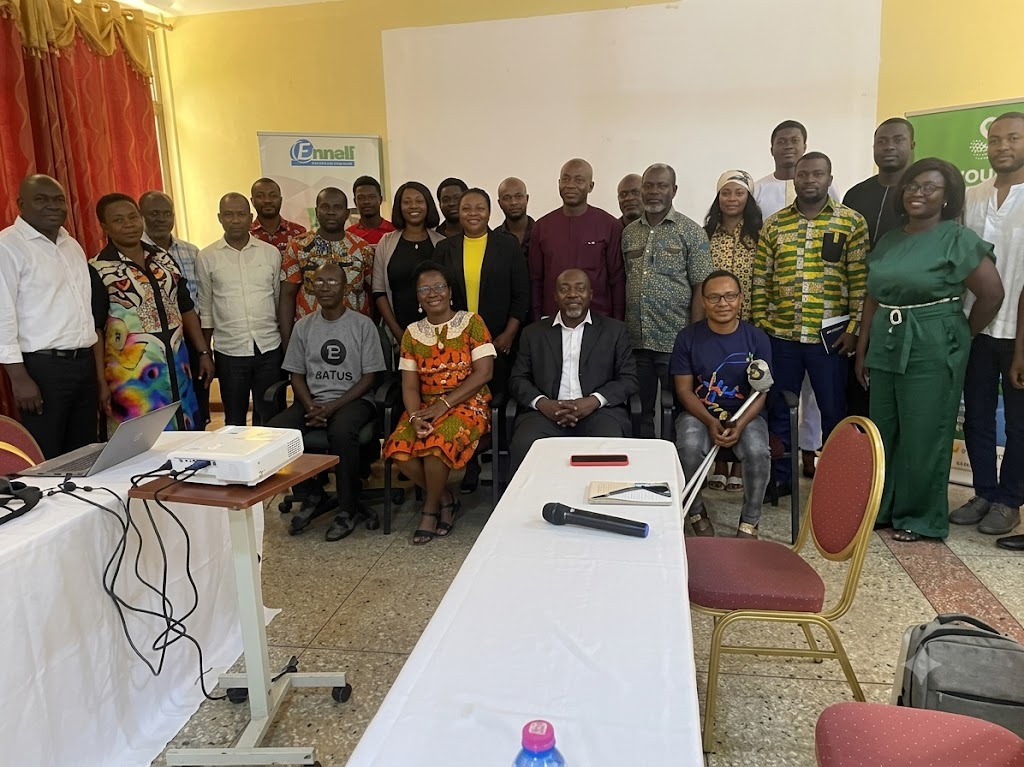
Stakeholders at the Fair Finance Forum have called for stronger regulatory oversight and greater corporate accountability following the validation of an independent report alleging significant environmental degradation and inadequate community engagement at two of Newmont Ghana Gold Limited’s mining operations.
The forum, jointly organized by civil society organizations including Wacam and Oxfam, brought together community representatives, environmental advocates, policymakers, and development partners to review the findings of a study conducted by environmental researcher Dr. Samuel Obiri. The report focuses on Newmont Ghana’s operations at the Ahafo North and Akyem mining projects, raising concerns over environmental protection, compensation for affected residents, and compliance with internationally recognized human rights standards.
Report Highlights Environmental Concerns
According to the report, mining activities at the two sites have resulted in significant environmental challenges that continue to affect nearby communities.
Among the major issues highlighted are allegations of contamination of rivers and other water bodies relied upon by residents for drinking, farming, and other domestic purposes. The report argues that deteriorating water quality has increased pressure on local communities, many of which depend on these natural resources for their livelihoods.
Dr. Obiri’s findings also point to broader concerns over land degradation and the long-term environmental impacts of large-scale mining operations, emphasizing the need for stronger environmental monitoring and more effective mitigation measures.
Participants at the forum stressed that environmental sustainability must remain a central pillar of Ghana’s mining industry, particularly as mineral production continues to expand.
Concerns Over Community Consultation
A key issue raised in the report relates to the principle of Free, Prior and Informed Consent (FPIC), an internationally recognized standard that requires communities to be adequately informed and meaningfully consulted before projects affecting their land, livelihoods, or environment are undertaken.
The report alleges that affected communities were not sufficiently engaged during critical stages of project planning and implementation.
Forum participants argued that meaningful consultation should go beyond statutory requirements and ensure that local residents fully understand the potential social, economic, and environmental implications of mining projects before decisions are made.
They maintained that stronger community participation is essential for reducing conflicts and building trust between mining companies and host communities.
Compensation Practices Questioned
The report also raises concerns about compensation arrangements for individuals and families affected by mining activities.
According to the findings, some residents believe compensation paid for acquired land and disrupted livelihoods does not adequately reflect the economic and social losses suffered by affected households.
Stakeholders at the forum called for compensation frameworks that are transparent, fair, and capable of restoring livelihoods rather than merely providing one-time financial payments.
They emphasized that communities displaced or economically affected by mining should benefit from comprehensive livelihood restoration programmes, skills training, and long-term economic opportunities.
Calls for Stronger Regulatory Enforcement
Participants urged regulatory agencies to strengthen oversight of Ghana’s extractive sector and ensure strict compliance with environmental and social obligations.
They called on institutions responsible for environmental protection and mining regulation to conduct regular inspections, enforce environmental standards, and hold companies accountable where breaches are identified.
Stakeholders argued that effective regulation is necessary not only to protect ecosystems but also to safeguard the rights and welfare of communities living in mining areas.
The forum further recommended greater transparency in environmental reporting, including the public disclosure of water quality monitoring results, environmental audits, and remediation efforts.
Protecting Communities While Promoting Responsible Mining
While acknowledging the important contribution of mining to Ghana’s economy through employment, foreign exchange earnings, and government revenue, participants stressed that economic development should not come at the expense of environmental sustainability or community well-being.
They called for a more balanced approach that ensures mining companies operate responsibly while respecting the rights of host communities and protecting natural resources for future generations.
The validation of the report marks another step in ongoing efforts by civil society organizations to promote responsible mining practices and strengthen dialogue among government, industry, and affected communities.
Stakeholders expressed hope that the report’s recommendations would inform future policy decisions and contribute to improved environmental governance, fair compensation practices, and stronger protections for communities impacted by large-scale mining projects.
Source: Omanghana