Omanghana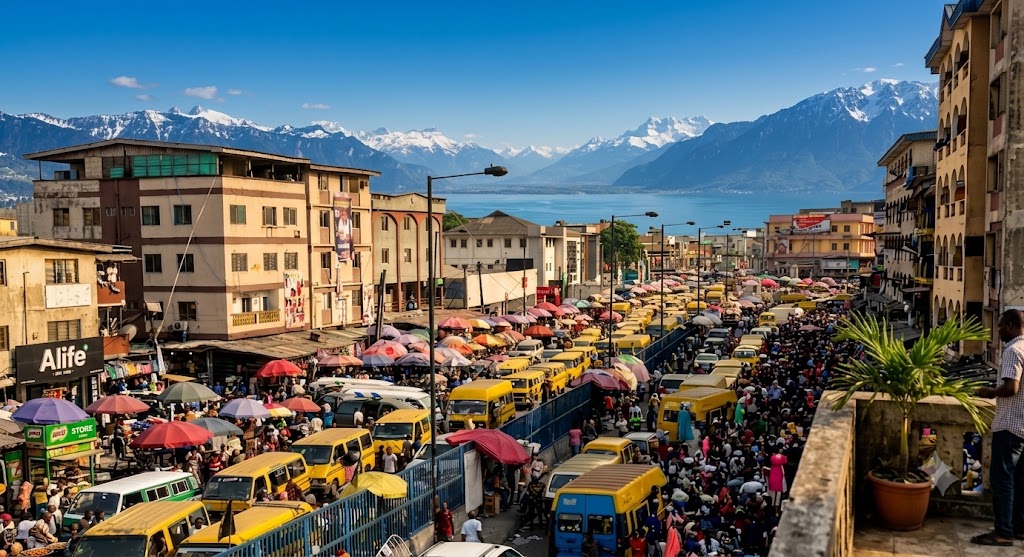
Four African cities—Tripoli (Libya), Algiers (Algeria), Lagos (Nigeria), and Harare (Zimbabwe)—have been ranked among the 10 least livable cities in the world in the 2026 Economist Intelligence Unit (EIU) Global Liveability Index, highlighting persistent challenges facing some of the continent’s largest urban centers.
The annual report assesses 173 cities worldwide, measuring living conditions across 30 indicators grouped into five key categories: stability, healthcare, culture and environment, education, and infrastructure. The rankings are widely used by governments, multinational corporations, and global businesses to evaluate quality of life and the attractiveness of cities for residents and expatriates.
While European cities continue to dominate the top of the rankings, many cities in conflict zones or those grappling with severe economic and infrastructure challenges remain clustered at the bottom.
African Cities Struggle With Longstanding Urban Challenges
According to findings highlighted by Business Insider Africa, the four African cities ranked in the bottom 10 continue to face a combination of structural and socio-economic pressures that have weighed heavily on their liveability scores.
Among the key issues identified are:
- Rapid urban population growth that has outpaced public infrastructure development.
- Underfunded healthcare systems struggling to meet growing demand.
- Aging or inadequate transport, water, sanitation, and electricity infrastructure.
- Economic instability and high unemployment.
- Security concerns and political uncertainty in some regions.
These factors have collectively reduced residents’ quality of life while increasing pressure on already stretched public services.
Breakdown of the African Cities
Tripoli, Libya
Tripoli remains one of the lowest-ranked cities largely due to years of political instability and security challenges following prolonged conflict. Although parts of the city have experienced periods of relative calm, ongoing governance issues continue to affect public services, infrastructure investment, and economic recovery.
Algiers, Algeria
Algiers was also listed among the world’s least livable cities despite being one of North Africa’s largest capitals. The report points to infrastructure deficiencies, public service constraints, and broader economic pressures that continue to affect everyday living standards.
Lagos, Nigeria
Africa’s largest city by population continues to face enormous urban planning challenges.
Home to more than 20 million residents, Lagos struggles with chronic traffic congestion, housing shortages, overstretched healthcare facilities, unreliable public utilities, and inadequate transportation networks. Rapid population growth has intensified pressure on existing infrastructure despite ongoing investment projects.
Harare, Zimbabwe
Zimbabwe’s capital also featured in the bottom 10 rankings as economic difficulties, aging infrastructure, healthcare challenges, and inconsistent public services continue to impact residents.
Years of economic instability have affected municipal service delivery, while infrastructure maintenance has struggled to keep pace with growing urban demands.
Global Rankings Reflect Broader Crises
The African cities share the bottom tier with several cities experiencing armed conflict or severe economic hardship.
According to the EIU rankings, the other cities in the world’s bottom 10 include:
- Damascus, Syria (173rd)
- Tehran, Iran
- Kyiv, Ukraine
- Port Moresby, Papua New Guinea
- Karachi, Pakistan
- Dhaka, Bangladesh
Many of these cities have seen their scores affected by ongoing wars, political instability, inflation, security concerns, or deteriorating public infrastructure.
Damascus once again ranked as the least livable city in the world, reflecting the continued impact of more than a decade of conflict on the country’s economy, healthcare system, and public services.
Copenhagen Tops the Global Rankings
At the opposite end of the index, Copenhagen, Denmark, claimed the title of the world’s most livable city in 2026, benefiting from outstanding scores in stability, healthcare, education, environmental quality, and infrastructure.
The highest-ranked cities continue to be concentrated in Europe, Australia, New Zealand, and parts of Asia, where sustained investment in public services, transportation, healthcare, and education has helped maintain consistently high living standards.
Why the Rankings Matter
The Economist Intelligence Unit’s Global Liveability Index is regarded as one of the world’s leading assessments of urban quality of life. Beyond serving as a benchmark for expatriate living conditions, the report provides policymakers and investors with valuable insight into the strengths and weaknesses of cities across the globe.
For many African cities, the 2026 rankings underscore the urgent need for greater investment in healthcare, transportation, housing, public utilities, and urban planning. As populations continue to grow rapidly across the continent, experts say improving infrastructure, strengthening governance, and expanding essential public services will be critical to enhancing the quality of life for millions of urban residents.
Source: Omanghana