Omanghana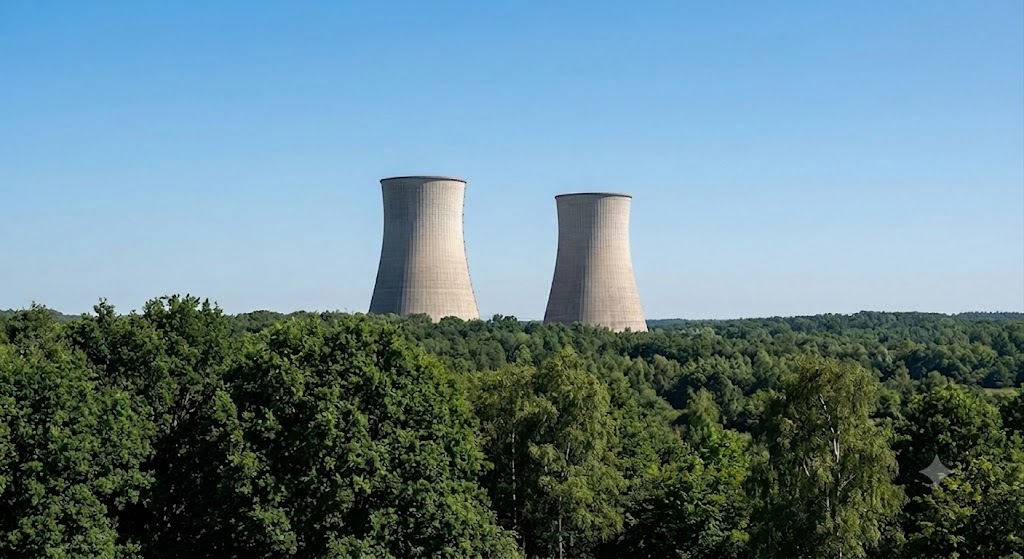
France’s state-owned electricity company, Électricité de France (EDF), has temporarily shut down three nuclear reactors and reduced the output of several others as an intense heatwave pushes river temperatures to critical levels.
The measures come as France experiences its third major heatwave since May, with temperatures climbing as high as 41°C (105.8°F) across large parts of the country.
According to EDF, the operational adjustments are not related to reactor safety but are necessary to comply with environmental regulations designed to protect rivers and aquatic ecosystems.
Why the Reactors Are Being Shut Down
France’s nuclear power plants rely on water from nearby rivers to cool their reactors. After the cooling process, the warmed water is returned to the rivers.
During periods of extreme heat, river temperatures are already unusually high. Releasing additional warm water could raise temperatures beyond legally permitted limits, posing a threat to fish and other aquatic life.
To prevent environmental damage, EDF has reduced operations at several facilities until river conditions improve.
Reactors Taken Offline
The shutdowns have removed approximately 3.65 gigawatts (GW) of generating capacity from France’s electricity network, representing around 6% of the country’s 61GW nuclear fleet.
The affected reactors include:
- Golfech Nuclear Power Plant – Unit 2 (1,300 MW): Located on the Garonne River, the reactor is expected to remain offline until at least July 22.
- Chooz Nuclear Power Plant – Unit 2 (1,450 MW): Situated along the Meuse River, the unit is scheduled to stay offline until at least July 25.
- Bugey Nuclear Power Plant – Unit 3 (900 MW): Located on the Rhône River, operations are expected to resume no earlier than July 19.
In addition to the shutdowns, EDF has reduced electricity production at seven to eight other reactors, including units at the Nogent-sur-Seine nuclear power station, to remain within environmental discharge limits.
Power Grid Under Pressure
Although the temporary closures have reduced electricity generation, EDF has emphasized that there are no nuclear safety concerns associated with the heatwave.
The company said the reactors can safely withstand high temperatures while operating at reduced capacity or remaining offline.
However, the loss of generation has increased pressure on France’s electricity system and contributed to higher power prices across European energy markets.
Government Grants Temporary Environmental Exemption
To help maintain electricity supplies, the French government has introduced emergency measures.
The Economy Ministry issued a temporary exemption allowing the Bugey Nuclear Power Plant to discharge warmer cooling water into the Rhône River beyond the usual environmental limits until July 20.
Officials said the waiver is intended to support grid stability while balancing environmental protection with national energy security.
France Turns to Electricity Imports
Traditionally one of Europe’s largest exporters of nuclear-generated electricity, France has temporarily increased electricity imports to offset reduced domestic production.
Spain has become a key supplier, with French grid operators relying on Spanish wind and solar power to help meet electricity demand during the heatwave.
Climate Change Raises Long-Term Challenges
The latest shutdowns mark the second time in recent weeks that extreme weather has disrupted France’s nuclear power generation.
In response to growing climate-related risks, EDF has unveiled an €8.7 billion climate adaptation plan to strengthen the resilience of its nuclear fleet over the next 15 years.
The investment will focus on modernizing cooling systems and developing technologies that lower the temperature of discharged cooling water before it is released into rivers. One such system is already being tested at the Civaux Nuclear Power Plant.
EDF says these upgrades are intended to help its reactors continue operating during increasingly frequent heatwaves while minimizing environmental impacts and protecting France’s long-term electricity supply.
Source: Omanghana