Omanghana
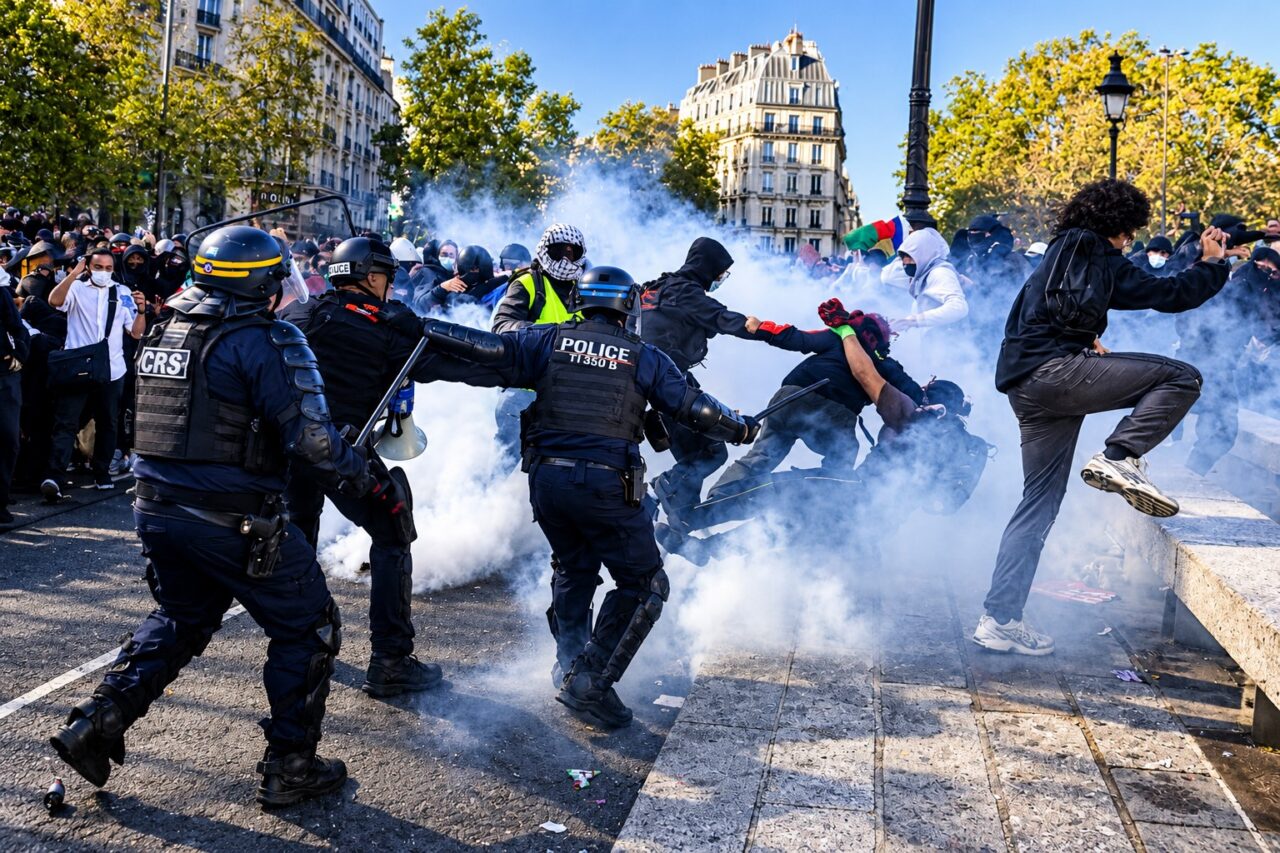
Unrest in France has become the focus of a political dispute over immigration, despite the demonstrations originating in concerns about education funding and living costs.
The protest movement began in September 2026, when high school students demanded action over deteriorating classrooms, teacher shortages and inadequate school resources. Labour unions and other members of the public later joined, broadening the demonstrations to include frustration over fuel prices and household expenses.
Most participants reportedly demonstrated peacefully. However, violence during the weekend of October 17 saw masked groups loot businesses, damage property and clash with police.
The disturbances prompted several political figures in France and abroad to blame immigration, although the accounts presented have not established that immigrant communities were responsible for organising or driving the violence.
In the United States, Donald Trump and JD Vance linked the unrest to migration while arguing for tighter border controls ahead of the midterm elections. Their remarks shifted attention from the protesters’ demands towards immigration and national security.
In France, Marine Le Pen and Jordan Bardella used the disturbances to criticise the government’s handling of public order. Their references to offenders from suburban neighbourhoods also intensified debate about immigration, integration and policing.
Some of the original student demonstrations emerged in economically disadvantaged areas, including Seine-Saint-Denis, where many residents have immigrant backgrounds. However, the demographic composition of a neighbourhood does not establish who committed offences during a protest.
Critics of the immigration narrative argue that it conflates the diverse student movement with those responsible for vandalism and attacks. They say this risks obscuring the education and economic grievances that brought demonstrators onto the streets.
French authorities have instead attributed the violence to a mixture of far-left activists, anarchists and opportunistic looters accused of exploiting the demonstrations. President Emmanuel Macron and law enforcement officials have distinguished those involved in criminal acts from peaceful protesters.
Damage to public buildings, including the historic city hall in Limoges, has heightened pressure on the government to restore order while responding to the concerns behind the demonstrations.
The unrest has consequently become both a domestic challenge over public services and living standards and an international political argument about migration. Claims assigning collective responsibility to immigrant communities remain unsupported by the evidence described.
Source: Omanghana