Josiah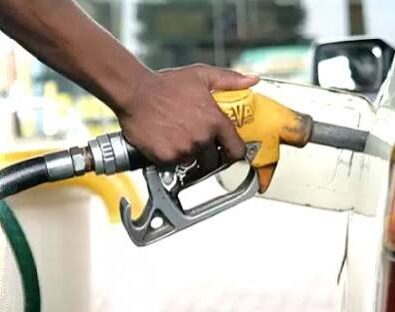
Fuel prices in Ghana are expected to go up slightly from Tuesday, September 1, 2026, with petrol, diesel and liquefied petroleum gas (LPG) all projected to record increases.
The Chamber of Petroleum Consumers Ghana (COPEC) says the expected rise is mainly due to changes in the international prices of refined petroleum products, even though the Ghana cedi has recently gained strength against the US dollar.
According to COPEC, the average price of petrol could increase from the current GH¢15.43 per litre to about GH¢16.21.
That would amount to an estimated 5 percent increase, which could raise transportation and other costs if oil marketing companies adjust their pump prices accordingly.
Diesel Prices Also Expected to Rise
Diesel is also expected to become more expensive.
COPEC projects an average price of about GH¢17.61 per litre, compared with the current average of GH¢17.17.
This represents an estimated increase of 2.58 percent.
LPG Prices Could Increase
LPG prices are also expected to rise during the next pricing window.
COPEC estimates that LPG could sell at around GH¢14.19 per kilogramme.
The increase could add to the cost of cooking for households and increase operating expenses for businesses that rely on LPG.
Cedi Appreciation Offers Some Relief
The expected fuel price increases come despite a decline in crude oil prices and a stronger Ghana cedi—two factors that would normally help ease pressure on prices at the pumps.
COPEC said crude oil prices dropped from US$90.41 to US$89.30 per barrel during the current pricing window.
Over the same period, the Ghana cedi strengthened against the US dollar, with the average interbank exchange rate moving from GH¢11.800 to US$1 at the beginning of the window to GH¢11.5166 at the end.
This represents an appreciation of about 2.39 percent.
Despite these positive developments, COPEC said changes in the Free-On-Board (FOB) prices of refined petroleum products are expected to drive fuel prices higher in the next pricing window.
The actual prices consumers will pay from September 1 will, however, depend on the adjustments announced by individual oil marketing companies