Omanghana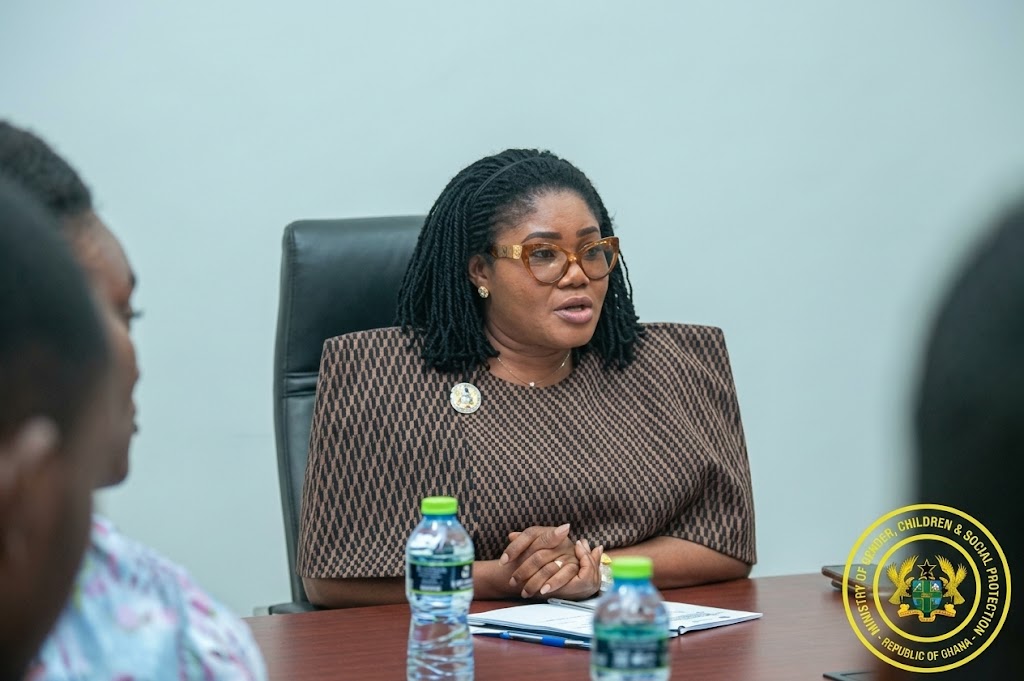
Ghana’s Ministry of Gender, Children and Social Protection has intensified consultations with key stakeholders as part of efforts to combat witchcraft accusations and protect vulnerable women across the country.
Sector Minister Dr. Agnes Naa Momo Lartey is leading the initiative, which seeks to strengthen legal protections, expand social support and address the cultural beliefs that continue to fuel accusations of witchcraft.
The Ministry recently held high-level discussions with representatives of civil society and research institutions, including the Executive Director of the Sanneh Institute, Rev. Prof. John Azumah. The engagement focused on developing a coordinated national response to witch-hunting and related human rights abuses.
A major priority is accelerating the passage of the Criminal Offences (Amendment) Bill, widely referred to as the Anti-Witchcraft Bill. The proposed legislation seeks to criminalize witchcraft accusations, witch-hunting and abuses committed against people suspected of practicing witchcraft.
The Ministry is also drawing attention to the conditions faced by women living in makeshift settlements commonly described as “witch camps” in northern Ghana. Communities such as Gambaga, Kukuo and Gnani continue to accommodate elderly and marginalized women who have been forced from their homes following accusations.
Many of the affected women remain in the settlements because returning to their communities could expose them to renewed violence, discrimination and social rejection.
As part of the broader intervention, the Ministry plans to work closely with traditional leaders, faith-based organizations, human rights groups and community authorities. The collaboration is intended to challenge entrenched beliefs and superstitions while promoting respect for the dignity and rights of accused persons.
Government is also exploring measures to strengthen social protection for affected women. These include expanding access to the Livelihood Empowerment Against Poverty program, the National Health Insurance Scheme and other essential welfare services.
Safe reintegration into their original communities is another major focus. However, officials have stressed that such efforts must be carefully managed to ensure that survivors are accepted and protected from further abuse.
The Ministry’s campaign combines legislation, public education, social protection and community engagement to tackle the practice comprehensively.
A broadcast report on the government’s anti-witchcraft campaign also documents the Gender Minister’s visits to northern settlements and her assessment of the living conditions of accused women at the Gambaga camp.
Source: Omanghana