Omanghana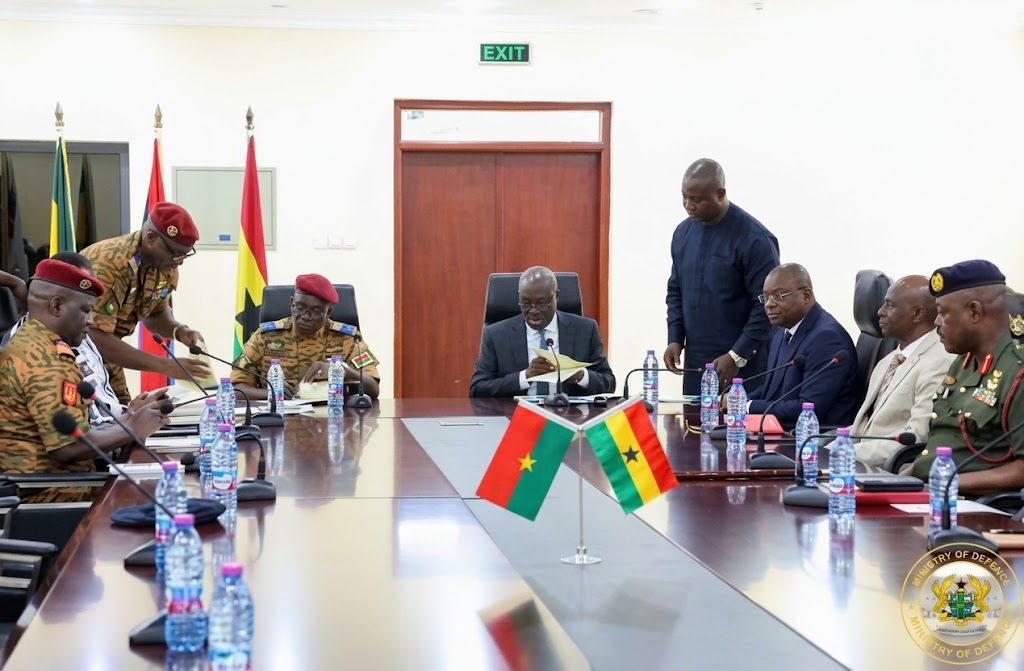
A new defense cooperation agreement between Ghana and Burkina Faso is facing questions from tomato traders over whether it can provide adequate protection along dangerous commercial routes threatened by armed groups.
The agreement, signed in Accra on August 10, 2026, seeks to protect cross-border trade as insecurity in Burkina Faso continues to disrupt the movement of food and other essential goods into Ghana.
Ghana’s Acting Defense Minister, Dr. Cassiel Ato Forson, signed the pact with Burkina Faso’s Minister of War, Major General Célestin Simporé.
Under the agreement, the two countries will introduce armed escorts for commercial convoys travelling through high-risk areas. It also provides for joint mechanized patrols, intelligence sharing and coordinated aerial surveillance along strategic highways.
The initiative follows a deadly attack in northern Burkina Faso in February 2026 that claimed the lives of eight Ghanaian tomato traders.
The incident prompted Ghana to temporarily suspend tomato imports from Burkina Faso, disrupting supplies and causing prices to rise sharply in local markets. It also exposed the vulnerability of a supply chain on which thousands of traders, transporters and consumers depend.
Burkina Faso remains one of Ghana’s most important sources of fresh tomatoes, particularly during periods when domestic production is unable to meet demand. Persistent militant violence, however, has made journeys to major farming communities increasingly dangerous.
Despite the signing of the agreement, the Ghana National Tomato Traders and Transporters Association has expressed concern about how the proposed security measures will work in practice.
The association’s chairman, Eric Osei Tuffuor, said traders had not received adequate information from either government about convoy schedules, assembly points, security procedures or the areas that would be covered.
Several of Burkina Faso’s leading tomato-producing communities are located in zones already considered security hotspots. Traders therefore remain uncertain about whether military escorts will be sufficient to make travel into those areas safe.
There are also concerns that heavily guarded commercial convoys could become prominent targets for militant organizations operating in the region, including the Al-Qaeda-linked Jama’at Nusrat al-Islam wal-Muslimin, commonly known as JNIM.
Questions have additionally been raised about Burkina Faso’s capacity to maintain regular escorts while its armed forces are already engaged in counterinsurgency operations on several fronts.
A reliable convoy system would require sufficient troops, armored vehicles, fuel, intelligence capabilities and aerial support. Any delays or gaps in protection could leave traders stranded or exposed along remote sections of the journey.
The agreement represents an attempt by both governments to prevent insecurity from damaging regional commerce and worsening food inflation. Its success, however, will depend on effective implementation, sustained funding and close consultation with the traders and transporters expected to use the protected routes.
Until those operational details are clearly communicated, many traders are likely to remain cautious about returning to Burkina Faso’s most dangerous tomato-producing areas, even under military protection.
Source: Omanghana