Omanghana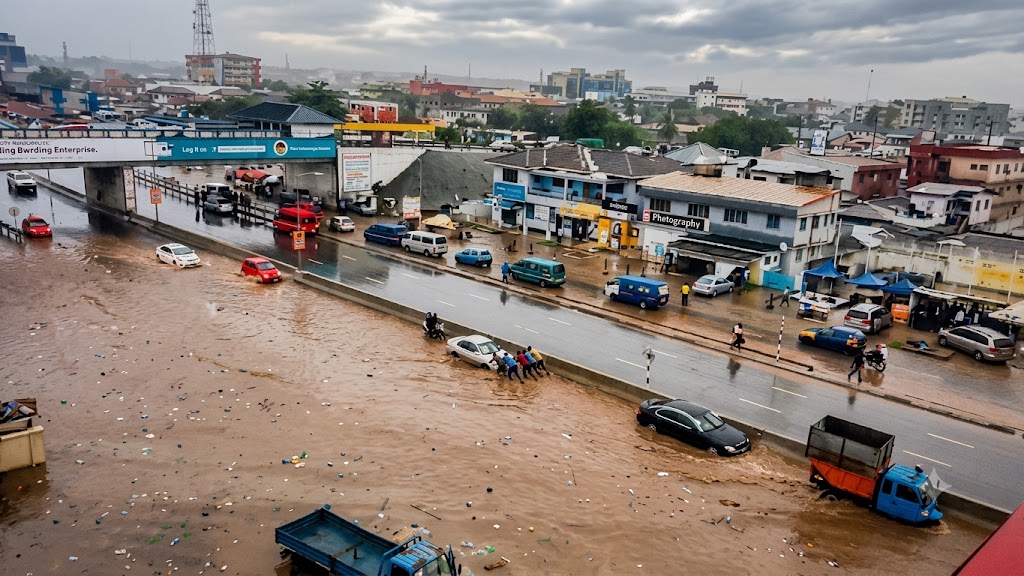
The Ghana Health Service (GHS) has confirmed that no cholera outbreak has been recorded in the aftermath of the devastating nationwide floods that struck the country on June 29.
The announcement was made by the Director-General of the Ghana Health Service, Dr. Samuel Kaba Akoriyea, during a public disinfection and containment exercise held on Saturday, July 11, 2026.
Health Authorities Remain on High Alert
Although no cholera cases have been reported, the GHS has cautioned that conditions created by the floods—including stagnant water, blocked drainage systems, and accumulated waste—have significantly increased the risk of waterborne diseases.
To minimize the threat of potential outbreaks, the health service has activated a series of preventive public health measures across affected communities.
Nationwide Disinfection Campaign Underway
As part of its response, the GHS, in collaboration with metropolitan, municipal and district assemblies as well as sanitation service providers, including LCB Worldwide, has launched a large-scale fumigation and disinfection campaign.
The exercise is targeting markets, transport terminals, public spaces, and communities affected by the floods to reduce the risk of disease transmission.
Hospitals Prepared for Possible Cases
The Ghana Health Service has also strengthened its emergency preparedness by identifying and equipping designated healthcare facilities across the Greater Accra Region to respond quickly should any suspected cholera cases emerge.
According to health officials, the preparedness plan is intended to ensure rapid detection, isolation, and treatment if infections are reported.
Integrated With National Cleanup Exercise
The disinfection campaign has been coordinated with the government’s two-day emergency national cleanup exercise, which was launched to clear drains, remove waste, and improve environmental sanitation following the floods.
Health authorities believe combining sanitation activities with disease prevention efforts will help reduce the likelihood of outbreaks in flood-affected communities.
GHS Urges Public to Maintain Preventive Measures
Dr. Akoriyea stressed that preventing a cholera outbreak remains the most effective strategy, noting that managing widespread infections would place significant pressure on the country’s healthcare system.
The Ghana Health Service is advising the public to continue observing basic hygiene practices, including:
- Drinking only treated or boiled water.
- Washing hands regularly with soap under clean running water.
- Practicing proper food hygiene.
- Seeking immediate medical attention if symptoms such as severe diarrhea or persistent vomiting develop.
The GHS says it will continue monitoring the situation closely while working with local authorities to safeguard public health in the wake of the recent flooding.
Source: Omanghana