Omanghana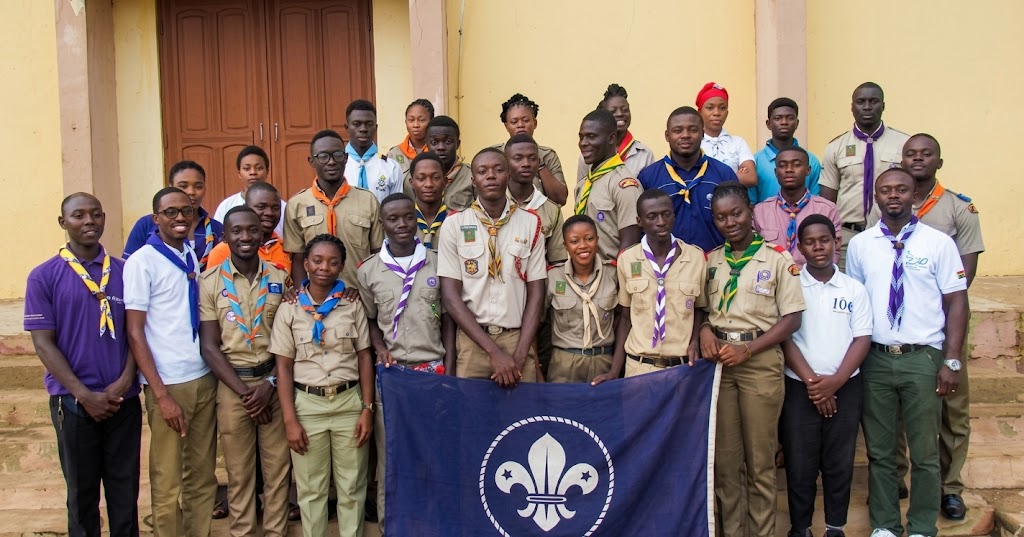
The Ghana Scout Association has taken steps to strengthen its institutional safeguarding systems as part of efforts to protect young people, volunteers and other participants from abuse, discrimination and preventable harm.
The initiative was organized under the Association’s Safe from Harm Capacity Enhancement Project, with support from the World Organization of the Scout Movement through its Messengers of Peace program.
It seeks to ensure that safeguarding becomes an integral part of everyday scouting activities across Ghana rather than a measure introduced only after an incident has occurred.
Scout Leaders Equipped to Identify and Prevent Harm
The capacity-building program brought together regional coordinators, scout leaders, volunteers and Youth Advisors for training in safeguarding principles and practices.
Participants were equipped with the knowledge and tools required to identify potential risks, prevent abuse and respond appropriately when welfare concerns arise.
The training covered situations that may occur during camps, leadership programs, training sessions, community projects and other activities involving children and young people.
The Association wants every scouting unit to understand its responsibility to provide an environment in which participants are physically and emotionally secure.
Respect and Dignity Placed at Centre of Scouting
The safeguarding strategy emphasizes the right of every young person to be treated with respect and dignity.
Participants should be able to express their views, report inappropriate conduct and raise concerns without fear of humiliation, discrimination, retaliation or dismissal.
The involvement of Youth Advisors is intended to ensure that young people contribute directly to the policies and decisions affecting their safety.
By including their perspectives, the Association hopes to develop safeguarding procedures that reflect the actual experiences and concerns of young participants.
Young People Empowered to Understand Their Rights
The initiative moves beyond treating young people solely as beneficiaries of protection.
Scouts are being trained to recognize inappropriate behavior, understand their rights and identify the appropriate channels for reporting suspected abuse or misconduct.
They are also being encouraged to participate in creating safer and more inclusive environments within their local groups.
The approach reflects the wider educational mission of scouting, which seeks to develop confident, responsible and socially conscious young leaders.
Experts Lead Safeguarding Training
The program was facilitated by World Organization of the Scout Movement consultant Eric Mwenda Gitonga from Kenya.
He was supported by senior Ghana Scout Association officials, including National Safe from Harm Coordinator Prince Akese, National Youth Program Commissioner Shaibu Fenteduah Fuseini and National Training Commissioner Holly Boadi.
Their sessions focused on risk identification, prevention, reporting procedures, institutional accountability and the responsibility of adult leaders to protect every participant.
The facilitators also emphasized that safeguarding must be consistently applied across all levels of the Association, from local scout groups to regional and national structures.
GSA Seeks Proactive Safeguarding Culture
The Ghana Scout Association plans to integrate Safe from Harm standards into the routine management of camps, training programs and community activities.
This requires leaders and volunteers to assess risks before programs begin, establish clear reporting systems and take immediate action when concerns are raised.
The Association believes that safeguarding should not be viewed as an isolated policy or emergency response mechanism. Instead, it must become a mandatory daily standard guiding relationships, decisions and program delivery.
Through the capacity-enhancement project, the GSA hopes to create a scouting movement in which young people can learn, serve and develop leadership skills without being exposed to abuse, intimidation or discrimination.
Source: Omanghana