Omanghana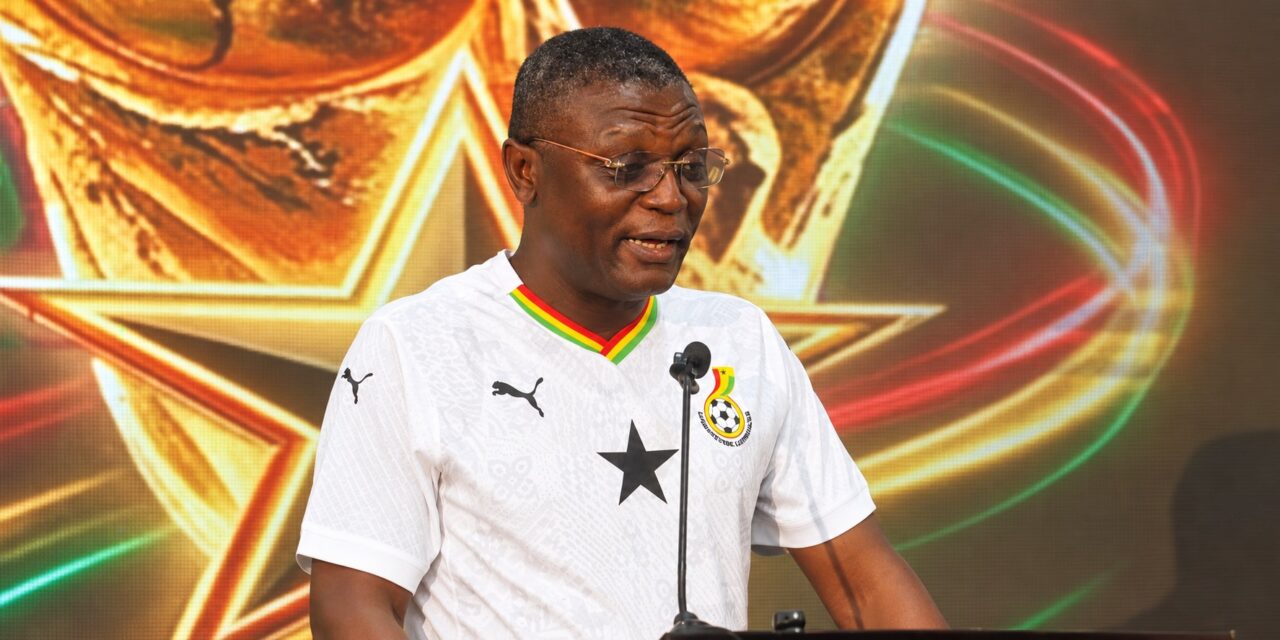
The Ministry of Sports and Recreation has disclosed that Ghana spent approximately $1.26 million to procure 2,922 tickets for the Black Stars’ matches at the 2026 FIFA World Cup.
Sports and Recreation Minister Kofi Adams revealed the expenditure when he appeared before Parliament’s Youth and Sports Committee on Thursday, September 17, 2026.
According to the minister, the tickets covered Ghana’s three group-stage fixtures against Panama, England and Croatia. The ministry secured 948 tickets for the Panama match, 1,000 for the encounter with England and another 974 for the game against Croatia.
The overall expenditure translates into an average of about $431 per ticket, although the actual prices varied according to seating category and the particular match.
Adams explained that the final amount included a 10 per cent administrative charge authorized by FIFA and added to the face value of each ticket.
For Ghana’s match against Panama, the ministry purchased 100 Category One tickets with a face value of $450 each. After the administrative charge, the cost increased to $495 per ticket.
The allocation for the England fixture also included 100 Category One tickets. Each had a face value of $600 and cost $660 after the additional charge.
For the Croatia match, the ministry purchased 100 Category One tickets at a face value of $500 each, rising to $550 after the 10 per cent administrative fee.
Other tickets were acquired under FIFA classifications including supporter premium, supporter standard, supporter value and supporter entry. Each category carried a different price based on seat location and match demand.
The sports minister said the tickets were not acquired for commercial resale. They were allocated to several groups connected to Ghana’s participation in the tournament.
Beneficiaries included members of the Ghana Supporters Union, Ghanaians living abroad, the Ghana Students Association, Ghana’s diplomatic missions in the United States and Canada, the official government delegation and selected officials of the Ghana Football Association.
Adams told the parliamentary committee that the initial plan was to distribute more than 800 tickets to supporters travelling from Ghana. However, visa-processing difficulties reportedly prevented some intended beneficiaries from making the journey.
The ministry consequently increased the allocation to Ghanaians already living in the World Cup host countries, particularly the United States and Canada.
“The decision was taken that we will give many more of the tickets to Ghanaians who are already in the diaspora to be able to pay,” Adams explained.
The disclosure has renewed public discussion about the financial cost of Ghana’s participation in major international competitions. Questions are expected to focus on the identities and categories of beneficiaries, the number of complimentary tickets distributed and whether all payments from recipients were properly recorded.
World Cup participation typically involves expenses beyond the national team’s direct preparation. Governments and football authorities must account for transportation, accommodation, security, logistics, protocol, medical services, supporter mobilization and official delegations.
However, the use of public funds for match tickets often attracts scrutiny, particularly when large allocations are made to officials, organizations or individuals without a publicly available list of beneficiaries.
Calls for transparency have therefore grown around the need for the ministry to publish a complete breakdown of the tickets, their individual prices and the institutions or groups that received them.
Such disclosure would also clarify how many recipients paid for their tickets, how much was recovered and whether any portion of the $1.26 million remained a direct cost to the state.
Supporters of organized fan participation argue that a strong Ghanaian presence in stadiums can boost the morale of the national team and promote the country internationally. Critics, however, maintain that supporter mobilization must be conducted under transparent guidelines to prevent political patronage and waste.
The revelation comes as the government faces demands for a fuller account of the total expenditure associated with Ghana’s 2026 World Cup campaign.
The ministry’s appearance before Parliament provides an opportunity for lawmakers to assess whether the ticket procurement process delivered value for money and whether adequate safeguards were applied to distribution.
Source:Omanghana