Omanghana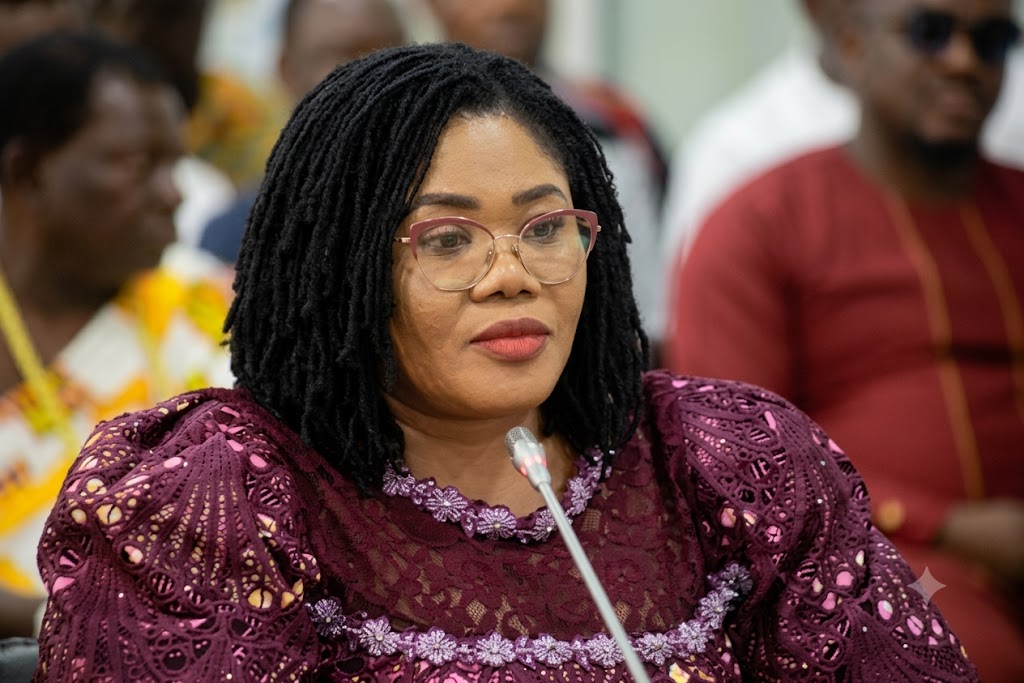
The Government of Ghana has temporarily suspended its nationwide operations aimed at removing foreign children from the country’s urban streets, citing financial constraints that have affected the sustainability of the initiative.
The announcement was made by the Minister for Gender, Children and Social Protection, Agnes Naa Momo Lartey, during a parliamentary briefing on Wednesday, June 24, 2026. According to the minister, inadequate funding has made it difficult for the ministry and collaborating security agencies to continue conducting regular operations and providing the necessary care for rescued children.
Funding Constraints Stall Ongoing Operations
Mrs. Lartey explained that the temporary suspension is primarily the result of budgetary limitations, which have hindered efforts to maintain the pace of enforcement activities and support services.
She noted that beyond identifying and removing children from the streets, significant resources are required to provide temporary shelter, healthcare, psychosocial support, and coordinated repatriation where necessary.
Government Defends Previous Interventions
Despite the pause in operations, the minister maintained that the government’s earlier interventions had produced meaningful results.
Addressing Parliament, she argued that previous enforcement exercises helped reduce the number of vulnerable children on major streets and prevented the situation from escalating further. While acknowledging that the broader challenge has not been fully resolved, she said the measures implemented so far have had a positive impact in managing the issue.
Long-Term Challenge Involving Cross-Border Networks
The suspension comes amid ongoing efforts by the Ghana Immigration Service (GIS) and social welfare authorities to combat cross-border trafficking networks that allegedly bring women and children from parts of the Sahel region—including Niger, Burkina Faso, and Mali—into Ghana, where some are exploited for street begging.
Officials have described the issue as a complex humanitarian and security challenge requiring coordinated action between immigration authorities, social services, and neighboring countries.
Previous Operations Rescued Hundreds
Recent enforcement campaigns have highlighted the scale of the problem. In April 2026, authorities conducted operations that led to the deportation of 356 West African nationals and the rescue of 606 individuals, including 381 children, from suspected exploitative situations in the Ashanti Region.
Those operations required extensive logistical and welfare support, placing additional pressure on government resources.
Rehabilitation Costs Remain a Major Burden
According to the ministry, one of the most significant challenges is the cost of caring for rescued children after they are removed from the streets. Expenditures related to safe accommodation, medical screening, psychological assessments, and international repatriation have stretched available funding and complicated efforts to sustain large-scale operations.
Government officials have indicated that addressing the issue will require continued collaboration among state institutions, international partners, and neighboring countries to protect vulnerable children while tackling the root causes of cross-border exploitation.
Source: Omanghana