Omanghana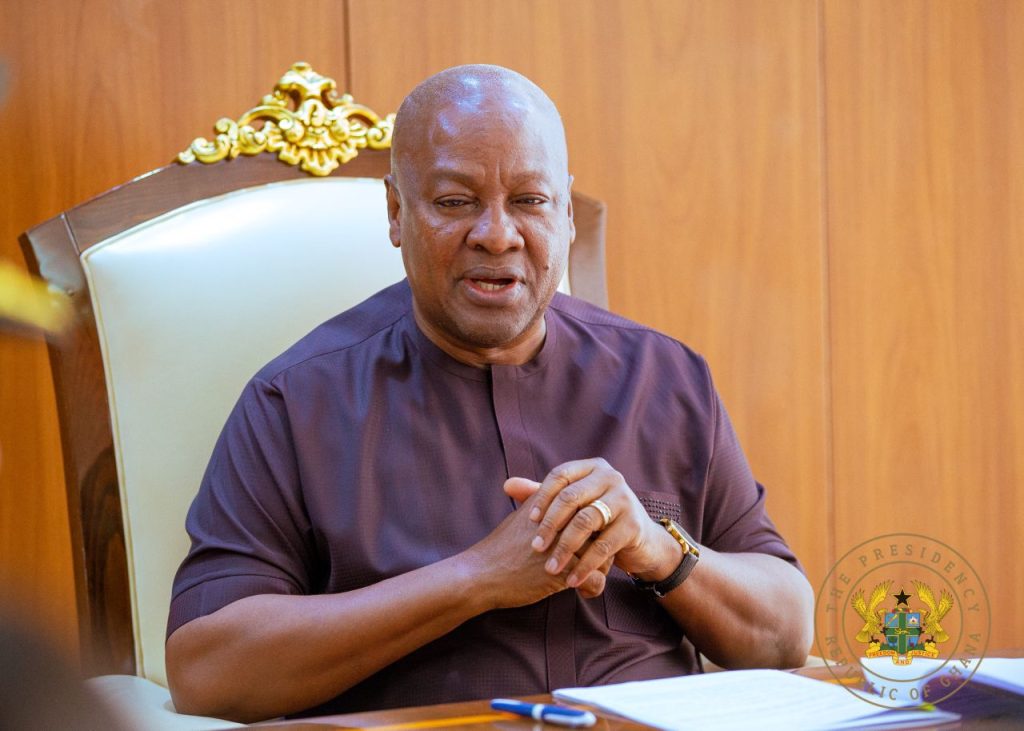
LONDON, United Kingdom — President John Dramani Mahama has announced that Ghana will, for the first time in its history, deliver domestically produced offshore crude oil directly to a local refinery, marking a significant turning point in the country’s energy sector.
Speaking during a diaspora town hall meeting in London, President Mahama revealed that the inaugural shipment of Ghanaian crude will be sent to the Tema Oil Refinery (TOR), ending a longstanding practice in which the country exported crude oil only to import expensive refined petroleum products.
The move is expected to strengthen Ghana’s energy security, reduce dependence on imported fuel, and keep more value within the national economy.
Ghana Expands Domestic Refining Capacity
The government’s strategy for achieving energy self-sufficiency centers on expanding domestic refining through both public and private sector investments.
At the heart of the plan is the revival of the Tema Oil Refinery, Ghana’s state-owned refinery. Following the resumption of operations, TOR is currently processing approximately 28,000 barrels of crude oil per day. Government officials have announced plans to install an additional processing unit that will increase capacity to 45,000 barrels per day, with a long-term target of reaching 60,000 barrels daily.
Complementing TOR’s operations is the privately owned Sentuo Oil Refinery in Tema, which provides additional processing capacity and is expected to play a critical role in refining both Ghanaian crude and regional supplies of light sweet crude oil.
Together, the two facilities are expected to form the backbone of Ghana’s growing downstream petroleum industry.
Plans for New Refineries and the Jomoro Petroleum Hub
The government is also looking beyond existing infrastructure to support future demand.
Deputy Managing Director Edmond Kombat disclosed that authorities are actively seeking investors to finance and construct a new standalone refinery with a processing capacity of 100,000 barrels per day.
The proposed facility forms part of a broader vision that includes the ambitious Jomoro Petroleum Hub project in the Western Region. Valued at approximately $12 billion, the project aims to create one of Africa’s largest integrated petroleum and petrochemical centers, with a projected refining capacity of 300,000 barrels per day by 2035.
If completed as planned, the hub would transform Ghana into a major regional energy-processing and export center.
Reducing Fuel Imports and Protecting the Cedi
Government officials believe domestic refining will provide substantial economic benefits by reducing the country’s reliance on imported petroleum products.
Ghana currently spends an estimated $400 million every month importing refined fuel to satisfy national demand, which averages around 100,000 barrels per day. By refining more crude locally, policymakers expect to significantly reduce fuel import bills and lessen pressure on the country’s foreign exchange reserves.
The strategy is also expected to support the Ghanaian cedi by lowering demand for U.S. dollars used to purchase petroleum products from overseas suppliers.
Economists have argued that expanding local refining could serve as a critical buffer against external shocks in global fuel markets while strengthening Ghana’s overall macroeconomic stability.
Part of a Wider African Energy Transformation
Ghana’s latest move reflects a broader trend across Africa, where resource-rich nations are increasingly seeking to process their natural resources domestically rather than exporting raw commodities.
Across the continent, governments are investing heavily in refining and petrochemical infrastructure to capture greater value from their energy resources.
Nigeria’s Dangote Refinery, with a capacity of 650,000 barrels per day, has emerged as Africa’s largest operational refinery, while Angola continues to expand its refining sector through developments such as the Lobito Refinery project and upgrades to existing facilities in Luanda and Cabinda.
Ghana’s investment in TOR, Sentuo, and future refinery projects positions the country to participate more competitively in this evolving African energy landscape.
New Investment to Boost Crude Production
To ensure adequate crude supply for expanding domestic refining operations, President Mahama also announced that the government has secured approximately $1.5 billion in new upstream investment from Italian energy giant Eni.
The funding will support increased drilling and production activities at the Offshore Cape Three Points (OCTP) field, one of Ghana’s key offshore oil and gas assets.
Officials believe the investment will help sustain crude output while providing the feedstock needed to support the country’s growing refining ambitions.
As Ghana moves toward processing more of its own crude oil at home, the first shipment to Tema Oil Refinery represents more than a symbolic milestone—it signals the beginning of a new chapter in the country’s effort to build an integrated energy industry capable of generating jobs, reducing imports, and strengthening long-term economic resilience.