Omanghana
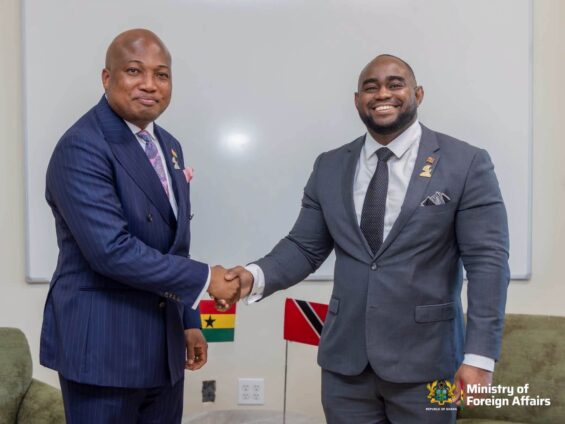
Ghana and Trinidad and Tobago are exploring ways to deepen economic cooperation, attract fresh investments and expand partnerships in the oil and gas sector following discussions between the two countries’ foreign ministers.
Ghana’s Minister for Foreign Affairs, Samuel Okudzeto Ablakwa, met his Trinidad and Tobago counterpart, Sean S. M. Sobers, on the sidelines of the recently concluded Commonwealth Heads of Government Meeting in Antigua and Barbuda.
The discussions focused on strengthening bilateral relations and identifying opportunities for closer cooperation in sectors of mutual interest, particularly energy.
The two countries are seeking to build on their existing relationship by encouraging investment and exploring ways to support growth in their respective oil and gas industries.
Opportunities in Oil and Gas
Trinidad and Tobago has a long history of oil and natural gas production, while Ghana began commercial oil production in 2010. Both countries have an interest in developing their energy resources and ensuring that the sector contributes to economic growth.
Closer cooperation could create opportunities for the countries to share experience in areas such as petroleum management, technical training and the development of local capacity.
The discussions also provide an opportunity to explore connections between businesses and institutions operating in the two countries. Further details of specific projects or investment commitments were not included in the information available about the meeting.
Ghana to Open New High Commission
Ghana is expected to commission a new High Commission in Trinidad and Tobago in 2027 as part of efforts to strengthen diplomatic relations with the Caribbean nation.
William Anani Abotsi has been named Ghana’s first High Commissioner to Trinidad and Tobago. The new mission is expected to support diplomatic engagement and provide another channel for advancing cooperation between the two countries.
Broader Commonwealth Discussions
During the Commonwealth meeting, Ghana also participated in discussions on issues affecting Africa and the wider international community.
These included reforms to the United Nations and the international financial system, as well as artificial intelligence regulation, climate justice, resource sovereignty, reparatory justice and conflict resolution.
Source: Omanghana