Omanghana
Recent court cases involving social media publications and political commentary have renewed debate in Ghana over how to protect freedom of expression while addressing reputational harm and threats to public safety.
At the center of the discussion is Article 21(1)(a) of the 1992 Constitution, which guarantees freedom of speech and expression, including freedom of the press. The Constitution also protects media independence, while recognizing certain restrictions reasonably required to safeguard national security, public order and the rights of others.
A key distinction is whether a disputed publication gives rise to a civil defamation claim or an alleged criminal offence. Ghana repealed its criminal libel and seditious laws in 2001, but provisions concerning false news and electronic communications remain in legislation.
The continued use of these provisions has attracted criticism. In a 2023 World Press Freedom Day lecture, Justice Dennis Dominic Adjei questioned Section 208 of the Criminal Offences Act and Section 76 of the Electronic Communications Act, warning about their implications for freedom of expression.
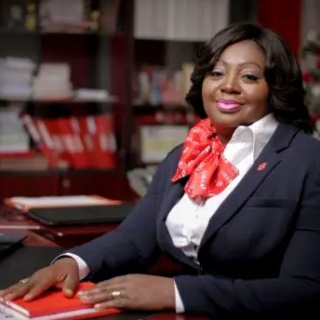
The civil route is illustrated by the lawsuit filed by Ghana Airports Company Limited Managing Director Yvonne Nana Afriyie Opare against Samuel Bryan Buabeng. She is seeking GH¢10 million in general damages over Facebook publications she alleges falsely connected her to narcotics trafficking and abuse of office.
Her requested remedies include deletion of the material, a retraction, an apology and an injunction against further publication. These are claims awaiting determination by the court, rather than established findings against the defendant.
Meanwhile, the prosecution of senior nursing officer Salomey Awiti Baffoe has brought the use of criminal proceedings over online content into sharper focus. Prosecutors allege that she helped recruit people to redistribute videos associated with the “Ghana Jollof” social media account. She has pleaded not guilty.
Her lawyers have challenged her continued detention. In refusing bail on September 24, the High Court cited a risk of interference with witnesses during the ongoing investigation and directed prosecutors to expedite their work. The bail decision does not determine her guilt.
The debate also extends to the independence of broadcasters. Speaking at the 2026 Broadcasters Convention West Africa, Deputy Presidential Spokesperson Shamima Muslim stressed that democratic government requires credible media organizations capable of reporting independently, rather than outlets that consistently support official positions.
That principle is reflected in the Constitution: Article 162 protects media freedom, while Article 163 requires state-owned media to provide opportunities for divergent views and dissenting opinions. Article 164 permits specified, reasonably necessary legal restrictions.
The central challenge is therefore how those protections and restrictions are applied—allowing legitimate complaints to be resolved through lawful processes while preserving the space for scrutiny, disagreement and political criticism.
Source: Omanghana