Omanghana
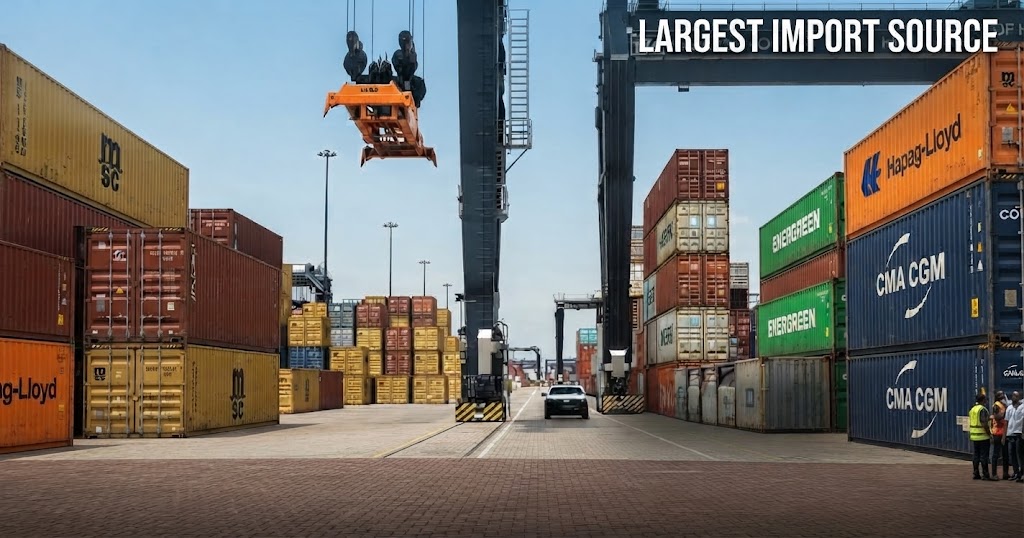
Ghana’s real trade deficit widened to GH¢14.6 billion in the second quarter of 2026, up from GH¢6.2 billion in the preceding quarter, as import volumes increased while exports declined.
Ghana Statistical Service figures show that, measured at constant first-quarter 2021 prices, imports amounted to GH¢41.2 billion against exports of GH¢26.6 billion. This measure removes price changes to provide a clearer picture of movements in trade volumes.
Real imports rose by 20.1 per cent between the first and second quarters, while real exports fell by 5.4 per cent.
At current prices, however, Ghana retained a trade surplus of GH¢13.8 billion. Nominal exports totaled GH¢108.5 billion, exceeding imports of GH¢94.7 billion, although the surplus was substantially smaller than in the first quarter.
The contrasting balances reflect the influence of prices on trade earnings and expenditure. Ghana earned more from exports than it spent on imports at prevailing prices, but recorded a deficit when both were valued using the fixed 2021 price benchmark.
Higher import quantities were accompanied by rising costs. Import prices increased by 22.7 per cent quarter-on-quarter, with fuel prices climbing by 54.1 per cent. Together, increased volumes and prices pushed the nominal import bill up by 47.5 per cent.
Export prices rose by 4 per cent over the same period, but the decline in export volumes resulted in a 1.6 per cent fall in nominal export earnings.
Gold remained the country’s dominant export, generating GH¢78.4 billion and accounting for 72.3 per cent of total export earnings. The figures underline Ghana’s dependence on a small number of commodities, with the five leading export products contributing 89 per cent of earnings.
Regional trade also weakened. Ghana recorded a GH¢4.4 billion deficit with Africa as a whole, largely influenced by GH¢10 billion in pump-parts imports from South Africa.
The separate deficit with West Africa stood at GH¢2.68 billion, approximately US$250 million, despite total trade with the sub-region reaching a record US$1.33 billion.
The GSS findings highlight the importance of diversifying exports and increasing local value addition, particularly through regional markets that already purchase a broader range of Ghanaian manufactured goods.
Source: Omanghana