Omanghana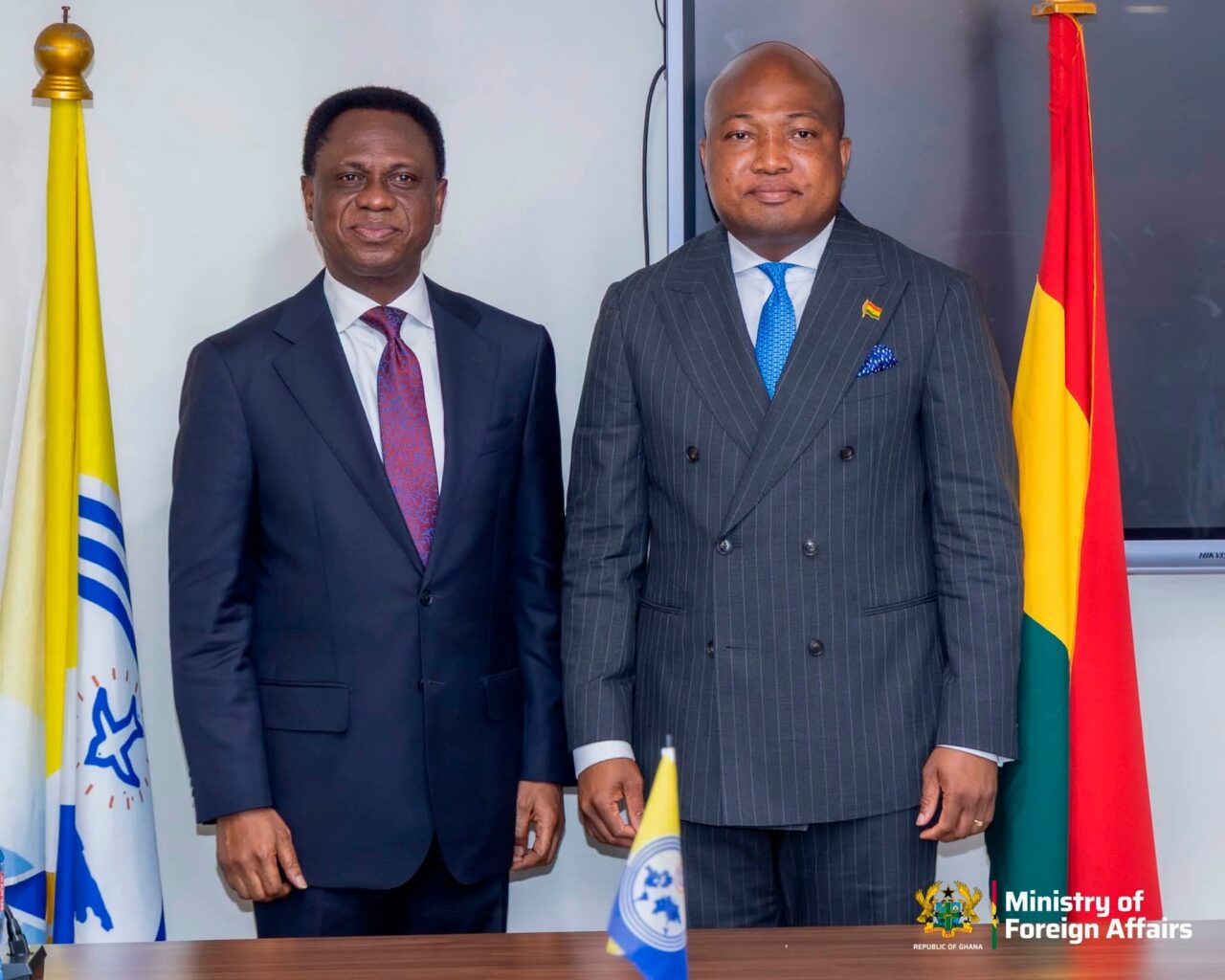
The Government of Ghana has formally expressed appreciation to The Church of Pentecost for providing shelter and humanitarian assistance to more than 500 Ghanaians displaced by xenophobic attacks and anti-immigrant unrest in South Africa.
Foreign Affairs Minister Samuel Okudzeto Ablakwa conveyed the government’s gratitude during a courtesy call on the Chairman of the church, Apostle Dr Eric Kwabena Nyamekye, at its headquarters in Accra.
Speaking on behalf of President John Dramani Mahama and the government, Mr Ablakwa said the church’s intervention provided a vital lifeline to citizens who had fled their homes and were waiting to be evacuated.
Church Buildings Converted Into Safe Shelters
The Church of Pentecost opened three of its major branches in South Africa to affected Ghanaians as the security situation deteriorated.
Some regular church services were temporarily suspended to make room for the displaced citizens, many of whom had been left without safe accommodation.
The church provided free shelter, food, clothing and other necessities for more than two months while Ghanaian authorities worked on voluntary repatriation arrangements.
Several beneficiaries had initially decided to remain in South Africa in the hope that conditions would improve. As the unrest continued, however, they sought assistance to return to Ghana.
The church facilities consequently became temporary safe havens, protecting the affected citizens from further attacks and harassment.
Ablakwa Praises Humanitarian Intervention
Mr Ablakwa described the church’s response as an important demonstration of compassion, patriotism and national solidarity.
“We are deeply grateful to the Chairman and the entire congregation of The Church of Pentecost for opening your doors to more than 500 of our citizens at a time when they needed help most,” he said.
According to the minister, the assistance allowed the government enough time to organize flights, prepare travel documents and coordinate the return of citizens who had voluntarily registered for evacuation.
The church’s branches in Pretoria and Johannesburg were among the facilities that accommodated Ghanaians awaiting transportation.
Mr Ablakwa noted that The Church of Pentecost had also supported national humanitarian interventions during previous emergencies, including the COVID-19 pandemic and the Russia-Ukraine war.
More Than 1,600 Ghanaians Brought Home
The government has repatriated more than 1,600 Ghanaians from South Africa since the crisis escalated.
More than 900 citizens were returned through chartered flights during the initial phase of the evacuation exercise in May and June 2026.
A second phase was subsequently introduced after additional citizens appealed for assistance. More than 600 people were brought home through commercial flights during that phase.
The government provided emergency travel documents for some returnees whose passports or immigration documents had expired.
Returnees were also expected to receive psychosocial assistance, transportation support and reintegration packages to help them rebuild their lives in Ghana.
The Foreign Affairs Ministry has said it is working with public institutions and private businesses to explore employment and livelihood opportunities for those who lost jobs, property or businesses in South Africa.
Government Pursuing Justice for Victims
The unrest reportedly resulted in the deaths of two Ghanaian nationals and caused others to lose property and sources of income.
Mr Ablakwa said the government would continue engaging South African authorities to ensure that the attacks were properly investigated and those responsible held accountable.
Ghanaian officials are also documenting losses suffered by citizens as part of efforts to pursue appropriate legal and diplomatic remedies.
South African authorities have condemned xenophobic violence and maintained that immigration laws must be enforced only by authorized state institutions rather than vigilante groups.
Church Proposes Formal Emergency Partnership
Apostle Nyamekye called for closer and more structured cooperation between The Church of Pentecost and the Ministry of Foreign Affairs.
He said the church’s extensive international network could provide timely assistance to Ghanaians caught in emergencies abroad, particularly in countries where Ghana does not maintain an active diplomatic mission.
“We believe the Church can be the first respondent, especially in countries where Ghana currently has no foreign mission,” he said.
Under such an arrangement, recognized faith-based organizations could offer immediate shelter, food, information and local coordination while the government prepares a formal diplomatic or evacuation response.
Apostle Nyamekye’s proposal reflects the growing importance of partnerships between the state, religious organizations and Ghanaian communities abroad in responding to international emergencies.
Faith Organizations as Humanitarian Partners
The South Africa intervention has highlighted how religious institutions with branches across different countries can support citizens before official assistance arrives.
Formal cooperation could improve communication, identify citizens requiring help and create safe temporary shelters during conflict, natural disasters or civil unrest.
Such partnerships would still require clear protocols, accountability mechanisms and coordination with Ghana’s diplomatic authorities.
The government’s commendation recognizes The Church of Pentecost not only for providing material assistance but also for helping protect hundreds of Ghanaian lives during a dangerous and uncertain period.
Source: Omanghana