Omanghana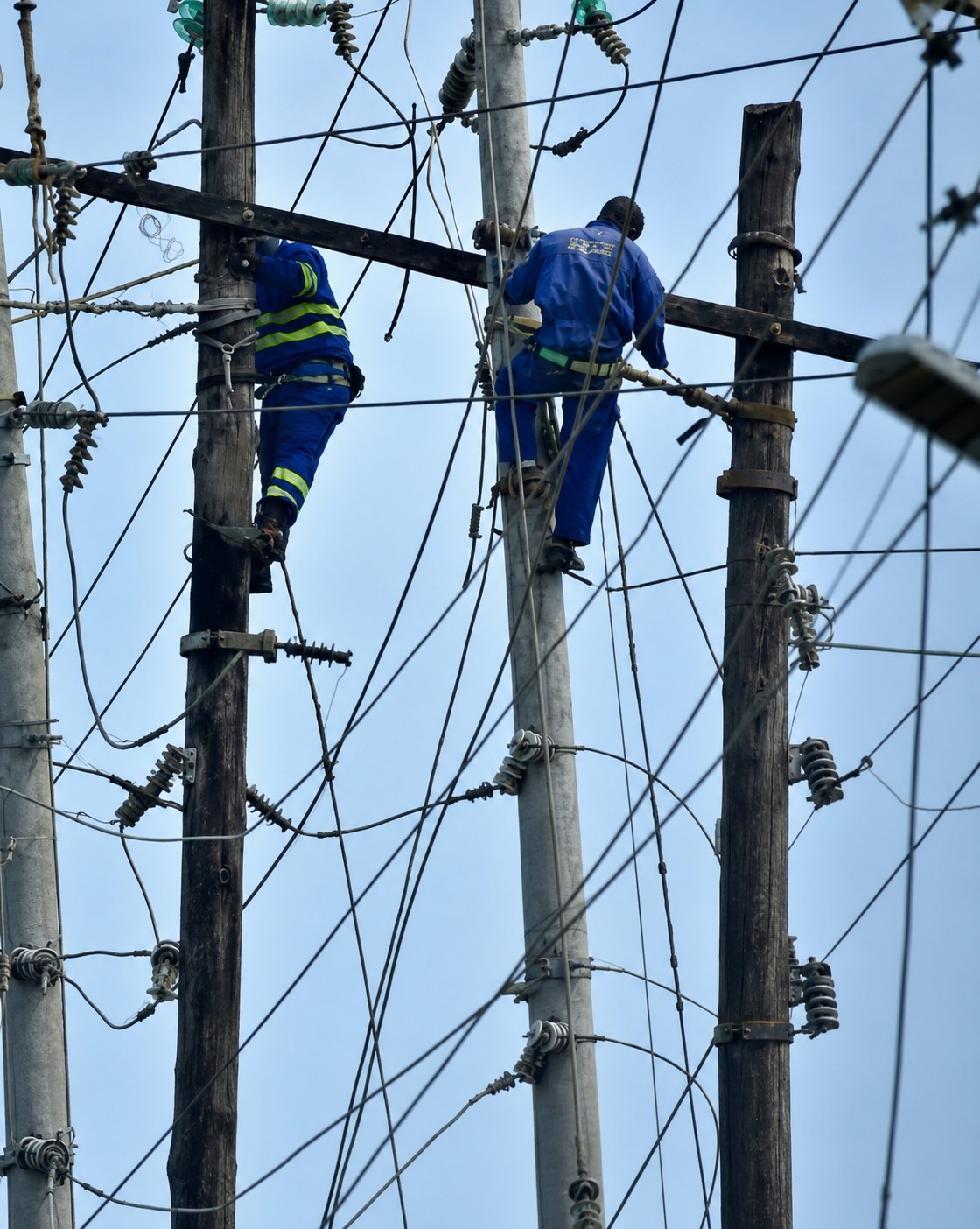
The Ghana Grid Company Limited has confirmed that a major disturbance on the national transmission system caused widespread power outages across the country early Wednesday morning.
The incident occurred at approximately 3:11 a.m. on July 29, 2026, cutting electricity supply to homes, businesses and public facilities in several regions.
According to GRIDCo, the National Interconnected Transmission System experienced an unexpected technical disturbance that destabilized the power network.
The instability caused several electricity-generating plants connected to the national grid to trip automatically. These protective shutdowns resulted in the sudden loss of substantial generation capacity and plunged large parts of the country into darkness.
GRIDCo said the automatic tripping mechanisms are designed to protect generating plants, substations and transmission infrastructure from severe damage whenever the network experiences abnormal operating conditions.
GRIDCo Dismisses Sabotage Claims
The company rejected initial speculation that the disruption was caused by deliberate interference or sabotage.
Corporate communications officials described the incident as a technical system failure, adding that a detailed investigation had been launched to establish the precise sequence of events.
GRIDCo had not announced the definitive root cause at the time of its initial statement.
Technical teams are expected to examine system-control records, transmission-line performance, frequency changes and the behavior of generating plants immediately before the disturbance.
The investigation will also determine whether a single fault triggered the system failure or whether several technical problems occurred within a short period.
Emergency Restoration Procedures Activated
GRIDCo’s System Control Centre activated emergency restoration procedures immediately after the outage.
Engineers and system operators began rebuilding the network in stages, reconnecting transmission infrastructure and bringing the affected generating plants back online.
Restoring a national electricity system after a major disturbance requires careful coordination. Engineers must balance generation with demand while maintaining the correct system frequency and voltage.
Reconnecting too much demand before sufficient generation has returned could trigger another failure. Restoration is therefore conducted gradually, with priority given to critical installations and network sections that can be safely energized.
GRIDCo said it was working with power-generating companies, electricity distributors and other energy-sector institutions to stabilize the network and restore supply to all affected customers.
The company apologized to the public for the disruption and appealed for patience as the phased restoration process continued.
Businesses and Digital Services Disrupted
Although the outage occurred before dawn, its effects were felt across several sectors as people began their daily activities.
Small businesses that depend on digital point-of-sale systems, mobile-money services and internet connectivity experienced interruptions.
Some commuters also faced difficulties using mobile payment services or booking ride-hailing platforms because their phones and other devices had not been charged.
Commercial operations dependent on refrigeration, machinery and electronic payment systems were similarly affected, particularly in areas where electricity restoration took longer.
Telecommunication companies generally maintain backup systems at key facilities, but prolonged outages can affect network quality when batteries and generators at individual sites begin to run down.
Hospitals, banks, government offices and other essential institutions were also required to rely on emergency generators and backup power systems.
Water Distribution Also Vulnerable
The power disruption raised concerns about water production and distribution because Ghana Water Limited’s treatment plants, pumping stations and booster facilities depend heavily on a stable electricity supply.
When power is interrupted, water-treatment production can fall and electrically powered pumps may be unable to maintain pressure across distribution networks.
Even after electricity is restored, it can take additional time for reservoirs to refill and normal pressure to return, particularly in elevated or distant communities.
Residents in affected areas were therefore advised to conserve available water while electricity and water-distribution operations returned to normal.
Questions Over Grid Reliability
The latest incident has renewed public concern about the resilience of Ghana’s electricity infrastructure.
GRIDCo operates the National Interconnected Transmission System, which carries electricity from generating plants to bulk supply points used by distribution companies and major customers.
Because generators and transmission lines operate as one interconnected network, a serious disturbance in one section can spread quickly if protective systems are unable to isolate it before broader instability develops.
Technical investigations into the July 29 event are expected to identify weaknesses that may require repairs, equipment upgrades or changes in operating procedures.
GRIDCo said further information would be provided after engineers complete their assessment. Meanwhile, the company assured the public that all available resources had been mobilized to restore electricity and stabilize the national grid.
Source: Omanghana