Omanghana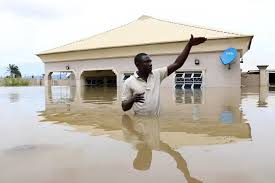
Continuous heavy rainfall has triggered severe flash floods across the Greater Accra Region, leaving several communities submerged and causing widespread destruction to homes, businesses, and public infrastructure.
In some of the hardest-hit areas, particularly around Mallam, floodwaters reportedly rose to window level, trapping residents and bringing economic activity to a halt.
Residents near Mallam Junction, especially the stretch before the overhead bridge leading toward McCarthy Hill, experienced extensive flooding as water engulfed apartment complexes, offices, and residential buildings.
Ground floors of several structures were completely overtaken by floodwaters, leaving families stranded and forcing emergency evacuations in some areas.
Affected residents in Mallam and Baah Yard reported devastating property losses, stating that furniture, electrical appliances, electronics, and other personal belongings were destroyed before they could be salvaged.
The flooding also caused major traffic disruptions across parts of the capital. Vehicular movement along the Accra-Kaneshie highway slowed to a near standstill as overflowing drainage systems spilled onto the roads, leaving commuters trapped in hours-long gridlock.
Drivers and passengers were forced to navigate flooded streets while some vehicles reportedly stalled in submerged sections of the roadway.
The flash floods extended beyond Mallam, with several other communities across Accra reporting critical flooding incidents.
In Alajo and Dansoman, rapidly rising water levels forced many residents out of their homes as floodwaters swept through residential areas.
At Amasaman, floodwaters reportedly rose to the height of vehicle doors after a brief but intense downpour.
Meanwhile, portions of the Accra-Aflao Road near Dawhenya became impassable, resulting in severe traffic congestion and transport delays.
The recurring flooding disaster has reignited public frustration over drainage management and urban sanitation in the capital.
Residents and local commentators have criticized municipal authorities for failing to consistently desilt gutters and drainage channels before the rainy season. Environmental observers argue that drains clogged with refuse and plastic waste continue to obstruct the free flow of water, turning roads and neighborhoods into dangerous flood zones even after moderate rainfall.
The latest floods have once again intensified calls for long-term drainage reforms, improved waste management, and stricter enforcement against indiscriminate dumping in waterways across the Greater Accra Region.
Source: Omanghana