Omanghana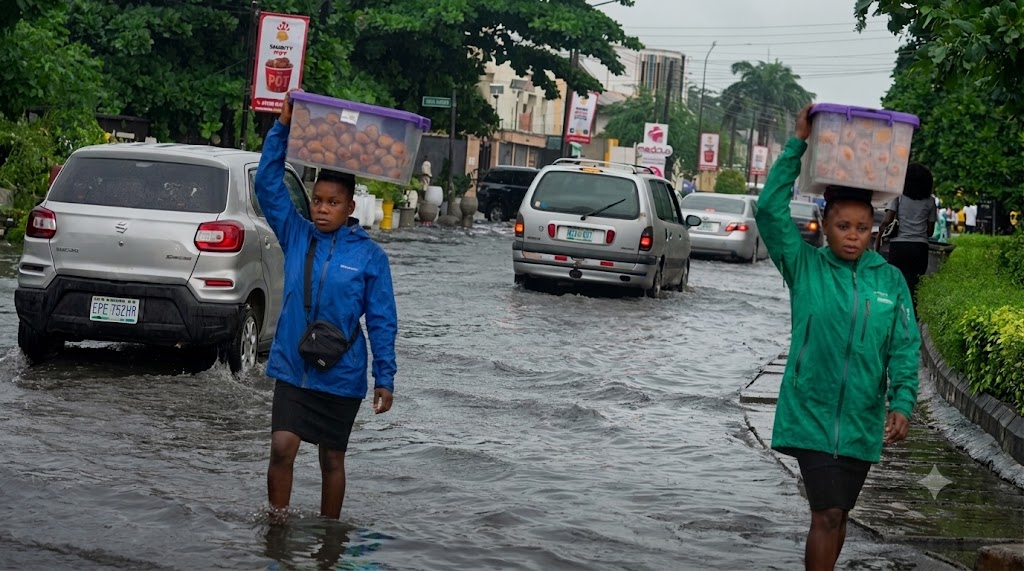
Heavy rainfall has triggered extensive flash flooding across 27 states in Nigeria, submerging roads, damaging homes, disrupting businesses, and forcing emergency agencies to issue fresh warnings as the country experiences the peak of its rainy season.
Authorities say persistent downpours have overwhelmed drainage systems and rivers, creating dangerous conditions in both urban and rural communities.
NiMet Issues Nationwide Flood Alert
The Nigerian Meteorological Agency (NiMet) issued a flash flood alert covering July 1 to July 10, 2026, warning that July is expected to be among the wettest months of the year.
According to the agency, continued heavy rainfall, severe thunderstorms, and rising river levels significantly increase the likelihood of flash floods across many parts of the country.
Experts explain that weeks of sustained rainfall throughout June saturated the soil, leaving it unable to absorb additional water. As a result, even short periods of intense rain are generating rapid surface runoff that is overwhelming drainage systems and causing widespread flooding.
Lagos Among the Hardest-Hit Areas
Nigeria’s commercial capital, Lagos State, has been one of the worst affected.
Floodwaters inundated several communities, including high-income areas such as Lekki and Ikoyi, as well as densely populated neighborhoods including Ajegunle, Surulere, and Ikorodu.
The flooding left major roads underwater, stranded numerous vehicles, caused severe traffic congestion, and damaged homes and commercial properties.
Coastal and Inland States Face Growing Risks
Beyond Lagos, several southern coastal states remain at heightened risk due to continued rainfall and rising water levels.
States including Ogun, Rivers, and Bayelsa are experiencing increased flood threats, particularly in low-lying communities vulnerable to overflowing rivers and coastal surges.
Meanwhile, authorities have issued evacuation warnings for residents in parts of Sokoto, Borno, Kaduna, Niger, and Kogi states as river levels continue to rise.
Millions at Risk
The Nigeria Hydrological Services Agency (NIHSA) has warned that the ongoing flooding could have significant humanitarian and economic consequences.
According to the agency’s 2026 flood outlook:
- More than 18 million Nigerians are considered vulnerable to flood-related impacts.
- Over 2,000 hectares of farmland could be affected, raising concerns about agricultural production and food security.
- Approximately 8,794 schools and 3,808 healthcare facilities face varying degrees of flood risk, potentially disrupting essential public services.
Urban Planning and Drainage Challenges
While heavy rainfall remains the immediate cause of the flooding, experts say rapid urbanization and inadequate infrastructure have worsened the situation.
Expansion into natural wetlands, poor land-use planning, and insufficient drainage systems have reduced the ability of cities to manage heavy rainfall.
Blocked drainage channels have further intensified flooding in many communities. Accumulated plastic waste and other debris have clogged gutters and waterways, slowing the flow of floodwaters and increasing the risk of localized flooding.
In several affected neighborhoods, residents have reportedly undertaken community clean-up efforts to remove waste from drainage channels in an attempt to improve water flow.
Government Responds With Emergency Funding
In response to the growing crisis, the Federal Government recently approved an ₦80 billion emergency intervention fund through the Hydroelectric Power Producing Areas Development Commission (HYPPADEC).
The funding is expected to support drainage improvement projects, flood mitigation measures, and humanitarian assistance for affected communities.
The National Emergency Management Agency (NEMA) has also urged residents in flood-prone areas to clear blocked drainage systems where possible, monitor official weather updates, and relocate from high-risk locations ahead of additional heavy rainfall forecast in the coming days.
Authorities Urge Vigilance
With forecasts indicating continued heavy rainfall throughout July, emergency officials are encouraging Nigerians to remain alert, follow evacuation advisories, and avoid driving or walking through flooded roads.
Authorities warn that sustained rainfall could lead to additional flash flooding in vulnerable communities as the rainy season continues.
Source: Omanghana