Omanghana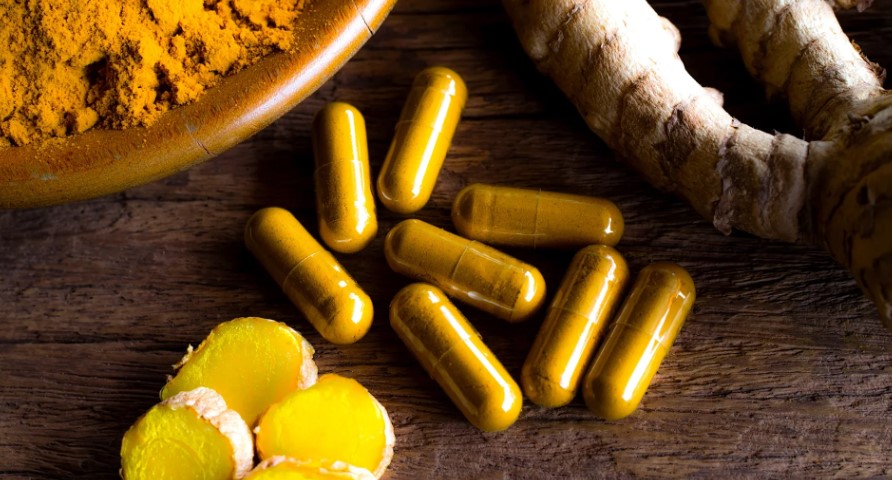
While culinary use of turmeric in foods such as curries and golden milk is widely considered safe, health specialists are raising concerns about the long-term, high-dose use of concentrated turmeric or curcumin supplements. Emerging clinical reports suggest that sustained “mega dosing” may, in rare cases, contribute to drug-induced liver injury (DILI).
According to clinical analyses referenced in medical literature and summarized by Very well Health, excessive intake of turmeric supplements can place significant stress on the liver, the body’s primary detoxification organ.
Documented Forms of Liver Injury
Data from the U.S.-based Drug-Induced Liver Injury Network has identified a pattern of liver-related complications in individuals who regularly consume high-dose turmeric supplements over extended periods, typically around three months.
Reported clinical conditions include:
Non-infectious hepatitis
An inflammatory response in liver cells that resembles viral hepatitis but is triggered by chemical or supplement-related toxicity.
Cholestasis
A disruption or complete blockage of bile flow from the liver, leading to the buildup of bile acids that can damage liver tissue.
Acute liver failure (rare cases)
In severe instances, liver function may become critically impaired, requiring emergency medical care. Though uncommon, at least one documented case has linked turmeric supplement use to fatal liver failure.
Key Risk Factors Identified by Researchers
Health researchers and case reviews highlight several potential contributors to liver stress from turmeric supplements:
1. Enhanced absorption with black pepper extract
Many supplements include piperine, a compound derived from black pepper, to improve curcumin absorption. This can significantly increase bioavailability, which may intensify the liver’s exposure to curcumin.
2. High daily dosages
While dietary intake of turmeric is generally low, supplements often contain highly concentrated doses that far exceed typical dietary exposure. Some products provide gram-level amounts in a single serving.
3. Possible contamination risks
Because dietary supplements are not always subject to pre-market approval standards equivalent to pharmaceuticals, certain imported products have been found to contain contaminants such as heavy metals, including lead or arsenic, which are known to be toxic to the liver.
4. Individual genetic differences
Variations in liver enzyme function may affect how individuals metabolize herbal compounds, meaning some people could be more susceptible to adverse effects than others.
Warning Signs of Possible Liver Stress
Medical experts advise discontinuing use and seeking medical attention if symptoms of liver injury appear, including:
- Yellowing of the skin or eyes (jaundice)
- Dark-colored urine
- Persistent nausea, vomiting, or upper-right abdominal pain
- Severe, unexplained fatigue
Outlook
Clinical registries indicate that most patients who experience turmeric-related liver injury recover fully after stopping the supplement. However, health authorities emphasize the importance of moderation and caution when using high-dose herbal products, particularly over long periods.
Consumers are generally advised to consult healthcare professionals before beginning any concentrated supplement regimen, especially those containing multiple active compounds or absorption enhancers.
Source: Omanghana