Omanghana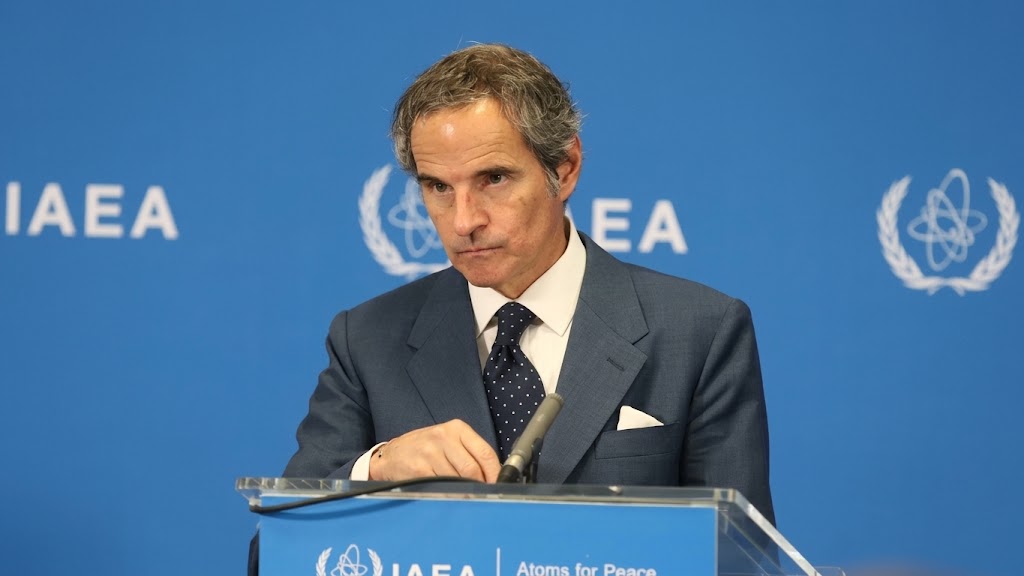
The International Atomic Energy Agency has warned that it can no longer effectively monitor Iran’s nuclear program because inspectors have been denied access to key facilities and have received no reliable information about declared nuclear materials.
The breakdown in verification comes amid growing military tension in the region, with Iran issuing warnings over energy infrastructure and commercial shipping in the Strait of Hormuz.
Addressing the IAEA Board of Governors, Director-General Rafael Grossi said the agency had received neither meaningful updates on Iran’s nuclear activities nor the physical access required to carry out safeguards inspections.
The watchdog has reportedly lost “continuity of knowledge” regarding Iran’s uranium inventories, including material enriched to as much as 60% purity. Without regular inspections and verified data, the agency cannot confidently determine the location, quantity or status of the country’s declared nuclear stockpiles.
Iran has prevented inspectors from entering nuclear installations affected by military strikes, arguing that access could expose sensitive security information. Grossi warned that the prolonged absence of transparency poses a serious global proliferation risk and requires an urgent diplomatic solution.
Members of the IAEA Board of Governors have also considered a resolution seeking to refer Iran’s alleged non-compliance to the United Nations Security Council. The move follows the deterioration of official communication between Tehran and the nuclear watchdog.
Tensions have simultaneously intensified around the Strait of Hormuz, one of the world’s most important oil transit routes. Iran’s Islamic Revolutionary Guard Corps has issued warnings to commercial vessels operating near the southern shipping corridor, increasing concerns about maritime security and possible disruptions to global energy supplies.
Iranian officials, including the country’s parliamentary speaker, have also threatened retaliatory action against US energy infrastructure in the region if Western sanctions and political pressure continue.
The latest confrontation follows the collapse of diplomatic efforts intended to restore maritime stability while creating a pathway towards sanctions relief. With negotiations stalled and enforcement measures tightening, Iran appears to be using its influence over shipping through the Strait of Hormuz as a major source of geopolitical leverage.
The combination of limited nuclear oversight, stalled diplomacy and threats to regional energy infrastructure has heightened fears of a wider confrontation with potentially serious consequences for international security and global oil markets.
Source: Omanghana