Omanghana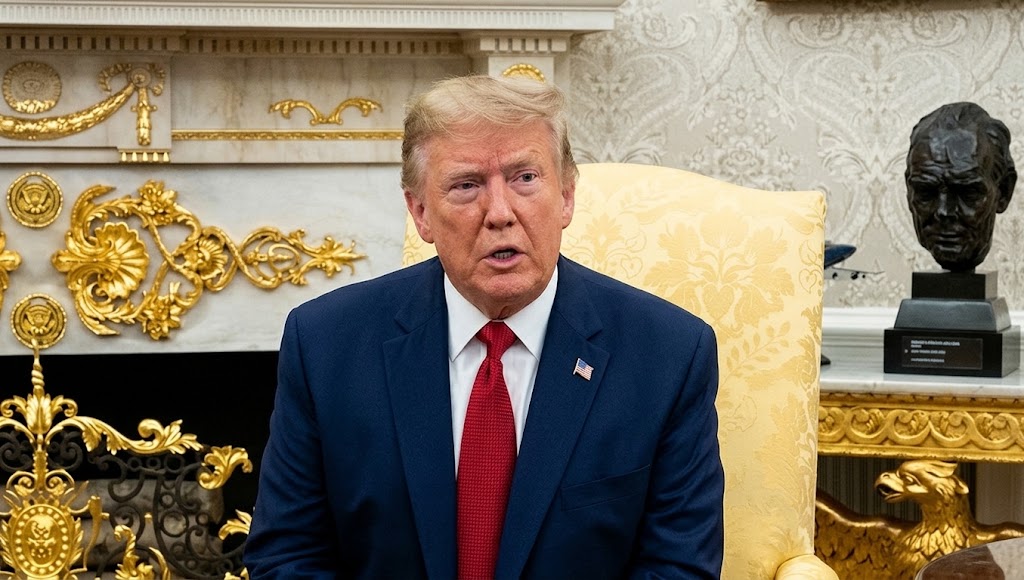
A 60-day temporary ceasefire between the United States and Iran expired on Monday, August 17, 2026, without the two countries reaching a comprehensive agreement on Tehran’s nuclear program, economic sanctions or control of the Strait of Hormuz.
The expiration of the interim arrangement has intensified tensions between Washington and Tehran, with Iran warning that it could adopt a “fully offensive” military posture if diplomatic efforts fail.
The United States and Iran signed a memorandum of understanding on June 17 following a period of direct military confrontation. The document declared an “immediate and permanent termination of military operations on all fronts,” while providing a 60-day window for negotiations on a broader settlement.
The talks were expected to address Iran’s nuclear activities, the possible easing of US economic sanctions and security arrangements in the Gulf. However, the negotiations stalled after the two sides offered sharply different interpretations of provisions concerning the Strait of Hormuz.
The narrow waterway between Iran and Oman is one of the world’s most important energy transit routes. About one-fifth of global oil shipments passes through the strait, making any disruption a serious risk to international energy markets.
Iran argued that Point 5 of the June memorandum gave it the right to manage the Strait of Hormuz. The United States rejected that interpretation and maintained that Tehran had not been granted unilateral authority over the strategic waterway.
The disagreement became one of the most significant obstacles to reaching a permanent settlement before the 60-day deadline.
A senior Iranian official told Reuters that Tehran was prepared to give Washington a “few weeks” to fully implement the provisions of the June memorandum. The official said compliance with the original arrangement would be required before Iran considered returning to negotiations.
The additional period mentioned by Tehran does not represent a formal extension of the ceasefire. It instead appears to be a final diplomatic warning before Iran considers further action.
US President Donald Trump rejected the possibility of extending the June agreement when questioned by reporters on Monday. Asked whether Washington would seek additional time for negotiations, Trump responded, “No.”
The United States has maintained a naval blockade of Iranian ports as part of efforts to increase economic pressure on Tehran and force concessions on security and nuclear issues.
Iran has condemned the blockade as unlawful and has warned that it reserves the right to take military action to restore access to its ports and shipping routes.
Senior Iranian officials said state institutions and military entities were preparing for a possible escalation across the region. Tehran warned that it could carry out a “timely and precise” strike intended to break the US naval blockade if diplomatic efforts remained unsuccessful.
Iran’s warning that it may move to a “fully offensive” posture marks a significant change from the restraint outlined in the June memorandum. However, Iranian officials did not disclose the exact nature, timing or potential targets of any military operation.
The hardened rhetoric has increased fears of renewed confrontation in the Gulf, where American and Iranian forces operate close to major commercial shipping routes.
Any military exchange near the Strait of Hormuz could disrupt global oil and gas supplies, increase shipping and insurance costs and cause sharp movements in international energy prices.
Oman has also become involved in the growing dispute. The country shares the Strait of Hormuz with Iran and has historically acted as a diplomatic intermediary between Tehran and Washington.
Oman has reportedly pursued separate discussions with Iranian officials concerning the management and security of the waterway. President Trump warned Muscat against reaching an independent arrangement with Tehran that could undermine Washington’s position.
The warning places Oman in a difficult diplomatic position. Although it is a longstanding US security partner, the Gulf state also maintains working relations with Iran and has frequently hosted negotiations between Tehran and Western governments.
The collapse of the 60-day framework leaves the two principal issues—the nuclear dispute and US sanctions—unresolved.
Washington continues to demand restrictions and monitoring measures capable of preventing Iran from developing nuclear weapons. Tehran insists that its nuclear program is intended for peaceful purposes and maintains that sanctions relief must accompany any agreement.
Iran also wants guarantees that the United States will honor any future deal, while Washington is seeking stronger commitments concerning Tehran’s nuclear activities and regional military influence.
The breakdown illustrates how disagreement over maritime authority has become linked to the wider nuclear and sanctions negotiations. Control of the Strait of Hormuz is both a security issue and a major source of strategic leverage for Iran.
Despite the expiration of the ceasefire, Tehran’s decision to allow Washington several more weeks to fulfil the memorandum’s provisions could leave a narrow opportunity for diplomacy.
However, President Trump’s refusal to extend the agreement, the continuation of the naval blockade and Iran’s threat of military action suggest that the prospects for an immediate breakthrough remain uncertain.
With military forces on heightened alert and negotiations stalled, international attention is expected to focus on the Strait of Hormuz and whether either side takes action that could trigger a wider regional conflict.
Source: Omanghana