Omanghana
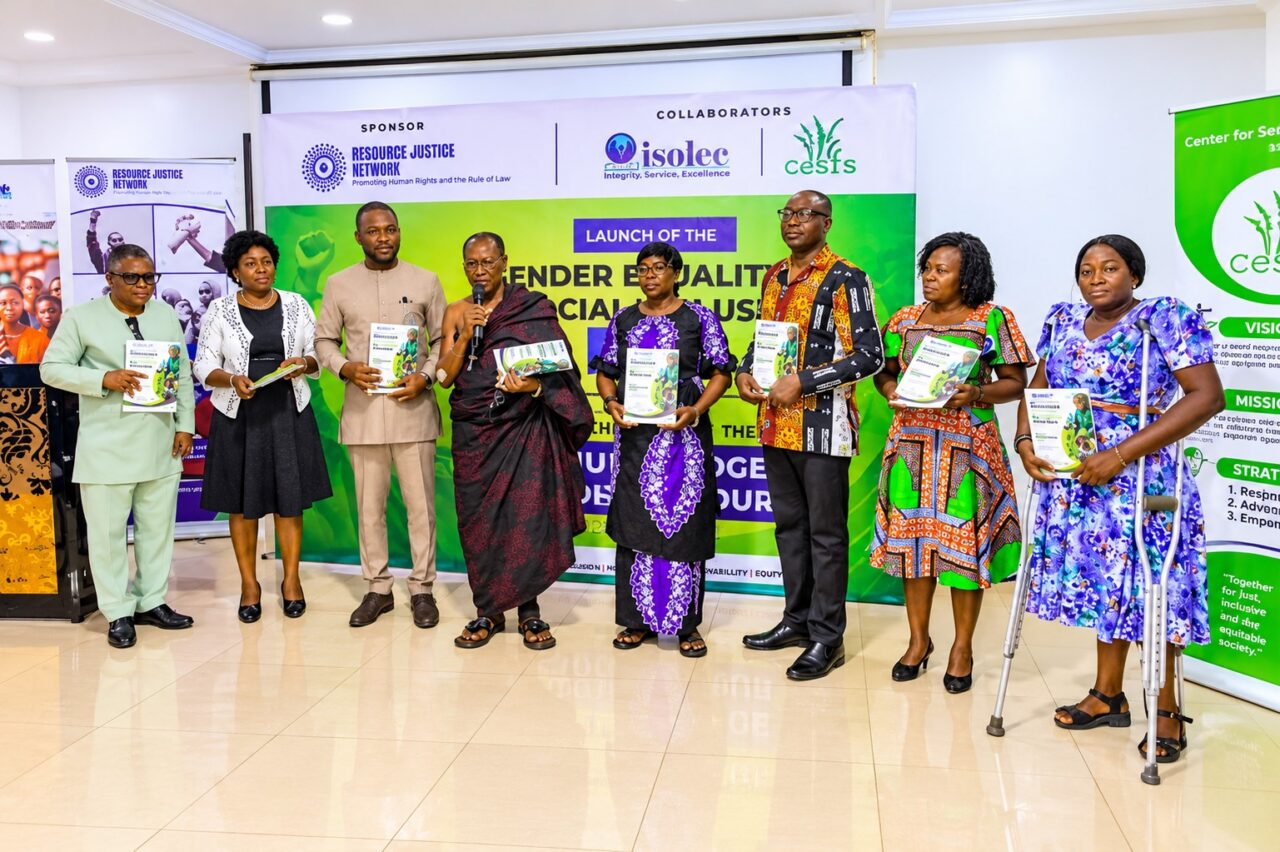
The Integrated Social Development Centre (ISODEC) and its partners have called for greater attention to the needs of women, young people and persons with disabilities in the allocation of Ghana’s petroleum revenues.
The call follows a study examining how spending from the Annual Budget Funding Amount (ABFA) addresses gender equality and social inclusion. The ABFA is the portion of Ghana’s petroleum revenue allocated to support the national budget.
The report, titled “Gender Equality and Social Inclusion in the Allocation of the ABFA,” was presented at a stakeholder workshop in Obuasi in the Ashanti Region. The initiative involved the Resource Justice Network–Ghana, ISODEC and the Centre for Social Impact Studies (CeSIS).
Gaps in Planning and Monitoring
The study found that although marginalized groups may benefit indirectly from projects financed with petroleum revenues, their needs are not consistently considered when spending decisions are made.
It described many projects as gender-blind, with insufficient data showing how women, young people, persons with disabilities and other groups participate in or benefit from them.
The report also identified weak monitoring systems and delays affecting funds intended to support persons with disabilities. It noted that some communities were unaware of projects financed with petroleum revenues, raising concerns about access to information and public participation.
ISODEC says Ghana earned more than US$10 billion in petroleum revenues between 2010 and 2024. That figure covers petroleum revenue overall, not only the share allocated through the ABFA.
Calls for Reform
The report recommends that gender equality and social inclusion be made a deliberate part of petroleum revenue planning and expenditure. Its recommendations include:
- Strengthening the petroleum revenue management framework to address the needs of marginalized groups.
- Collecting data that shows how spending benefits different sections of society.
- Consulting women, young people and persons with disabilities when projects are planned and implemented.
- Improving monitoring, transparency and public accountability.
Resource Justice Network–Ghana National Coordinator Bernard Anaba said petroleum revenues are public resources that should be managed transparently for the benefit of all citizens.
CeSIS Executive Director Robert Tanti Ali also called for greater involvement of underrepresented groups in decisions about publicly funded development projects.
Source: Omanghana