Omanghana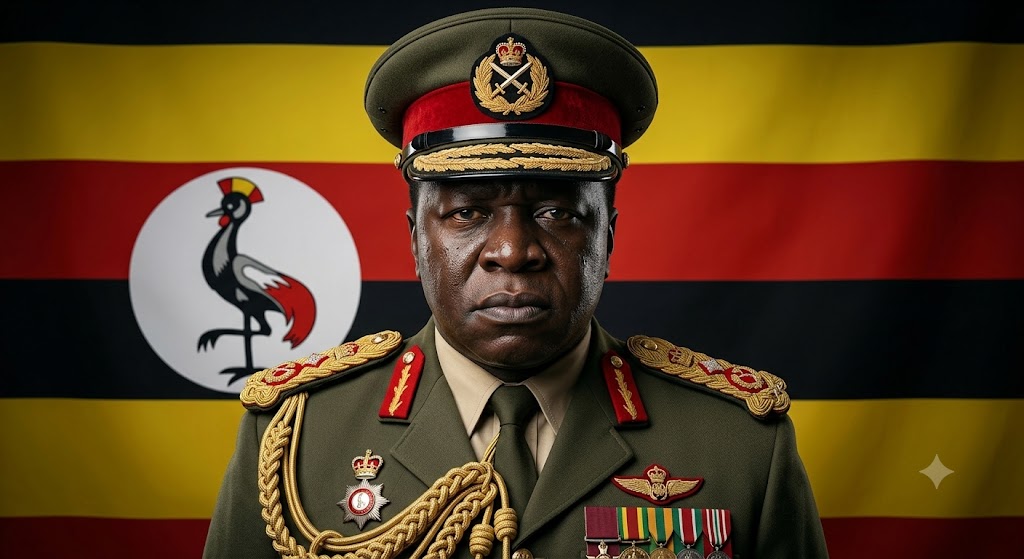
Israel has released thousands of pages of previously classified government documents shedding new light on the decision-making process behind the historic 1976 Entebbe hostage rescue mission.
The records, made public by the Israel State Archives on June 26, 2026, ahead of the operation’s 50th anniversary, include cabinet meeting transcripts, intelligence memoranda, and official communications from the week-long hostage crisis.
The declassification comes as Israel continues to confront issues surrounding hostage rescues and national security in the wake of the October 7, 2023 attacks, giving renewed historical context to one of the country’s most celebrated military operations.
Inside the Government’s Crisis Deliberations
The newly released documents provide an unprecedented look at how Prime Minister Yitzhak Rabin and his cabinet responded after an Air France flight was hijacked by Palestinian and German militants and diverted to Entebbe Airport in Uganda, where more than 100 hostages were held.
According to the files, Israeli leaders held extensive discussions over possible responses as they sought to secure the hostages’ release while weighing significant military and diplomatic risks.
Debate Over Negotiating With Hijackers
Among the most significant revelations is evidence that senior Israeli officials considered negotiating with the hostage-takers despite the country’s longstanding policy of refusing to negotiate with terrorists.
The documents indicate that cabinet members debated a range of options, including the possibility of exchanging imprisoned militants if it became necessary to save the hostages.
At the same time, Israeli defense planners were secretly preparing a long-range military rescue mission while diplomatic efforts continued, allowing authorities to gain valuable time for operational planning.
Contacts With Uganda’s Idi Amin
The declassified archive also contains transcripts of several telephone conversations between former Israeli defense attaché Baruch Bar-Lev and Ugandan leader Idi Amin.
According to the records, Bar-Lev attempted to use his personal relationship with Amin to persuade him to facilitate the hostages’ release during the tense negotiations.
Rabin’s Warning After the Mission
Following the successful rescue operation, Rabin cautioned against complacency in a memorandum to his cabinet.
“We have finished one battle, but the war continues,” he wrote, emphasizing that while the mission had succeeded, broader security challenges remained.
Operation Yonatan’s Enduring Legacy
The mission, later named Operation Yonatan, resulted in the rescue of 102 hostages after Israeli commandos carried out a daring assault on Entebbe Airport.
During the operation, the hijackers were killed, along with numerous Ugandan soldiers. The only Israeli military fatality was Yonatan Netanyahu, the commander of the assault force and the older brother of current Prime Minister Benjamin Netanyahu.
Widely regarded as one of the most successful hostage rescue missions in military history, Operation Yonatan has long been studied by armed forces around the world. The newly declassified records provide fresh insight into the difficult decisions, uncertainty, and strategic calculations that preceded the operation, offering historians and the public a more detailed understanding of one of Israel’s defining security missions.
Source: Omanghana