Omanghana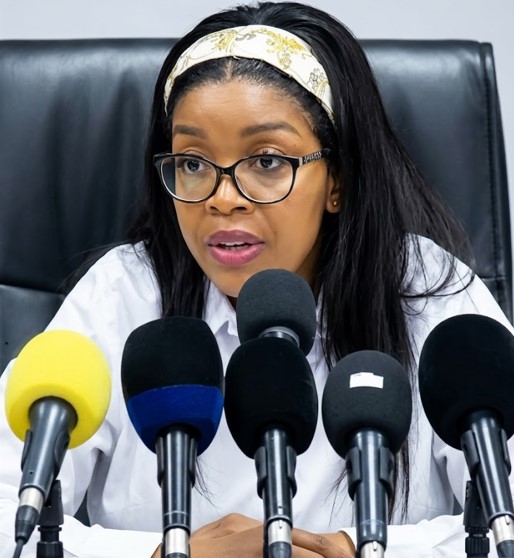
Anti-illegal immigration activist Jacinta Ngobese-Zuma has secured an interim victory in the South African High Court after challenging her sudden removal from the country’s National Dialogue process.
Following an urgent court hearing on Tuesday, July 8, 2026, the court granted temporary relief compelling President Cyril Ramaphosa and officials overseeing the National Dialogue to allow Ngobese-Zuma and her co-applicants to maintain their positions on the National Dialogue Steering Committee.
The ruling provides temporary protection for the representatives while the legal process continues and formal appointment procedures are finalized.
Dispute Over Alleged Removal From Steering Committee
Ngobese-Zuma, together with co-applicants Dr. Gordon Lesley Rolls and Mamile Sikhosana, approached the court after claiming they were unlawfully removed from their positions as representatives of the immigration sector.
The applicants argued that they had been properly selected to participate in the National Dialogue process and had already been actively involved in working groups since March 2026.
They alleged that their removal was carried out abruptly, without consultation, explanation, or a legally valid process, violating principles of procedural fairness.
According to the applicants, the decision undermined the representation of the immigration sector within a national forum designed to address major issues affecting South African society.
Court Agreement Provides Temporary Resolution
Rather than allowing the dispute to develop into a prolonged legal battle, the parties reached an agreement before the court.
Under the interim order, individuals who had already been nominated from recognized sectors will be allowed to continue serving on the Steering Committee while their official letters of appointment are completed and formally issued.
The arrangement ensures continuity in the National Dialogue process while leaving broader legal questions for future proceedings.
Immigration Debate at Center of National Dialogue
The legal battle has brought renewed attention to South Africa’s R700 million National Dialogue initiative, a government-backed platform intended to address key national challenges through public participation.
Ngobese-Zuma has argued that illegal immigration was initially excluded from the government’s proposed agenda and that she and other activists spent months campaigning for the issue to be formally included.
She said their efforts resulted in immigration becoming part of the official discussion framework.
Activist Movement and Rising Immigration Tensions
Ngobese-Zuma is the founder of the anti-immigration March and March movement, which has become one of the most visible organizations campaigning for stricter immigration enforcement in South Africa.
Her legal victory comes amid heightened tensions over immigration, with her movement and allied groups, including Operation Dudula, organizing regular demonstrations demanding mass deportations of undocumented foreign nationals and tighter border controls.
The protests have drawn significant public attention and criticism, with human rights organizations warning against xenophobic rhetoric and attacks on migrant communities.
Legal Battle Continues
Although the High Court order provides temporary protection for Ngobese-Zuma and her fellow representatives, further hearings are expected to determine the full legal issues raised in the application.
Ngobese-Zuma has maintained that government warnings against unauthorized immigration enforcement campaigns will not stop her organization from continuing planned demonstrations.
She has argued that peaceful protest remains a constitutionally protected right in South Africa and that her movement will continue using public demonstrations to push for its immigration policy demands.
The court case is expected to remain closely watched as debates over immigration, public participation, and national policy continue to shape South Africa’s political landscape.
Source: Omanghana