Omanghana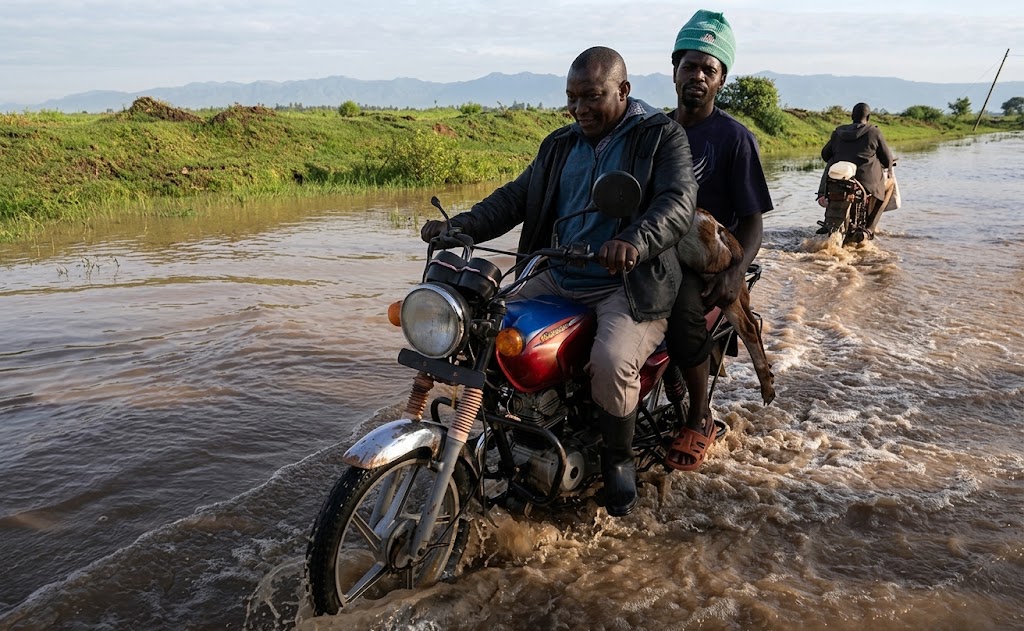
Kenyan authorities have activated nationwide contingency measures as forecasters warn that a strengthening El Niño could bring above-normal rainfall during the October–December 2026 short-rains season.
The government is preparing for flooding, landslides, displacement, disease outbreaks and extensive damage to roads and other essential infrastructure. National and county agencies are working with humanitarian organizations, security services and local administrators to reduce the potential impact.
The World Meteorological Organization has confirmed that El Niño conditions have developed in the tropical Pacific and are expected to strengthen rapidly. Forecast models indicate a strong event, with sea-surface temperature anomalies projected to exceed two degrees Celsius in key monitoring areas.
WMO Secretary-General Celeste Saulo warned that the strengthening system would increase the likelihood of drought, heavy rainfall, heatwaves and marine heatwaves in different regions. El Niño events typically peak between November and February, although their effects can continue for several months afterward.
Although the intensity and local effects remain subject to change, the weather pattern has historically been associated with increased rainfall across parts of equatorial East Africa. Kenya’s disaster agencies are consequently preparing for a severe scenario rather than waiting for flooding to begin.
The National Disaster Operations Centre estimates that approximately 1.5 million Kenyans could be affected by the anticipated rains. Nearly 500,000 people may be displaced if flooding reaches the projected levels.
Officials have also warned that some roads could remain impassable for weeks or months, restricting access to hospitals, markets, food supplies and other essential services.
Areas considered particularly vulnerable include low-lying communities, riverbanks, coastal counties, landslide-prone highlands, arid and semi-arid regions and urban centers with inadequate drainage systems.
The Tana River basin is among the areas of greatest concern because overflowing rivers could sweep away vehicles, damage homes and isolate entire communities. Western Kenya and the Lake Victoria basin also face heightened flooding risks.
In Nairobi and other cities, intense rainfall could overwhelm drainage systems and flood informal settlements, roads and commercial areas. Murang’a, Elgeyo-Marakwet and Kiambu are among the counties identified as being at risk of landslides.
Transport routes under close observation include the Nairobi–Garissa–Wajir–Mandera corridor, Garissa–Tana River–Lamu, Isiolo–Wajir, Kericho–Kisumu and Nairobi–Narok roads.
The government has developed a national contingency plan covering hotspot identification, evacuations, infrastructure protection, early warnings and emergency relief.
The Kenya Urban Roads Authority and other agencies have begun desilting drainage systems, clearing blocked culverts and removing waste from locations known to experience chronic flooding. Roads, bridges, river crossings and critical public utilities are also being inspected for weaknesses.
The Interior Ministry is coordinating with county commissioners and local administrators to identify residents living along riverbanks, riparian reserves and other high-risk areas. Temporary holding grounds are being prepared to accommodate families who may be forced to leave their homes.
Authorities are monitoring water levels in rivers, dams and other bodies while advising people in flood-prone areas to move to safer ground when evacuation orders are issued.
Food, medical supplies and other relief items are being moved to strategic locations to support a faster response. Rapid-response teams have also been placed on standby for rescue operations, evacuations and post-disaster assessments.
At the community level, chiefs, assistant chiefs and Nyumba Kumi committees are being used to distribute localized weather alerts and emergency instructions. The government has urged residents to report blocked drains, rising water levels and damaged infrastructure before conditions become life-threatening.
Officials have cautioned that the contingency measures cannot eliminate the dangers associated with extreme rainfall. Residents of low-lying settlements, river valleys and landslide-prone communities have therefore been advised to remain alert and comply promptly with official evacuation directives.
Source: Omanghana