Omanghana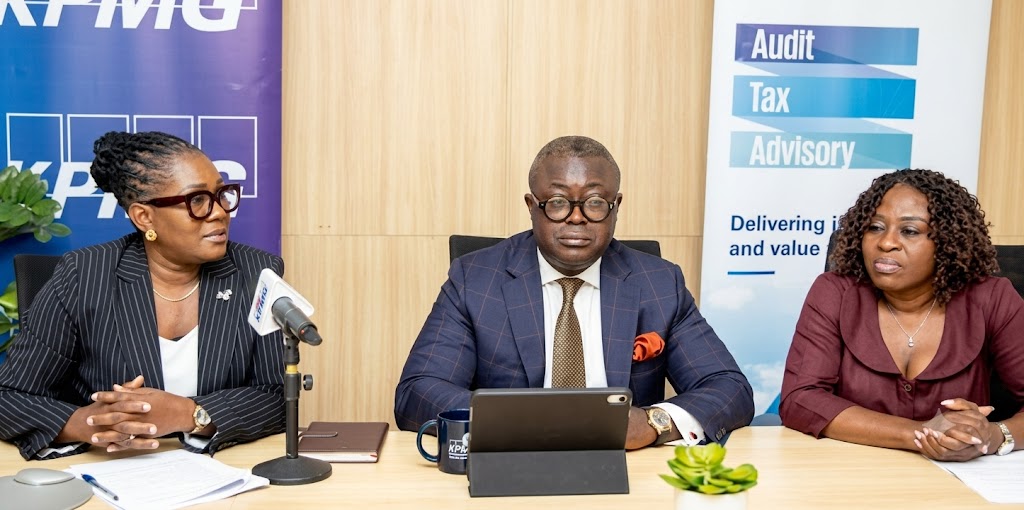
Private capital and effective partnerships between the government and businesses will be crucial to unlocking Ghana’s next phase of economic growth, according to an assessment by global professional services firm KPMG.
Commenting on the government’s 2026 Mid-Year Budget Review, KPMG Partner and Head of Advisory in Ghana, Kwame Sarpong Barnieh, said Ghana had made progress in restoring macroeconomic stability. However, he stressed that improved economic indicators must now translate into higher productivity, sustainable employment and stronger private-sector expansion.
KPMG noted that falling inflation, greater exchange-rate stability and improvements in debt management had created a more supportive economic environment. The firm cautioned, however, that macroeconomic stability alone would not be sufficient to deliver the level of growth required to improve livelihoods.
According to the firm, Ghana’s next challenge is to convert the gains achieved through fiscal and monetary discipline into productive investments across infrastructure, agriculture, manufacturing and other job-creating sectors.
To attract more domestic and international capital, KPMG identified policy predictability as a major requirement. Investors need confidence that regulations, taxes and sector policies will remain consistent enough for them to make long-term decisions and accurately assess potential returns.
The firm also called for greater transparency in public procurement. Open and competitive bidding processes, it said, could reduce operational delays, improve value for money and strengthen investor confidence in government-backed projects.
Robust governance and stronger institutions were also highlighted as essential to mobilizing capital. Effective institutions can reduce uncertainty, enforce agreements and assure financiers that projects will be implemented according to clearly defined rules.
KPMG further emphasized the importance of properly structured public-private partnerships. Such arrangements could allow the government and private investors to share the costs and risks associated with major infrastructure projects while bringing private-sector expertise into their design, financing and operation.
Several government initiatives were identified as potential catalysts for investment and economic diversification. Among them is the Big Push Program, which seeks to expand and upgrade critical infrastructure, including roads, energy systems and digital connectivity.
Improved infrastructure could lower the cost of doing business, enhance access to markets and make Ghana more attractive to investors. However, KPMG indicated that successful implementation would depend on credible financing arrangements, transparent procurement and effective project management.
The government’s 24-Hour Economy policy was also highlighted as a possible driver of production and employment. By encouraging businesses and public services to operate beyond conventional working hours, the initiative could increase the use of existing infrastructure, expand employment opportunities and strengthen export-oriented production.
In agriculture, KPMG pointed to the Oil Palm Development Program and the proposed Farmers’ Service Centers as important interventions. These initiatives could modernize agricultural supply chains, improve access to equipment and inputs, raise productivity and connect farmers more effectively to processors and markets.
Despite the positive mid-year indicators, KPMG warned that Ghana’s economic outlook remained exposed to several risks.
Domestically, future debt maturities could place pressure on public finances if they are not carefully managed. High borrowing costs also continue to restrict access to credit for micro, small and medium-sized enterprises, limiting their ability to expand, employ more people and invest in new technology.
Maintaining fiscal discipline will be another major test, particularly as the government faces pressure to increase spending on infrastructure and social programs.
External threats include global economic uncertainty, volatile commodity prices and escalating geopolitical tensions. Changes in the prices of gold, cocoa and crude oil can significantly affect Ghana’s export earnings, government revenue and foreign-exchange position.
KPMG therefore urged the government to institutionalize recent economic gains by maintaining monetary discipline and meeting its primary surplus targets. Consistently achieving these targets would help prevent a return to unsustainable borrowing and reinforce confidence in the country’s fiscal management.
The firm also recommended strengthening Ghana’s external financial buffers through frameworks such as the Ghana Accelerated National Reserve Accumulation Policy. Larger reserves could help the country absorb external shocks and provide greater support for currency stability.
Another priority is the regular funding of the Sinking Fund, also referred to as the Debt Service Recovery Cedi Account. KPMG said maintaining adequate resources in the fund would enable the government to prepare for upcoming debt obligations and reduce the risk of sudden financing pressures.
Improving credit ratings could also give Ghana an opportunity to attract more private capital into infrastructure and other productive sectors. However, the firm stressed that stronger ratings must be supported by credible reforms, predictable policies and sustained fiscal responsibility.
KPMG’s assessment suggests that Ghana must now move beyond crisis management and enter a period of economic renewal. The success of that transition will depend on whether restored stability can be used to mobilize investment, expand businesses, improve productivity and create durable employment opportunities.
Source: Omanghana