Omanghana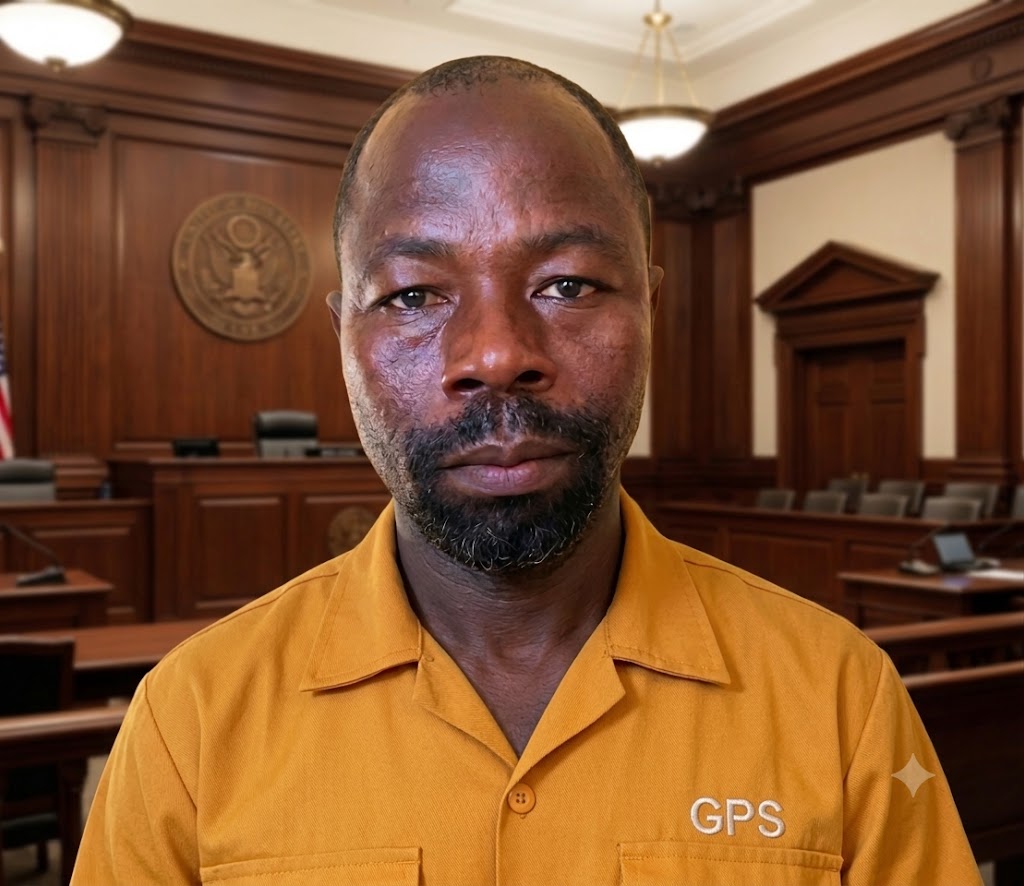
The 47-year-old convict received separate prison terms for sexually abusing his teenage daughter and threatening to kill her if she disclosed the abuse. The sentences will run concurrently.
The Lawra Circuit Court in Ghana’s Upper West Region has sentenced 47-year-old Kwame Ti-Zaaekuu to 20 years in prison with hard labor after convicting him of incest involving his 17-year-old biological daughter.
The judgment was delivered on July 24, 2026, by His Honor Stanley Adjei following a full criminal trial.
Ti-Zaaekuu was convicted on two separate charges. He received a 20-year prison sentence for incest and an additional 10-year term for threatening the teenager with death.
The court ordered the sentences to run concurrently, meaning he will serve an effective prison term of 20 years.
Police Investigation Uncovered Repeated Abuse
Investigations conducted by the Lawra District Police Command established that the convict had repeatedly sexually abused his daughter over an extended period.
The survivor, whose identity has been withheld because she is a minor and a victim of sexual abuse, was a Junior High School student when the offenses occurred.
Evidence presented during the trial showed that the abuse was not an isolated incident. The prosecution established a pattern in which Ti-Zaaekuu used his position as the victim’s father to exploit and control her.
Incest cases involving minors often remain hidden because survivors may depend on the offender for shelter, food, education and other necessities. Fear of family breakdown, stigma and retaliation can also prevent victims from reporting their experiences.
Teenager Threatened With Death
The court also found that Ti-Zaaekuu repeatedly threatened to kill his daughter if she told anyone about the abuse.
The threats were intended to silence the teenager and prevent relatives, teachers, law enforcement officials or social welfare officers from learning about what was happening.
Such intimidation can leave survivors feeling trapped, particularly when the alleged offender lives in the same household and exercises parental authority over them.
The prosecution successfully proved both the incest and death-threat charges, leading the court to impose separate penalties for the two offenses.
Court Orders Counseling and Psychosocial Care
Beyond the prison sentence, the Circuit Court directed the Lawra Department of Social Welfare to provide the survivor with professional counseling and sustained psychosocial support.
The intervention is intended to address the emotional and psychological consequences of the abuse while supporting the teenager’s long-term recovery.
Sexual abuse by a parent or close relative can cause lasting trauma, including anxiety, depression, fear, difficulties with trust and disruption to a survivor’s education and social development.
The court’s order recognizes that securing a conviction is only one part of the response. Continued professional care, a safe living environment and protection from stigma will also be essential to the teenager’s well-being.
The survivor’s privacy must be protected throughout the recovery process. Publishing identifying details about her, including her name, photograph, school, address or information that could reveal her identity, could expose her to additional harm.
Police Reaffirm Commitment to Protecting Vulnerable People
Following the judgment, the Ghana Police Service reiterated its commitment to investigating domestic abuse, sexual violence and other gender-based offenses.
Police authorities encouraged the public to report suspected cases, particularly when children or other vulnerable individuals may be at risk.
Relatives, teachers, health professionals, traditional leaders and community members can play an important role in identifying warning signs and alerting the appropriate authorities.
Reports involving children may be made to the police, the Domestic Violence and Victim Support Unit or the Department of Social Welfare. Early intervention can help stop continuing abuse and connect survivors with medical, legal and psychological assistance.
The conviction sends a strong message that abuse within a family is a serious criminal offense and that parental authority cannot be used to shield an offender from accountability.
While Ti-Zaaekuu begins his prison sentence, attention will now turn to ensuring that the teenage survivor receives the protection and long-term support ordered by the court.
Source: Omanghana