Omanghana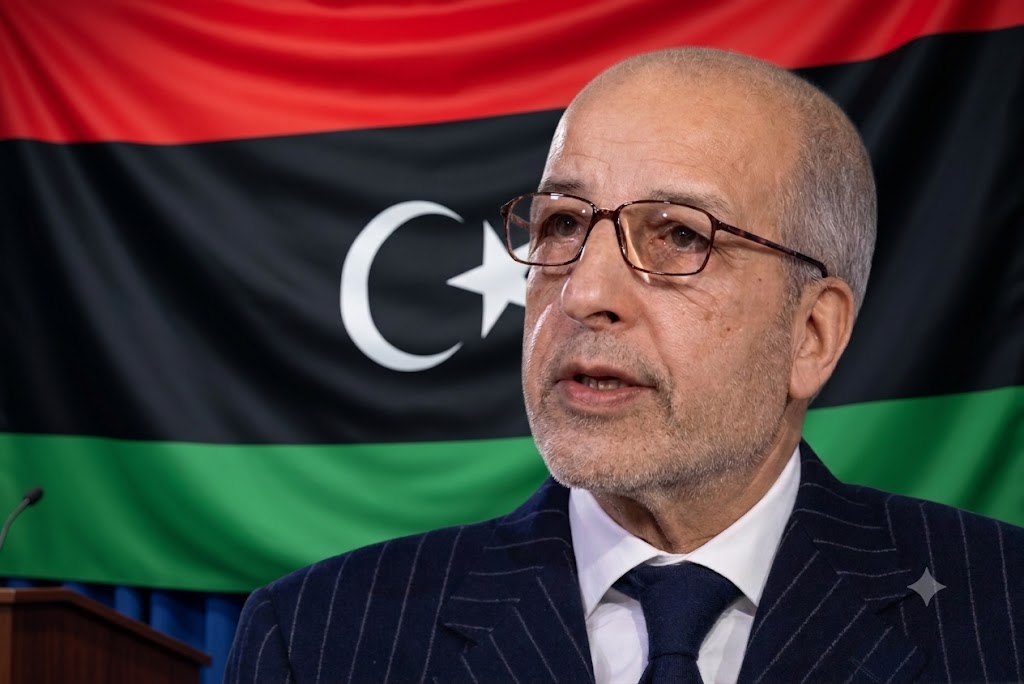
The Governor of the Central Bank of Libya, Naji Issa, has formally submitted his resignation to the country’s rival legislative chambers, citing unspecified “sensitive matters” without providing a detailed explanation.
Issa communicated his decision in letters dated August 9, with the resignation confirmed on Monday, August 10, 2026. The unexpected move has created fresh economic and political uncertainty in a country already divided between competing administrations.
News of the resignation triggered immediate pressure on Libya’s parallel foreign-exchange market. The value of the US dollar reportedly rose to 10 Libyan dinars, reaching that level for the first time in a considerable period.
Mohamed Takala, head of the western-based High Council of State, urged Issa to remain in office until the relevant legislative authorities could formally review his request. He warned that an abrupt departure could threaten financial and political stability.
The timing of the resignation surprised observers because it came only hours after the Central Bank announced plans to resume publishing monthly financial transparency reports in September.
Although Issa did not disclose the specific reasons for his decision, local financial experts said the Central Bank had been under intense pressure over the management of Libya’s public finances.
The institution has struggled to balance high government expenditure and costly fuel subsidies while protecting the country’s declining foreign-exchange reserves. At the same time, competing political authorities have continued to demand funding for a large national budget.
Libya’s divided government has further complicated monetary policy. The United Nations-recognized administration in Tripoli and the rival eastern authorities have repeatedly clashed over government spending, oil revenues and efforts to unify the country’s financial institutions.
Issa was appointed governor in September 2024 through a UN-backed compromise. His appointment helped end a major oil blockade that began after western factions removed his long-serving predecessor, Sadiq al-Kabir.
The dispute surrounding al-Kabir’s removal caused Libya’s oil production to fall by approximately half, intensifying concerns about the country’s main source of public revenue and foreign currency.
Issa’s possible departure could reopen tensions surrounding control of the Central Bank, one of Libya’s most important sovereign institutions. Lawmakers are now expected to consider his resignation while political leaders seek to prevent further instability in the currency and oil markets.
Source: Omanghana